-

The foreign-introduced yacon and Tianshan snow lotus differ by a single character in name, yet their status is worlds apart
With the development of the global economy, cultural and economic exchanges between countries have increased, and things never seen before have gradually entered people's lives. This is a good thing for people, as they can not only learn about the liv...
-
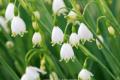
What is the flower language of the snowflake lotus? Detailed explanation of cultivation methods
Snowflake lotus flower language Snowflake lotus cultivation methods
-
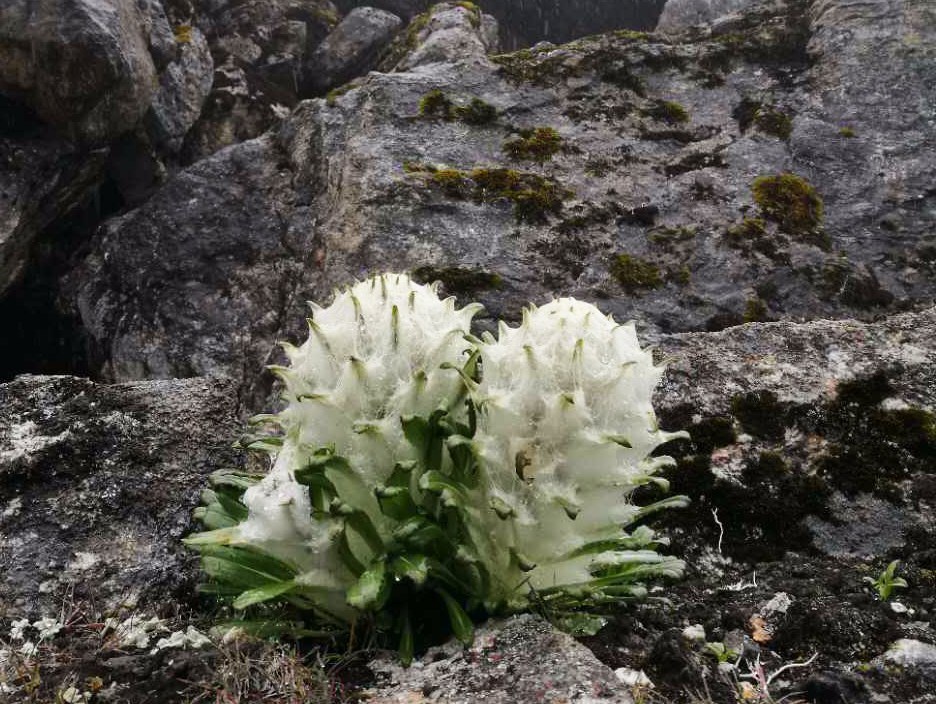
Often mistaken for Tianshan snow lotus, many people risk picking it only to find it worthless
A while ago, many people posted online about "taking a spontaneous trip," and many chose to travel and take adventures because of it. Some alpine regions became their destinations. There is naturally nothing wrong with traveling, but as our living conditions have risen, our civility has sunk to the dust. I do not know if you have ever heard of a medicinal herb called "Tianshan snow lotus." If you have not, let me educate you about it. Ordinary plants generally cannot grow among cliffs above 4,000 m in altitude. The extreme cold of minus several dozen degrees Celsius freezes many plants to death before they even sprout, but the snow lotus can stand proudly in the wind and snow amid oxygen deprivation and extreme cold. People all say the plum blossom has a proud spirit, but compared with the snow lotus, it is still far inferior.
-
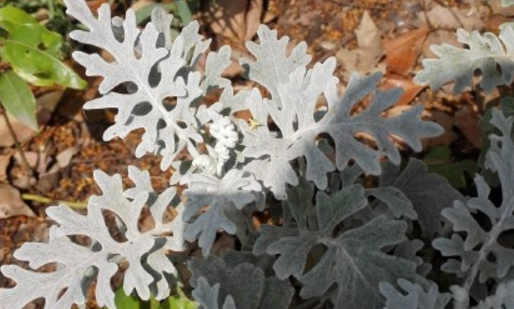
Can Dusty Miller (Snow Leaf Lotus) of the Asteraceae family be grown at home? A detailed guide to cultivation methods and uses
Snow Leaf Lotus is also called White Cloth Chrysanthemum, Fine-cut Silver Leaf Chrysanthemum, White Wonder Chrysanthemum, and Snow Leaf Chrysanthemum. So what are the cultivation methods for Snow Leaf Lotus? Can it be grown at home? What uses does it have? According to available information, Snow Leaf Lotus is a plant that is relatively intolerant of heat; under high-temperature conditions combined with high humidity, it easily dies.
-
The benefits and effects of Tianshan snow lotus and how to consume it correctly
How to consume Tianshan snow lotus, its benefits and effects
-
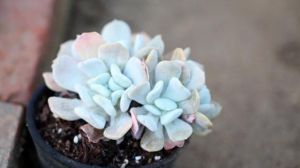
What is the difference between stone lotus and snow lotus? Here's how to tell them apart quickly
Leaf differences: The stone lotus has basal leaves in a rosette, with spoon-shaped oblong blades; the snow lotus has obovate leaves, broad and thick, with a rounded or slightly pointed tip. Flower differences: The stone lotus inflorescence is paniculate or nearly corymbose, with 5 red petals; the snow lotus inflorescence can reach 6 to 10 cm long, with 9 to 17 flowers on each inflorescence.
-
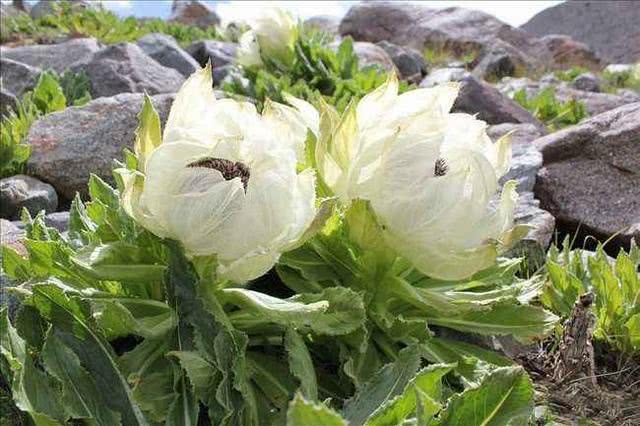
Snow lotus gets its name because it resembles a lotus flower, symbolizing pure white love, resilience and purity
Snow lotus (a plant of the genus Saussurea in the family Asteraceae) Snow lotus (scientific name: Saussurea involucrata (Kar. et Kir.) Sch.-Bip.), named snow lotus because its top resembles a lotus flower, abbreviated as snow lotus. It is a perennial herb, 1...
-

Detailed Explanation of Key Points of Artificial Cultivation Techniques for Snow Lotus
Key Points for Artificial Cultivation of Snow Lotus
-
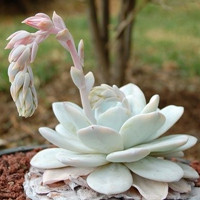
Introduction to the variety characteristics of the succulent plant Snow Lotus
The succulent plant Snow Lotus belongs to the Crassulaceae family. The overall plant shape is rather elegant, but the plant is not very tall, being medium in size. It can bloom.
-
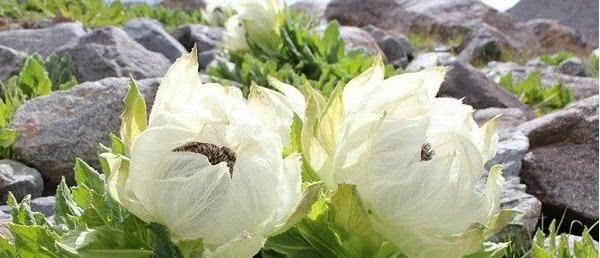
Tianshan Snow Lotus: As holy and beautiful as a fairy from heaven
Snow lotus flower, named snow lotus because its top resembles a lotus flower, abbreviated as snow lotus. It is a perennial herb, 15-35 cm tall. The rhizome is thick, with the neck covered by numerous brown remnants of leaves. The stem is stout and hairless. The leaves are dense; the basal leaves and stem leaves are sessile, with elliptical or ovate-elliptical blades; the uppermost leaves are bract-like, membranous, pale yellow, surrounding the inflorescence, with sharp teeth along the edges. There are 10-20 capitula, densely clustered at the top of the stem into a spherical compound inflorescence. The involucre is hemispherical, 1 cm in diameter; the involucral bracts are in 3-4 layers, with edges or entirely purplish-brown. The florets are purple. The achenes are oblong. The pappus is dirty white. Flowering and fruiting period is July-September.
条件筛选