-
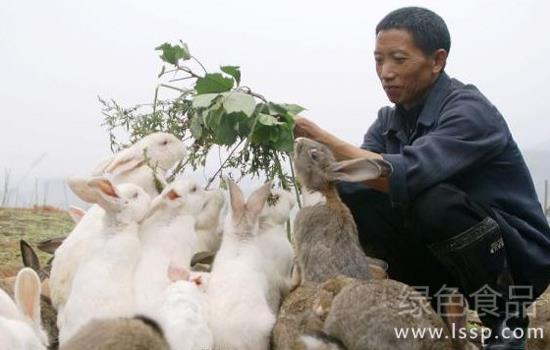
Using Herbs Instead of Drugs to Prevent Disease in Rabbits: Nutritious and Free of Side Effects
Nutritious and Free of Side Effects: Using Herbs Instead of Drugs to Prevent Disease in Rabbits
-

How to plant goji berry upside down? Methods and key techniques
Select a goji berry (Lycium barbarum) that is more than two years old, and air-layer three or four of the top branches at suitable points to induce rooting. Once roots have formed, cut off the upper section of those branches, cut away all branches that were not air-layered, then dig out the plant and wash off the soil, and immediately plant it upside down. Trim the fine hair roots, bind and shape the large roots appropriately, cover the roots with a plastic film bag to preserve root moisture, and remove the bag once buds sprout. In late autumn, remove the palm fiber bindings, and a beautiful goji berry bonsai is complete. In the following years, gradually raise the roots year by year, forming chicken claws below and dragon claws above, with green leaves and red fruit, simple and elegant
-
Detailed Explanation of the Double-Sided Fruiting Method for Oyster Mushroom Beds
Using the double-sided fruiting method for oyster mushroom beds (Pleurotus ostreatus) makes effective use of the mushroom house space and increases the yield per unit area of the beds. The key technical points are as follows: 1. Bed equipment. Build a frame inside the mushroom house with moso bamboo or standing timber, generally 2 m high, with 3 tiers of beds, each tier spaced 60-65 cm apart, and the length depending on the actual conditions of the mushroom house. There are two widths: 55 cm for single-side management and 110 cm for double-side management. The bottom board of each bed tier is made by nailing thin wooden slats, with each slat spaced (gap) 1.5-2 cm apart. 2. Spreading substrate and inoculation
-
Detailed Explanation of the Technique for Fruiting on Both the Front and Back Sides of Oyster Mushroom Beds
Using indoor frame-style cultivation of oyster mushrooms, fruiting simultaneously on both the front and back sides of the mushroom bed can, without increasing the substrate per unit area and without changing the substrate formula or the spawn sowing rate, produce an average of 16 kg of mushrooms per square meter of mushroom bed, and bring fruiting about 7 days earlier. 1. Setting up the mushroom bed frame structure: Build a frame indoors using materials such as moso bamboo, and fix the mushroom bed baseboard onto the frame. Generally the frame is 2 m high, with three tiers of mushroom beds, and the distance between tiers is 60-65 cm; beds managed from both sides are 110 cm wide, and beds managed from one side are 55 cm wide; the bed baseboard is made by nailing thin wooden boards, with 1.5-2 cm between each wooden strip. 2. Sowing: Select the Florida strain, which has a relatively broad suitable temperature range. Use the "layer sowing method": first lay a layer of plastic film on the mushroom bed baseboard, with a width 2.5 times the width of the bed baseboard, then spread a layer of substrate about 3 cm thick on the plastic film, then spread a layer of spawn, with the spawn layer no more than 1 cm thick; after spreading 4 layers of substrate and 3 layers of spawn in this way, press firmly, then cover the surface of the culture medium with a layer of water-soaked wet newspaper, and finally wrap the entire culture medium tightly with plastic film. 3. Fruiting management: About 60 days after inoculation, when the mycelium has basically finished colonizing the substrate, use a blade to make intermittent longitudinal cuts in the plastic film at the gaps on the back side of the mushroom bed baseboard. Each cut segment should be no longer than 15 cm, and both the horizontal and vertical spacing between cuts should be greater than 15 cm. Thereafter, each time the mushroom bed is watered, use a sprayer to spray an appropriate amount of water onto the cuts on the back side of the bed; other management is the same as conventional. After the first flush of mushrooms on the back side of the bed is harvested, the uncut plastic film on the back side of the bed can be slit open again with a knife. During the entire cultivation process, 2-3 flushes of oyster mushrooms can be harvested from the back side of the bed, with yield close to that of the front side of the bed.
-
Pan-fried Grass Carp Belly Recipe, Crispy Outside and Tender Inside, Simple and Easy to Learn
Ingredients: 500 g fresh grass carp belly, 20 g shallots, 20 g sliced garlic, 20 g sliced ginger, 10 g shredded dried tangerine peel. Marinade: 5 g salt, 10 g ginger juice, 20 g cornstarch. Seasonings: light soy sauce, light broth, Huadiao wine, sugar and oil as needed. Method: 1. Wash the fish belly, cut it into rectangular pieces, add the marinade and marinate for 10 minutes; 2. Pan-fry the fish belly until golden brown on both sides; 3. Add the shallots, sliced garlic, sliced ginger and shredded dried tangerine peel and stir-fry until fragrant, add the seasonings and stir gently until well combined.
-
Several Considerations for Fine Management of Nursery Pigs
In today's large-scale farms, most use excellent breeds and lines with high production performance, and sows have relatively high litter sizes and survival rates. So what is the key stage that determines whether farming succeeds? Practice shows it is the nursery stage of piglets. The nursery stage is a transfer station, generally starting 7-10 days after weaning and ending at a body weight of 30 kg. This is the key stage affecting the profitability of the entire farm. This stage is a turning point in the pig's physiology and individual changes, a process of gradual growth from small to large. This stage both
-
How to make crispy fried pipa shrimp, crispy outside and tender inside
Cuisine: Anhui cuisine Ingredients/Seasonings: 125 g shrimp meat, 20 fengwei shrimp, 75 g chicken breast, 35 g pork fat, 50 g cooked shredded bamboo shoots, 5 g shredded shiitake mushrooms, 50 g sesame seeds, 3 egg whites, 2 tsp each of flour and Shaoxing wine, appropriate amounts of cornstarch and sesame oil. Preparation process: 1. Mince the shrimp meat, pork fat, and chicken breast into a paste, add 1 egg white, an appropriate amount of cornstarch, salt, MSG, pepper, and Shaoxing wine, stir well, pour in the shredded bamboo shoots and shredded shiitake mushrooms, and mix well to make the shrimp filling. Take 20 spoons
-
Deworming Dogs: Treat Both Inside and Out
"A woman's beauty must come from the inside out!" Most people have probably heard advertising slogans like this, but hearing that deworming your dog must be done from the inside out is probably a first for you. Anyone who keeps a dog knows that dogs need annual infectious disease vaccinations and deworming, and the order must never be reversed. Compared with getting infectious disease vaccinations, deworming is not so simple. Deworming effectively kills parasitic eggs such as roundworms, hookworms, and pinworms inside a dog's body. In the minds of some dog owners, deworming their dogs
-
How to Make Crispy Sweet Potato Cakes, Crispy Outside, Soft Inside, Sweet and Delicious
Ingredients: 500 g sweet potatoes, 250 g cake flour, 10 g baking powder, 20 g sugar, 250 g water, 20 g lard (or salad oil). Method: (1) Wash and peel the sweet potatoes, cut into thin slices and set aside. (2) Put the flour in a basin, add the sugar and baking powder, and mix into a batter, then add the lard and mix into a thick batter. (3) Using chopsticks, pick up a sweet potato slice, dip it into the batter, and fry it in a warm oil wok until cooked and golden brown. Characteristics: crispy outside, tender inside, sweet and pleasant.
-
What are the considerations for building a snake enclosure?
A good snake farm should have a spacious activity area set aside, that is, an exercise yard for the snakes. However, climbing vines such as Boston ivy cannot be planted in the exercise yard.
条件筛选