Using Herbs Instead of Drugs to Prevent Disease in Rabbits: Nutritious and Free of Side Effects
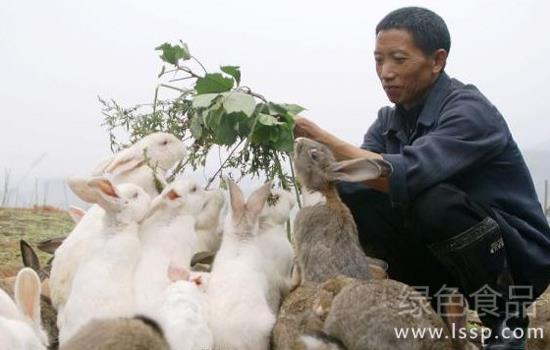
Rabbit Farming
Rabbits are herbivores, and many of the green grasses they eat are actually Chinese medicinal herbs. They are both nutritious and able to prevent and treat disease, and long-term use does not produce drug resistance and has no side effects. Specifically, they can be chosen and used on the spot according to the season and the health status of the rabbit herd.
DandelionAlso known as Huanghua Didling and Popodding, it has the effects of clearing heat and detoxifying, reducing swelling, promoting bile flow, and antibacterial and anti-inflammatory action. It can prevent and treat enteritis, diarrhea, pneumonia, and mastitis in domestic rabbits.
KnotgrassAlso known as Bianya and Zhupingcai, it has antibacterial, antidiarrheal, and deworming effects. It has obvious killing or inhibiting effects on Staphylococcus aureus, Shigella dysenteriae, Escherichia coli, and coccidia.
Viola mandshuricaAlso known as Didingcao and Laoshubudai, it has the effects of clearing heat and detoxifying, drawing out toxins, reducing swelling, and antibacterial and anti-inflammatory action. It treats influenza, laryngitis, pneumonia, mastitis, enteritis, diarrhea, and other conditions in domestic rabbits.
Japanese hopAlso known as Lalayang and Gelaman, it has the effects of clearing heat and detoxifying, promoting urination, stopping diarrhea, strengthening the stomach, and inhibiting bacteria. It treats Escherichia coli and Clostridium welchii enteritis and intestinal infections in domestic rabbits.
PlantainAlso known as Chechezi and Cheluncai, it has the effects of promoting urination, stopping diarrhea, improving eyesight, and resolving phlegm, and is used to prevent and treat respiratory, intestinal, and coccidiosis infections.
PurslaneAlso known as Longevity Vegetable, it has the effects of clearing heat and detoxifying, dispersing blood and reducing swelling, stopping dysentery and bleeding, deworming, and relieving malnutrition. Purslane is a green feed that domestic rabbits like to eat, and feeding it to rabbits during the plum rain season can prevent diarrhea and coccidiosis in domestic rabbits.
MugwortAlso known as Ye'aizi and Aiye Cao, it has the effects of stopping bleeding, preventing miscarriage, dispelling cold, and removing dampness. It prevents and treats bloody stool, blood in urine, restless fetal movement, and eczema in domestic rabbits.
Artemisia annuaAlso known as Xianghao and Haozi, it has the effects of clearing heat and detoxifying, aromatically strengthening the stomach, clearing the liver and improving eyesight, promoting bowel movements and bile flow, stopping bleeding and dysentery, resolving phlegm, and reducing malaria. It treats influenza, pneumonia, dysentery, malaria, and other conditions in domestic rabbits.
Artemisia capillarisAlso known as Mian Yinchen, it has the effects of inducing sweating and promoting urination, promoting bile flow, and reducing jaundice. It treats hepatic coccidiosis, difficult bowel movements, and dark, scanty, and painful urination in domestic rabbits. Artemisia capillaris is a high-quality green feed for domestic rabbits. Feeding it to rabbits in spring can make young rabbits grow quickly, have glossy fur, and be in good body condition.
Wild chrysanthemumAlso known as Wild Yellow Chrysanthemum, it has the effects of dispelling wind, reducing internal heat, and detoxifying. It treats diseases caused by Staphylococcus aureus, Streptococcus, and Pasteurella.
HoneysuckleAlso known as Rendixhua and Shuanghua (cultivated), it has the effect of clearing heat and detoxifying. It mainly treats influenza, pneumonia, respiratory and digestive tract diseases, and other febrile diseases in domestic rabbits.
Isatis leaf、Isatis root(cultivated) It has the effects of clearing pestilential heat and detoxifying, and antibacterial and anti-inflammatory action. It mainly treats pharyngitis, tracheitis, pneumonia, enteritis, and other conditions in domestic rabbits.
Garlic(cultivated) It has the functions of sterilizing, strengthening the stomach, stopping dysentery cough, and deworming, and can treat enteritis, diarrhea, indigestion, influenza, pneumonia, coccidiosis, and many other diseases in domestic rabbits.
In addition to the above, there are also Shechuangzi, Difuzi, motherwort, Chinese pulsatilla, Patrinia scabiosaefolia, Houttuynia cordata, ironweed, cactus, pagoda tree flower, perilla, Chinese chives, ginger, scallion, watermelon rind, orange peel, and others. The above Chinese medicinal herbs are widely distributed and rich in resources, readily available in rural areas, and have the characteristics of being simple, easy to learn, and effective, making them very suitable for household rabbit farming in rural areas.