-

Is the Siberian apricot an evergreen or a deciduous tree?
The Siberian apricot, also known as apricot, wild apricot, Siberian apricot, and Xibor-Guilese, can be used as a sand-dune shelterbelt and landscaping tree species. So is it an evergreen or a deciduous tree? How much does a sapling cost per tree? 1. Is the Siberian apricot an evergreen or a deciduous tree? The Siberian apricot is a deciduous shrub
-
Symptom Identification and Control Methods for Black Spot Disease in Siberian Solomon's Seal
Siberian Solomon's seal (scientific name: Polygonatum sibiricum), also known as: chicken-head Solomon's seal, yellow chicken vegetable, brush-tube vegetable, claw ginseng, tiger ginger, chicken-claw ginseng. It is a plant of the genus Polygonatum, with horizontal rhizomes, cylindrical, with enlarged nodes. Leaves are whorled, sessile. A medicinal plant, it has the effect of tonifying the spleen,
-
How much does a Husky cost, and what is the difference between a Husky and an Alaskan Malamute?
The Siberian Husky (Husky) originally comes from Russia. When it comes to Huskies, most people's first impression is probably its silly "derpy Husky" meme faces. For this clever, quick-witted, slightly neurotic dog, dog lovers in real life are especially fond of keeping one. But
-
Is the Siberian tiger the largest carnivorous felid by body weight currently existing in the world?
Siberian tiger: also known as the Amur tiger, it is one of the subspecies of tiger. It is the largest carnivorous felid by body weight currently existing in the world, among which males can reach a body length of about 2.8 m, with a tail about 1 m long, and a maximum body weight of more than 350 kg. In the wild, the Siberian tiger's coat color in summer
-
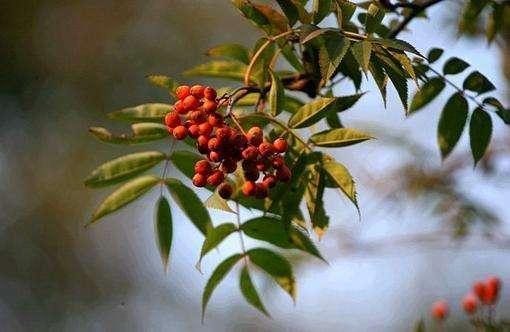
Application Value and Cultivation Techniques of Siberian Rowan
Application Value and Cultivation of Siberian Rowan 1 Fruit Nutritional Composition The fruit of Siberian rowan contains 25.9%-29.8% dry matter, 15%-18% sugar, 2.5%-4.3% acid, 27%-35% sorbitol, 43-67mg/g caroten...
-

-
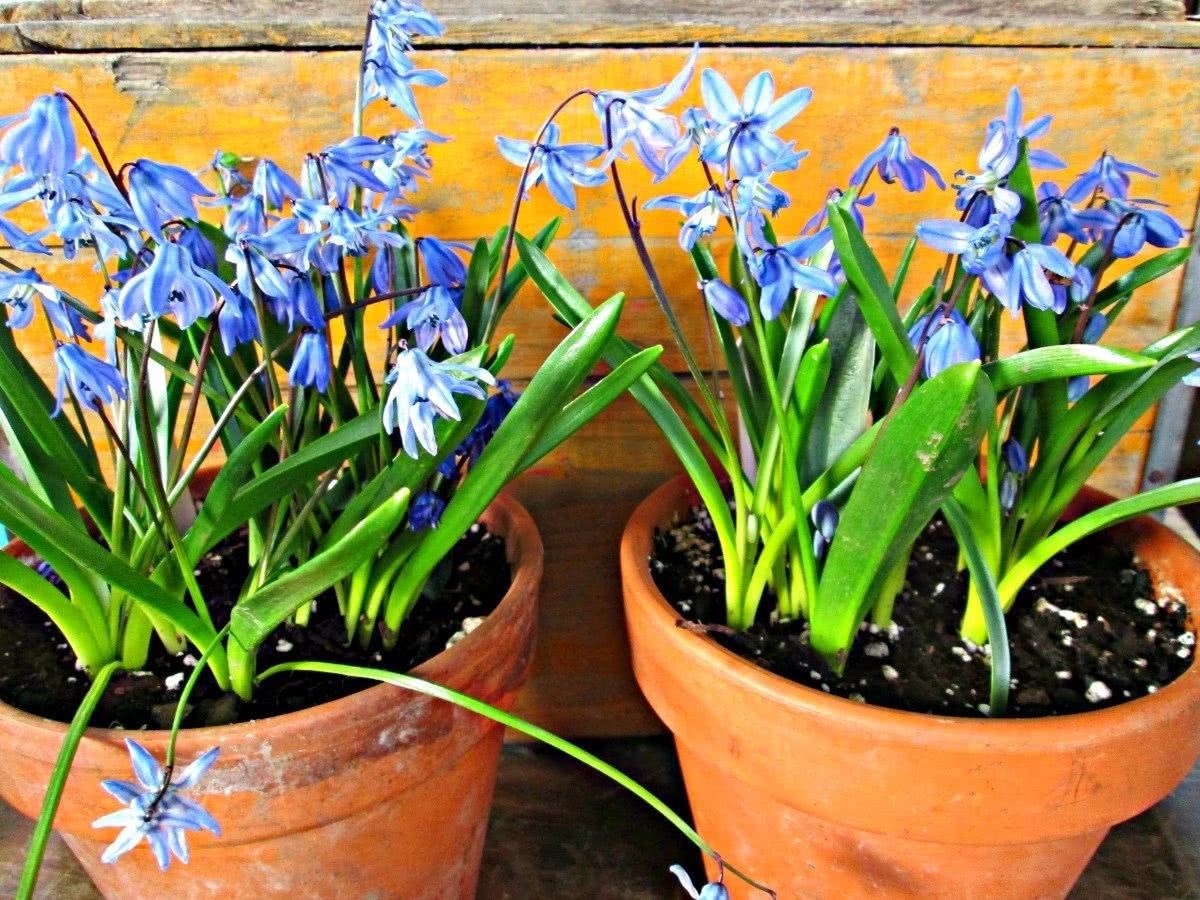
Siberian squill is extremely cold-hardy; even at minus 20 degrees in winter, it will not freeze to death.
If friends in the north want to plant a large patch of small blue flowers in their yard, then the bulbous flower introduced below is very suitable. It is the Siberian squill, also called Siberian scilla, and it is an extremely cold-hardy bulb...
-

-
Identification and Control Methods of the Siberian Wheat Bug
Scientific name Aelia sibirica Reuter, Hemiptera, Pentatomidae. Distribution from Heilongjiang, Inner Mongolia, and ** in the north, south to Shanxi, Shaanxi, Gansu, and Qinghai. Hosts include wheat, rice, and other grasses. Damage characteristics: adults and nymphs pierce and suck the sap of host leaves. Affected wheat seedlings develop dead hearts or white spots on the leaf surface, later twisting into a braid-like shape, with white heads and shriveled grains appearing. Morphological characteristics: adult body length 9-11 mm, yellow-brown, with black and white longitudinal stripes, head tilted downward, front end pointed and split. Scutellum
-
Siberian apricot
1. Aliases: mountain apricot, sweet plum. 2. Growth habits: cold-tolerant, drought-tolerant, highly adaptable, not demanding about soil or climate, can be cultivated in mountain areas and flat land alike, but sunny, well-drained plots are best, and it dislikes waterlogging. 3. Cultivation and propagation: can be propagated by seed or grafting. For seed propagation, sow in autumn; for grafting, young trees of plum, apricot or peach can be used as rootstock, bud grafting in August, and after 1-2 years of growing they can be transplanted. 4. Cultivation management: Siberian apricot
条件筛选