-

How to Water a Phalaenopsis Orchid: Care Methods and Precautions for the Jiangsu-Zhejiang-Shanghai Region
When growing Phalaenopsis orchids in the Jiangsu-Zhejiang-Shanghai region, only by precisely managing key factors such as temperature, light, watering, and potting medium can you ensure healthy plant growth and abundant blooms. 1. Temperature: The suitable temperature range for Phalaenopsis growth is 15 to 28°C. The Jiangsu-Zhejiang-Shanghai region has four distinct seasons, and both the low temperatures of winter and the high temperatures of summer pose
-
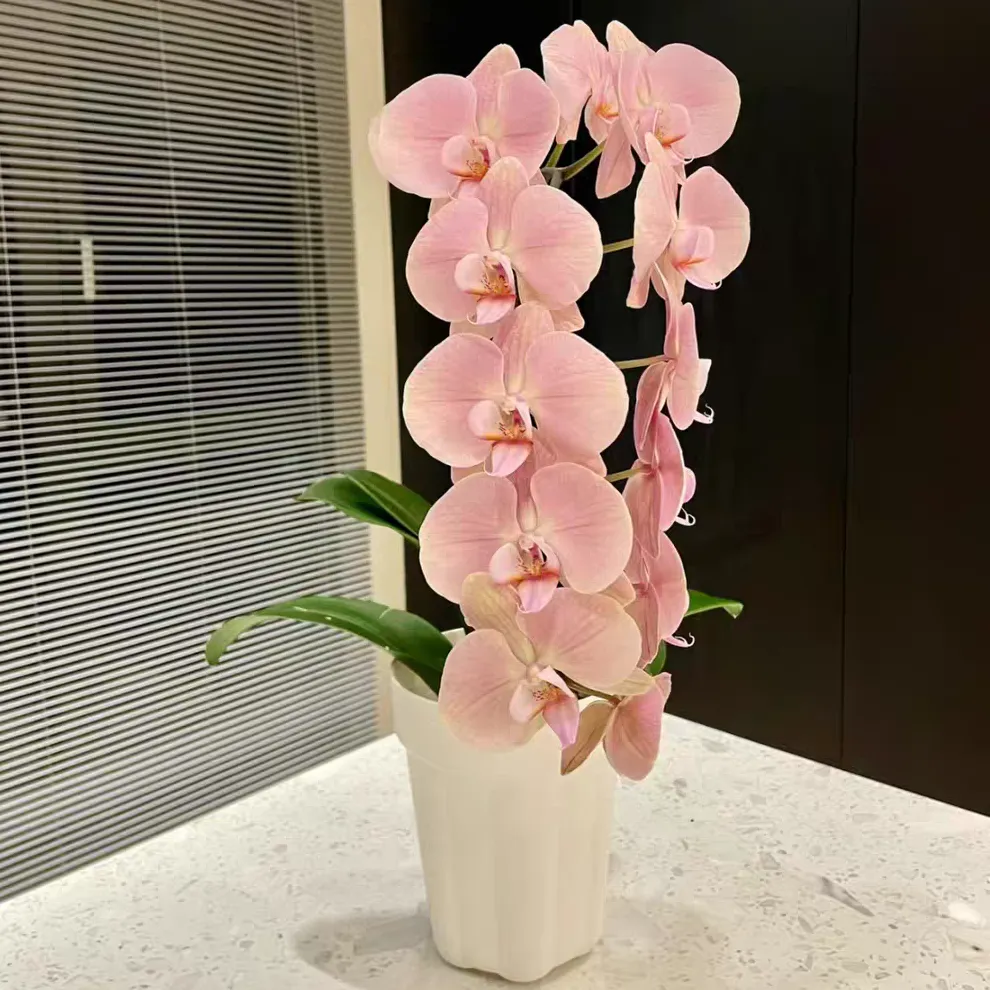
Cultivation and Maintenance of Phalaenopsis in the Jiangsu, Zhejiang and Shanghai Region
When cultivating Phalaenopsis in the Jiangsu, Zhejiang, and Shanghai region, it is necessary to precisely control key elements such as temperature, light,
-

How to care for native Phalaenopsis orchids in winter? Growing tips for the Jiangsu-Zhejiang-Shanghai region
In the Jiangsu-Zhejiang-Shanghai region, the winter climate poses certain challenges for the care of Phalaenopsis orchids. However, as long as you master the right methods, you can still keep them growing healthily through the cold season. First, knowing which native Phalaenopsis varieties suit the Jiangsu-Zhejiang-Shanghai region is key. Some varieties that are relatively well adapted to the local climate
-
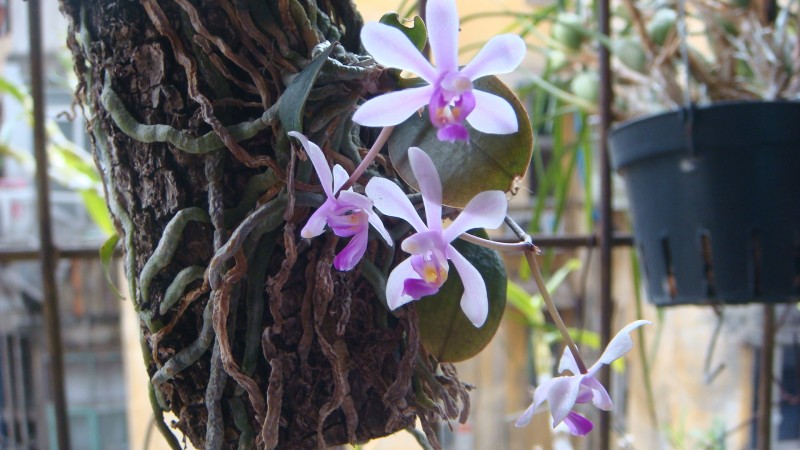
How to grow Phalaenopsis orchids in winter in Jiangsu, Zhejiang and Shanghai?
In the Jiangsu-Zhejiang-Shanghai region, the climatic conditions in winter pose certain challenges for the maintenance of Phalaenopsis orchids. However, as
-
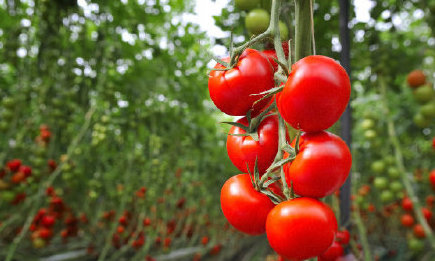
Shanghai Rushes to Plant 80,000 Mu of Leafy Green Vegetables to Solve Local Vegetable Supply Difficulties
Nongxun Network reports that at the Shanghai municipal COVID-19 prevention and control work press conference held this morning (the 17th), Lu Zhengrong, deputy director of the Shanghai Municipal Agriculture and Rural Affairs Commission, explained the measures for increasing the local vegetable supply. First is to strengthen the rush planting of vegetables. Shanghai's municipal and district levels have introduced some supportive policies, encouraging
-

What flowers are suitable for growing in Shanghai? Latest flower recommendations
I. Climate characteristics of Shanghai Shanghai has a subtropical monsoon climate, with four distinct seasons, good light conditions, and abundant rainfall. Compared with other regions, Shanghai's climate is mild and humid, with relatively short spring and autumn seasons and relatively long winter and summer seasons. However, in winter there are
-
A Detailed Guide to the Latest Planting Methods for Shanghai Bok Choy
Shanghai bok choy is a type of baby bok choy. It can provide the human body with vitamins and the minerals the body needs. Regular consumption is greatly beneficial to the blood vessels, skin and eyes, and it can also have a good inhibitory effect on ulcers. Now on the market
-
How to Grow Shanghai Bok Choy? A Detailed Guide to the Latest Planting Precautions
Shanghai bok choy, also known as Shanghai cabbage, Suzhou bok choy, or qingjiang cai, is a variety of baby bok choy grown in East China. It has few leaves and many stalks, and its stalks resemble a gourd ladle, which is why it is also called piao'er bai. It is highly nutritious, providing the minerals and vitamins the human body needs, and can help
-
Recommended Great Places for Bayberry Picking Around Shanghai
Bayberry is favored by women because it is rich in vitamins, amino acids, fruit acids and other elements. It can prevent excess sugar in the body from turning into fat, helps the body excrete harmful substances, can nourish and beautify the skin, and also helps with weight loss and slimming. It is currently selling well.
-
Is there a difference between Shanghai bok choy and baby bok choy? Seed planting time and methods
Shanghai bok choy is also called Shanghai cabbage, Suzhou bok choy, qingjiang cai, qingjiang cai, xiaotang cai, green-stemmed bok choy, qingjiang cabbage, rapeseed, spoon cabbage. But do you know how it differs from baby bok choy? How do you plant its seeds? When do you plant them? According to Brassicaceae data
条件筛选