-
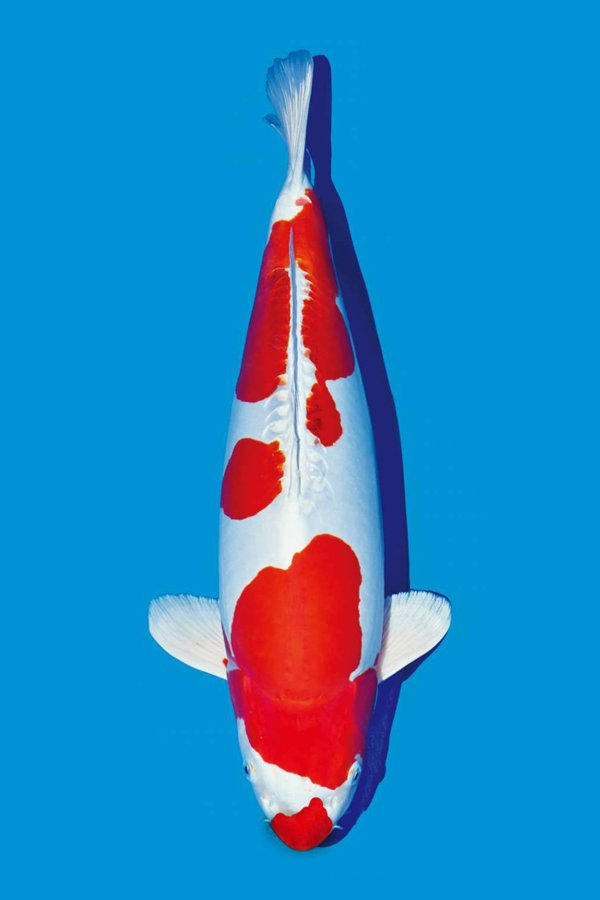
How to select Lipstick Kohaku koi fry
Introduction to Lipstick Kohaku koi. The Lipstick Kohaku koi is very easy to identify. If you see small, round red spots on the mouth of a Kohaku, then it is the star of this article, the Lipstick Kohaku koi. Appreciation of Lipstick Kohaku koi. One: position of the markings. Koi...
-
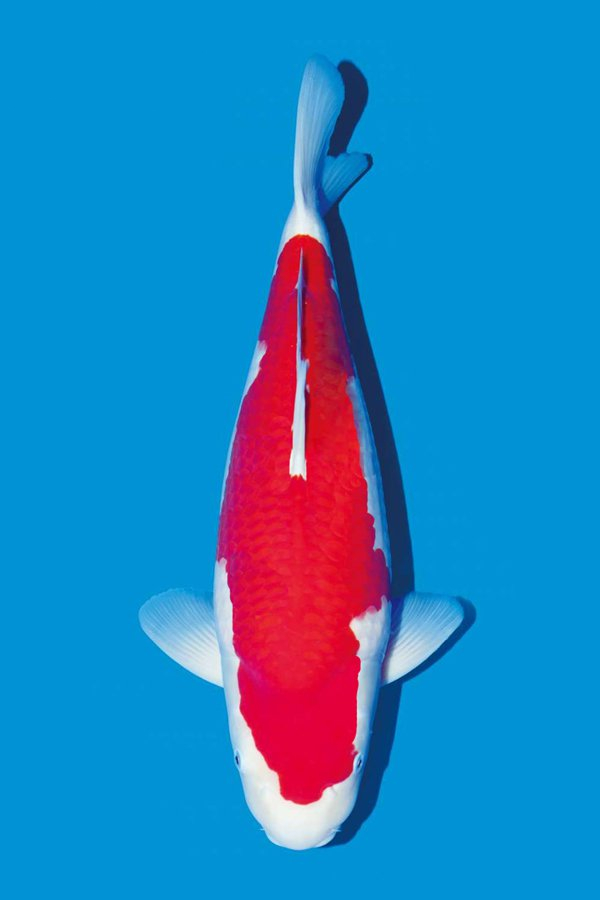
What are the selection criteria for a one-stripe red Kohaku?
Introducing the one-stripe red Kohaku. A one-stripe red Kohaku, also known as one-stripe Kohaku, refers to a Kohaku on whose body a single graceful band of red markings runs from the head to the caudal peduncle, and the red stripe is required to be continuous without interruption. Compared with multi-stripe Kohaku (strictly speaking...
-
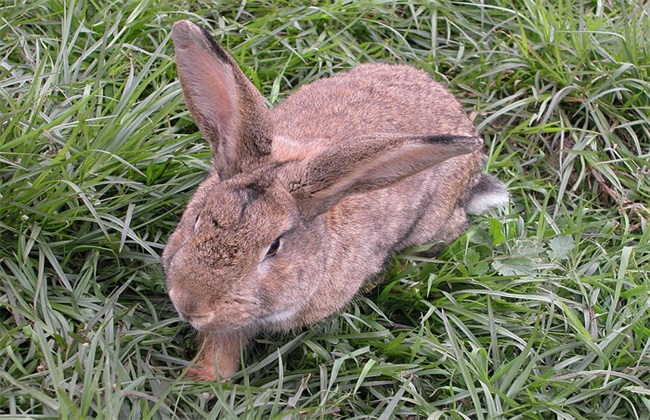
Which rabbits are profitable to raise? Rabbit breed selection and benefit analysis
Which rabbits are profitable to raise
-
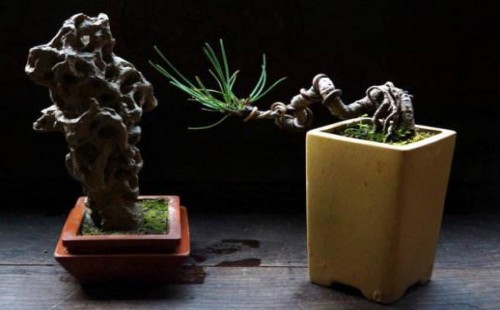
What Kind of Wire Is Best for Bonsai Shaping? A Full Breakdown of Material Selection Key Points
There are quite a few shaping techniques for bonsai trees, and different shaping techniques often need to be carried out with different tools or materials. Among them, the most commonly used is wire, but considering that ordinary wire wrapped around bark will oxidize, corrode and so on over time
-
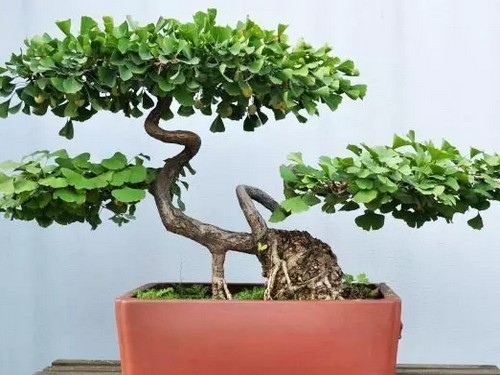
A Detailed Guide to Material Selection and Cultivation Methods for Ginkgo Bonsai
Ginkgo is a tree species with a remarkably long history of survival. Since ancient times in China, it has been regarded as an excellent material for bonsai. Ginkgo bonsai types can be divided into three kinds: foliage-appreciation, fruit-appreciation, and trunk-appreciation. To make ginkgo bonsai, one should select root-sucker seedlings from beneath large ginkgo trees and stalactite branches of ginkgo trees.
-

Edible Mushroom Cultivation Techniques and Selection of Water-Saving Irrigation Techniques for Flower Production
Selection of Water-Saving Irrigation Techniques in Flower Production
-
Edible Fungus Disease Prevention and Control Methods and Fertilizer Selection for Clivia
What Fertilizer to Use for Clivia
-
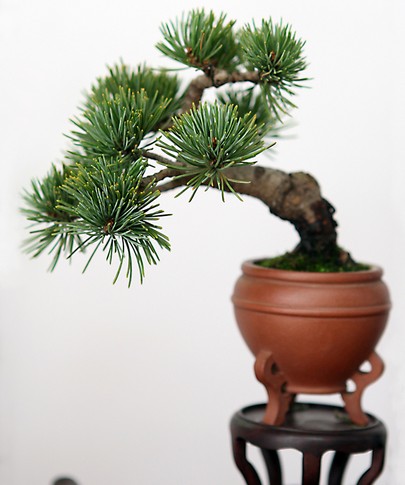
Material selection methods and techniques for making miniature bonsai
Miniature and small bonsai belong to the small-size category among bonsai artworks, with miniature bonsai being the smallest, generally under 10 cm, known as palm-top bonsai; small bonsai are 11 cm to 40 cm (Note: in this book, the first dimension given for a work is height, and the second is width). Precisely because they are known for being tiny, viewing the large within the small, and being small and exquisite
-
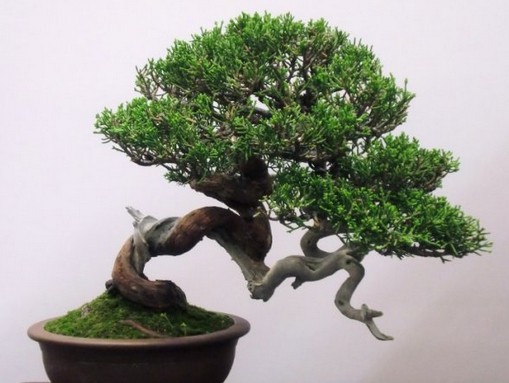
A Detailed Guide to Tree Species Selection and Styling Techniques of Suzhou-Style Bonsai
Suzhou-style bonsai is one of the five major schools of Chinese bonsai and consists of two parts: tree stump bonsai and water-and-stone bonsai. The most common varieties for tree stump bonsai include pines and cypresses, Chinese sweet plum (Sageretia thea), elm, boxwood, trident maple, Chinese fringeflower (Loropetalum chinense), crape myrtle, pomegranate, ginkgo, and others.
-
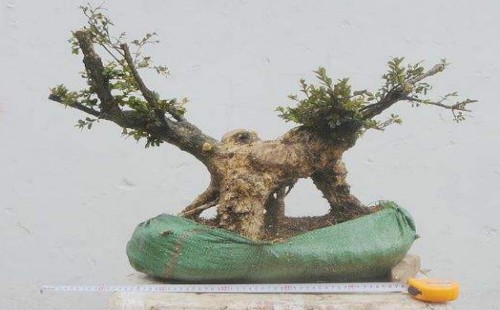
Methods and Techniques for Selecting and Removing Branches and Trunks in Boxwood Bonsai
Boxwood is a bonsai tree with strong sprouting ability and tolerance for pruning. As a bonsai, it requires regular pruning, especially the selection and removal of branches and trunks. As for which branches should be kept, which should be cut off, and to what extent certain branches should be pruned, we should have a clear and definite plan in mind
条件筛选