-
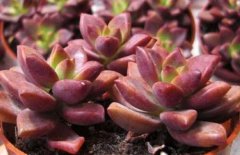
How to Grow Graptosedum 'Bronze' So It Explodes with Pups and Branches? Practical Care Tips Shared
Graptosedum 'Bronze' is a succulent, and for new friends who want to grow succulents, this succulent is the first choice, because this succulent's reproductive capacity and growth capacity are both relatively high, its requirements for growing environment conditions are not very high either, and this plant can also resist cold and endure
-
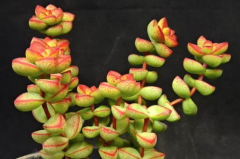
Is it difficult to grow Hemisphaeric Sedum pachyphyllum? Solutions for wrinkled leaves
Do you like the Hemisphaeric Sedum pachyphyllum succulent? If you are a beginner wanting to grow succulents, this variety of succulent is your best choice. The Hemisphaeric Sedum pachyphyllum is both attractive and easy to keep alive. Let's take a look below at how to grow the Hemisphaeric Sedum pachyphyllum and how to rescue a Hemisphaeric
-
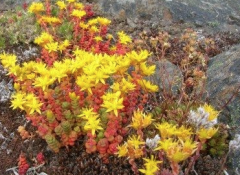
How to Plant Sedum and Recommended Popular Varieties
Compared with other Sedum plants, few plants are more tolerant of sun and poor soil. In fact, growing sedum is easy, so easy that even the most novice gardener can excel at it. There is a large selection of Sedum varieties to choose from, and you will find one that suits your
-
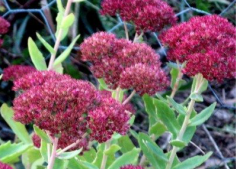
Are Sedum Plants Drought-Tolerant? How to Grow Sedum Plants and How to Propagate Sedum Plants
Sedum plants are a succulent group in the genus Sedum (Sedum spp.) and are very well suited to dry areas of the garden. Growing stonecrop is one of the easier plant projects with easier maintenance and low cultivation requirements. They belong to the genus Crassula, which contains many of our most
-

What is the difference between Sedum sarmentosum and Sedum lineare?
Sedum sarmentosum is a perennial succulent herb, with a flowering period from June to July. It grows on sloping hillsides or on rocks. Today I will introduce the difference between Sedum sarmentosum and Sedum lineare. 1. Different flowering periods Although Sedum sarmentosum and Sedum lineare are very similar in appearance, the two are very
-
Can Stringy Stonecrop Be Eaten Raw? A Complete Guide to the Precautions
Stringy Stonecrop is a perennial herbaceous succulent plant of the genus Sedum in the Crassulaceae family. It is widely distributed in the central and southern regions of China, and abroad it is mainly found in countries such as North Korea and South Korea. In traditional Chinese medicine in China, Stringy Stonecrop also has the effects of clearing heat and promoting diuresis, and detoxifying and reducing swelling. So
-
How to Propagate Sedum rubrotinctum (Jelly Bean Plant)? A Detailed Guide to Common Propagation Methods
Sedum rubrotinctum is a fairly common succulent plant, and many succulent enthusiasts like to keep a pot of it, so how do you propagate Sedum rubrotinctum? 1. How to propagate Sedum rubrotinctum? Usually the cutting method is used, and both stem cuttings and leaf cuttings work. For stem cuttings, you can use
-
What are the propagation methods for Sedum dasyphyllum 'Major'?
Sedum dasyphyllum 'Major' is a succulent plant that is very easy to grow. During its dormancy period, it slowly turns from blue-green to pink, and its flowers are white with five to six petals, with a slightly pink center in the bud. So how do you propagate Sedum dasyphyllum 'Major'? 1. Sowing Sedum dasyphyllum 'Major' is generally sown from February to May each year
-
How to propagate Sedum dasyphyllum 'Minor'? A few simple and practical methods
Sedum dasyphyllum 'Minor' is a succulent plant and also a relatively popular ornamental flower, so how do you propagate Sedum dasyphyllum 'Minor'? 1. Growth habits of Sedum dasyphyllum 'Minor'. Sedum dasyphyllum 'Minor' is a small succulent or fleshy plant of the Crassulaceae family, Sedum genus.
-
Cultivation Techniques for Sedum kamtschaticum and Common Disease Control Methods
Abstract Site selection and land preparation: Sedum kamtschaticum is suited to sandy soil with good drainage, and before planting, fertilization work needs to be done well. Planting: the best time for sowing is between February and April; once the seedlings emerge, they can be transplanted, and when transplanting, attention should be paid to density and spacing, generally around 25cm specifications
条件筛选