Is it difficult to grow Hemisphaeric Sedum pachyphyllum? Solutions for wrinkled leaves
Do you like the Hemisphaeric Sedum pachyphyllum succulent? If you are a beginner wanting to grow succulents, this variety of succulent is your best choice. The Hemisphaeric Sedum pachyphyllum is both attractive and easy to keep alive. Let's take a look below at how to grow the Hemisphaeric Sedum pachyphyllum and how to rescue one with wrinkled leaves.
The growth of the Hemisphaeric Sedum pachyphyllum needs plenty of sunlight. It has a growth habit of tolerating partial shade and fearing waterlogging, and it goes dormant during the high temperatures of summer. If light is insufficient during the growing period, the plant will become leggy, with loose spacing between the leaves; if the sunlight is too strong, its form will become short and sturdy.
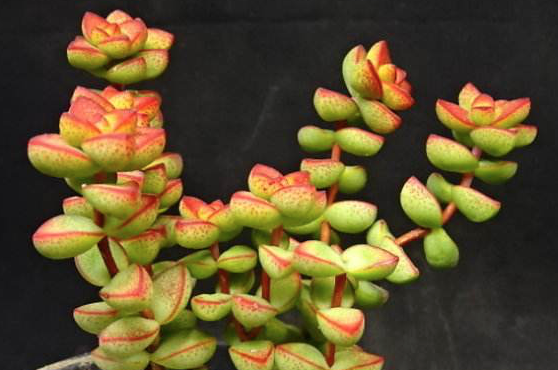
For the Hemisphaeric Sedum pachyphyllum, keep the soil moist during the growing period, but do not let water accumulate. Use a soil mix of coal cinders blended with peat and a small amount of perlite. The Hemisphaeric Sedum pachyphyllum can withstand low temperatures of around -2°C; any lower and it will freeze to death. In summer, growth slows or stops completely at high temperatures. At this time, provide good ventilation and appropriate shading, avoid exposure to the sun, restrict watering, and do not let it be rained on for long periods, so as to prevent the plant from rotting.
Propagation of the Hemisphaeric Sedum pachyphyllum is generally done by beheading: take a healthy branch, let the wound dry, and then insert it as a cutting. You can also insert it directly into dry gritty soil and give a small amount of water a few days later. The Hemisphaeric Sedum pachyphyllum is a very easy variety to propagate and very easy to keep alive; roots can grow within a few days.
When the leaves of the Hemisphaeric Sedum pachyphyllum are wrinkled, it is generally because of a lack of water, so you should water it then, but pay attention to the amount and do not let water accumulate. It may also be due to insufficient light, in which case you can give it more sun.