-

What causes rotten leaves on snake plants? Here's how to fix it
When growing snake plants, you will run into many problems, especially leaves that easily dry out and rot, which is extremely harmful to the snake plant's growth and can even kill the plant in severe cases. So what causes rotten leaves on snake plants? And how should you prevent and treat it?
-
How to Handle Clivia with Rotten Heart? Latest Methods Explained in Detail
Clivia is a perennial evergreen herbaceous plant of the Amaryllidaceae family. Its flowers are not as magnificent as peonies, nor as fragrant as jasmine, and certainly not as colorful and graceful as roses, but it has sword-like green leaves and fire-like red flowers, the two setting each other off in red and green
-
Can You Still Eat a Rotten Egg After Boiling It?
Most rotten eggs are either not eaten or simply thrown away, because once an egg has gone bad there is no way to keep using it. But some people have rather unusual tastes, just like those who enjoy stinky tofu, and they really like eating rotten eggs. So can you still eat a rotten egg after boiling it?
-
What are the main routes of transmission for swine fever?
Swine fever is commonly known as rotten intestine plague. Under natural conditions it infects only pigs. Pigs of different ages, sexes and breeds, as well as wild boars, are all susceptible, and it can occur in all four seasons. So what are the transmission routes of swine fever? How is it prevented? What are the symptoms? What are the transmission routes of swine fever
-
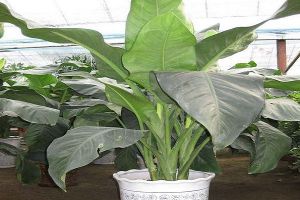
What to Do About Rotten Leaves on the Green King? Cause Analysis and Solutions
From the name alone, we can guess that this is a green plant. Its leaves are relatively large, and many people have noticed it and really enjoy growing it. It also has many uses, and many toxic gases are no match for it. Of course, its growth rate is also quite impressive, and nowadays everyone tends to like this kind of plant. But while enjoying this plant, various distressing problems can also surface, such as rotten leaves. So today we will go into detail about solutions for rotten leaves.
-
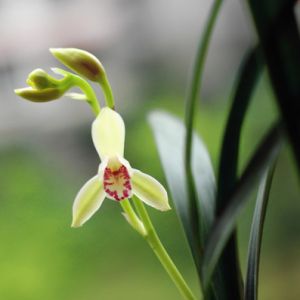
Main Causes of Rotten Shoots and Soft Rot and Their Prevention and Control Methods
A variety bred by Tianlong Orchid Garden, with short and round outer petals, thick and soft, tender yellow color, plain and clean, with good contrast between petals, tongue, and stem. Thick leaves, rich fragrance, elegant and graceful.
-
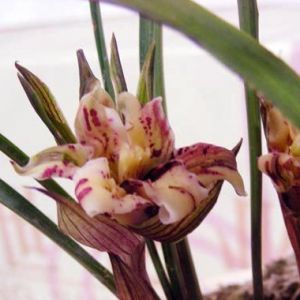
How to avoid rotten shoots? Mastering the right method is key
A multi-lipped peony-petal type rare flower belonging to the Cymbidium goeringii (Spring Orchid) varieties. Leaves are 20-35 cm long and 0.5-0.8 cm wide, with 3-5 leaves per plant. New shoots are reddish, and occasionally new seedlings still retain the red color even when they grow to about 4 cun. The flower scape rises above the foliage; the outer three petals are normal, the column is petaloid, and in strong plants the lip can be as many as 10 or more, arranged in a radial pattern, with a dignified shape, overall...
-

Don't Throw Away a Clivia with a Rotten Heart - One Trick Brings It Back to Life and It Blooms in Two Months
Gardening Encyclopedia Subscription Account Click to follow, Huahua teaches you to grow flowers! Clivia (Clivia miniata) has deep green, thick, fleshy leaves and an elegant appearance. In Chinese culture, it is also a symbol of nobility and the character of a gentleman. Therefore, it is deeply loved by people and widely planted...
-
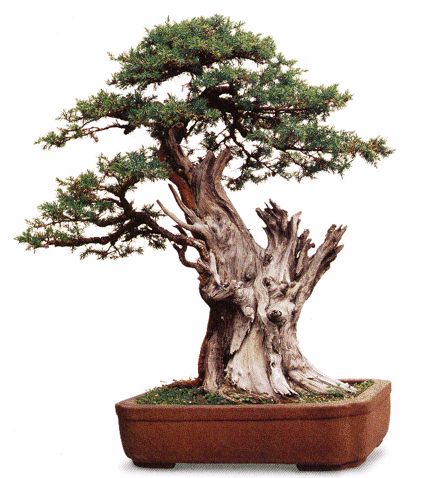
What does a "rotten-trunk style" bonsai mean? Let us introduce you to this bonsai form
Rotten-trunk style bonsai. What is a rotten-trunk style bonsai? Rotten-trunk style bonsai has two types: the cave type and the axe-cleavage type. 1. Cave type (1) Morphological characteristics: the xylem of the swollen head and stem part has partly rotted away, leaving the cortex and forming a cave, displaying the great age of the tree...
-
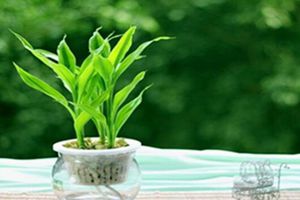
What to Do About Rotten Leaves on Lucky Bamboo? Causes and Solutions
Its leaves may have rotted because it has not been pruned and the space is too small, so the leaves should be pruned on schedule. It may also be because the water is not changed regularly, so the leaves cannot get enough nutrients, and the water must be changed immediately. It may be that it cannot adapt to being grown in water, in which case you need to switch it from water culture to soil culture. It may also be that there is not enough fertilizer and the soil has become compacted, so you need to loosen the soil and add fertilizer, then move it to a bright area.
条件筛选