-
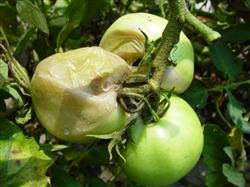
What causes rotten fruit in tomatoes
What causes rotten fruit in tomatoes? Please give guidance. Rotten fruit during the fruiting stage of autumn tomatoes is related to three diseases, and control should be strengthened. 1. Rotten fruit caused by soft rot. Tomato soft rot is a bacterial disease that mainly infects stems and fruits. When the fruit is affected, the skin remains intact and shiny, while the flesh rots into a soft, watery mass,...
-
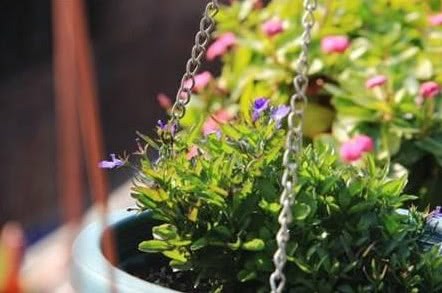
Don't throw away rotten tomatoes - use them to grow flowers and the branches will be sturdy and the leaves greener
A few days ago, Huahua read some experience shared by master gardeners and discovered that there really are things you can use to grow flowers everywhere in life, whether it's "trash" or all kinds of small items from daily life, they can all help, and the care...
-
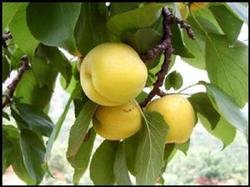
What causes rotten fruit in greenhouse apricots? How should it be handled?
Causes of rotten fruit: Insufficient light in the greenhouse. During prolonged overcast days or rain and snow, dust accumulates on the surface of the greenhouse film, resulting in insufficient light and excessive humidity inside the greenhouse. Young fruit growing for a long time in dark, damp air is prone to rot. Excessive temperature in the greenhouse: During the young fruit stage of apricots, if the temperature inside the greenhouse exceeds 28°C...
-
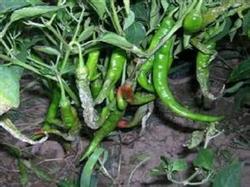
Why do a large number of rotten fruits appear when keeping peppers fresh on the living plant?
Recently, a large number of rotten fruits appeared in peppers stored by vegetable growers using the "living plant preservation" method. After in-depth investigation, the main causes were summarized. The greenhouse temperature was too high. After the beginning of winter, the weather had been relatively warm, and the temperature inside the small arched greenhouse was relatively high. Because after the pepper plants were pulled down and laid over, a layer of film was covered on top, at noon on sunny days the temperature under the film exceeded 25°C, ...
-

Succulents and clivias with rotten roots thrive when grown in water
Summer is basically coming to an end. I wonder how your succulents and clivias are doing? If your plants have black rot and rotten roots, don't give up. Huahua will teach you 1 trick to save your dying plants! Throw succulents with rotten roots into water, and the fibrous roots...
-

It was kept alive even with roots this rotten. How was that done?
Clivia root rot Take the clivia with rotten roots out of the flower pot, gently remove the soil, then rinse the roots clean with water, and use scissors to cut away the rotted roots completely. Then apply plant ash or fine stove ash to the wounds. 2. Put the cleaned...
-

Five-needle pine bonsai making illustrated guide: a rotten tree stump transformed step by step into a fine bonsai
For shaping pine and cypress bonsai, there is a very classic trick, which is: pine and cypress bonsai need to be pruned boldly! Without pruning there is no form, without pruning there is no creativity, without pruning it is hard to become a classic! The essence is indeed so, it just depends on each person's understanding. Alright, let's pick one...
-
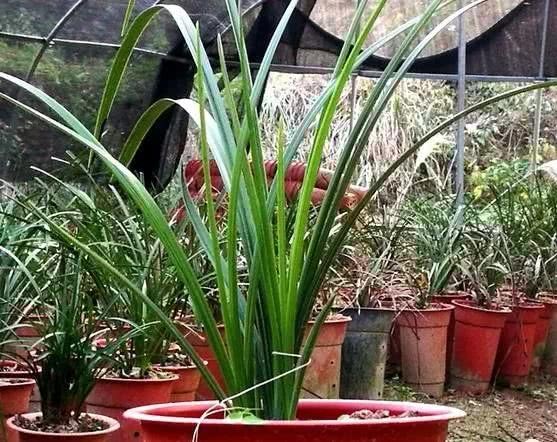
Can and when should you water an orchid with hollow rotten roots after trimming the roots, drying them, repotting and changing the potting medium?
Today a fellow orchid grower asked a question: for an orchid with hollow rotten roots, after trimming the roots and drying them, then repotting and changing the potting medium, can you water it once it is potted? When should you water? What the grower asked about is watering after treating an orchid with hollow roots. First, you have to know how hollow-root orchids form...
-
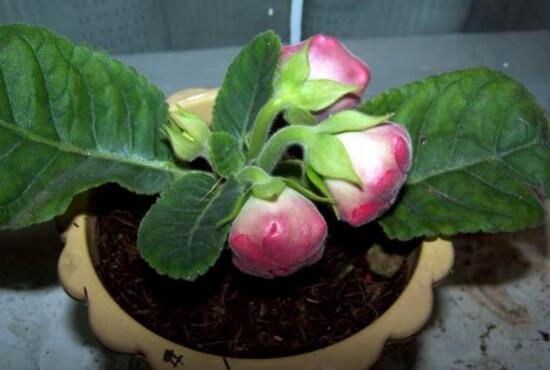
Why do Gloxinia tubers rot? Dig up the tuber, cut away the rotten part and replant
As a common indoor flowering plant, Gloxinia (Sinningia speciosa) should be familiar to flower lovers. Its leaves are large and emerald green, and its flowers are beautiful and multi-colored, making it highly ornamental when grown indoors. But during the growing process, many flower lovers encounter the phenomenon of the tuber rotting. So why do Gloxinia tubers rot? What should you do when a Gloxinia tuber rots?
-
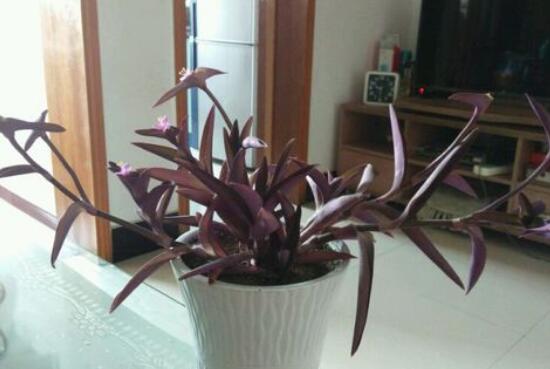
What to Do When Tradescantia pallida Leaves Turn Yellow? Supplement Light, Increase Water and Fertilizer, Cut Rotten Roots and Replant
Tradescantia pallida, a plant with remarkable benefits, is not only beautiful but also purifies the air and beautifies the home, and it has good medicinal applications as well. Such a plant is naturally kept in many homes, but during cultivation, with just a little carelessness, it will show yellowing leaves. So
条件筛选