-

-
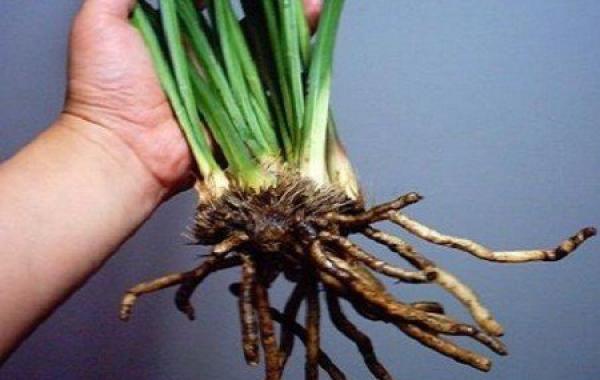
Can orchids still survive after their roots dry out and become hollow?
Can orchids still live after their roots dry out and become hollow?
-

What to Do When Flower Roots Become Moldy? A Detailed Guide to the Correct Treatment
What should you do if flower roots become moldy?
-

Selection Methods and Key Points for Walnut Rootstock Types in Walnut Seedling Cultivation
Currently, the process of improving walnut varieties in China is relatively fast, and most regions have already achieved the use of grafting methods to propagate seedlings. The commonly used rootstock types include 5 kinds: common walnut, iron walnut, wild walnut, Manchurian walnut, and Chinese wingnut. As shown in the picture: walnut. 1. Common walnut. In China
-

What to Do When Flower Roots Rot? A Detailed Guide to Treating Root Rot
What to Do When Flower Roots Rot
-

What to Do If Orchid Roots Rot? Teaching You the Correct Solution
What to Do If Orchid Roots Rot? Solutions for Orchid Root Rot
-
Malaysian scholar Lin Zeng-Yi puts down roots in Taiwan, forest research contributes to the world
Falling in love with traditional Chinese characters through "Qi Li Xiang," Malaysian scholar Lin Zeng-Yi settles and takes root in Taiwan, his research contributes to forests worldwide
-

What to Do If There Are Pests in the Roots of Flowers? A Detailed Guide to Prevention and Control Methods
What should you do if there are pests in the roots of flowers?
-

What medicine works well for disinfecting flower roots?
What should be used to disinfect flower roots?
-
Ficus microcarpa Growing Environment, Potted Cultivation Precautions, and the Medicinal Benefits of Its Aerial Roots
Ficus microcarpa, also known as small-leaved fig, evergreen tree, etc., reaches 15-25 m in height, with a flowering period from May to June. Here we take a look at where Ficus microcarpa grows, what precautions are needed for potted cultivation, and what medicinal benefits its aerial roots have. 1. Where does Ficus microcarpa grow? Ficus microcarpa's
条件筛选