-

An 80s-born young man plants lotus roots in idle farmland, leading villagers out of poverty toward prosperity
Idle farmland turned into lotus root fields: an 80s-born young man leads villagers out of poverty toward prosperity
-
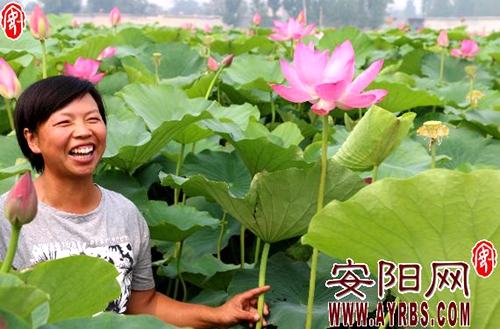
They grow lotus roots, raise ducks and loaches in their lotus pond, earning hundreds of thousands a year
The lotus pond has become their treasure bowl: growing lotus roots, raising ducks and loaches brings in hundreds of thousands a year
-
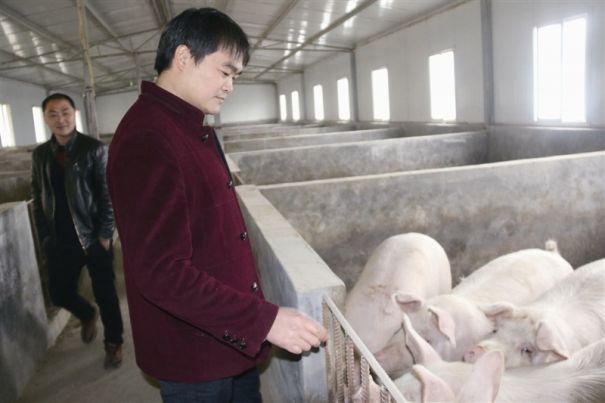
Making a fortune as a migrant worker without forgetting his roots, returning home to start a business and help lift people out of poverty
Making a fortune as a migrant worker without forgetting his roots, returning home to start a business and help lift people out of poverty
-
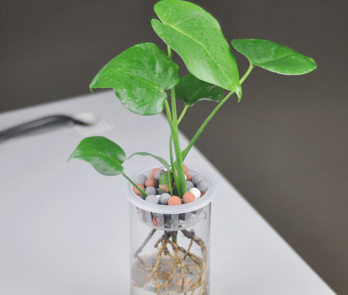
What to Do When Hydroponic Monstera Leaves Turn Yellow or Roots Rot
Speaking of the Monstera deliciosa, it is actually quite easy to care for, and it can also be grown hydroponically, which makes things much simpler. Let's take a look at what to do when hydroponic Monstera leaves turn yellow and what to do when its roots rot: What to do when hydroponic Monstera leaves turn yellow: 1. Place it in a spot with plenty of light. When leaves turn yellow, you especially need to increase the light
-
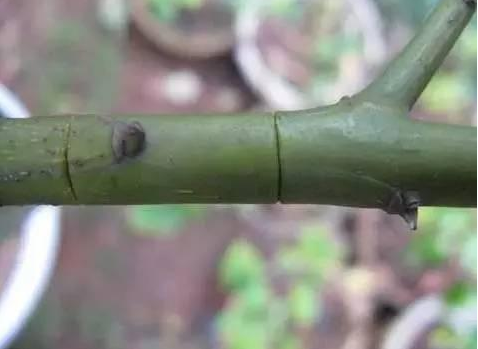
Detailed Guide to Rose Layering Propagation: How Long Until Roots Form After Layering
When it comes to roses, many people love growing them, and roses can also be propagated. Let's take a look at how rose layering propagation is done. How long does it take for rose layers to root: How rose layering propagation is done: Choose a propagation branch. Of course, you should choose a woody rose branch that has grown for one or two years, as shown in the picture below
-
Why should the roots of Schisandra chinensis be pruned before transplanting?
The benefit of pruning the root hairs of Schisandra chinensis seedlings before planting is: after the roots are cut, the seedlings can be stimulated and encouraged to generate and grow new roots. The length of the roots left after cutting is generally best kept between 10-12cm; seedlings with roots shorter than 10cm should also be trimmed so as to promote the growth of new roots.
-
Key Technical Points for Planting Birchleaf Pear Rootstock Seedlings in the Rainy Season
Birchleaf pear (Pyrus betulifolia) is an excellent rootstock for grafting pear cultivars, being drought-resistant, cold-resistant and tolerant of poor soil. It is generally planted in spring and autumn, but in remote mountainous areas short of water, the difficulty of transporting water and spring drought often affect the survival rate of planting. Fruit growers in our region have experience with planting birchleaf pear rootstock seedlings in the rainy season, which gives a high survival rate, rapid orchard establishment and low cost. The specific methods are as follows. 1 Plant after the continuous rainy season arrives, when the underground water content is close to saturation; planting in the rain or rushing to plant before the rain is best. 2 Dig up birchleaf pear sucker seedlings from nearby hillsides; generally a seedling diameter of 0
-
Schisandra chinensis asexual propagation and seedling raising: Rootstock method for green-branch cleft grafting
For the cultivation of rootstocks for green-branch cleft grafting, refer to open-field direct seeding for seedling raising. If the rootstocks are not dug out before winter arrives, pruning must be carried out before the ground freezes. Leave 3 to 4 buds on each rootstock and cut at about 5 cm, then water thoroughly with winter-protection water to prevent freeze damage and drying out. If the rootstock seedlings are to be planted out the following year, the seedlings can be dug out and stored in cellars or trenches, which is more beneficial for rootstock seedling management. When planting out the following year, they also need to be cut back to 3 to 4 buds to establish the trunk. Rootstock seedlings that overwinter in place should be irrigated promptly after the ground thaws the following year and given a topdressing of quick-acting nitrogen fertilizer to promote new shoot growth. Keep 1 to
-
Detailed Explanation of the Cultivation Method for Exposed Roots in Goji Berry Bonsai
Goji berry has strong sprouting ability and adaptability, prefers low temperatures and is not afraid of severe cold; it sprouts early, sheds leaves late, and its fruit does not drop, giving it a long ornamental period; each year in spring and autumn it produces new leaves twice, blooms twice, and sets fruit twice. Moreover, it is small and dense, with small but abundant flowers and numerous bright red fruit, and its fruit is also a fine tonic for strengthening the body. Therefore, it is a very popular material for small bonsai. However, thick goji berry trunks are hard to obtain, so roots are often used in place of trunks to make bonsai, but its roots are mostly single and rarely branch. This makes it difficult to create a small, perfect goji berry bonsai with exposed hanging roots and claws. In recent years, the author
-
Producing Rhododendrons for Landscaping: Topiary Is the Direction, Don't Use Wild-Collected Rootstock
Regarding the phenomenon of some nursery growers using wild rhododendrons as rootstock to cultivate topiary rhododendrons for landscaping projects, Li Yong, secretary-general of the Rhododendron Branch of the China Flower Association, recently stated: topiary is currently an effective way to increase the added value of landscaping rhododendrons, but the practice of using wild-collected rootstock for grafting is not advocated. It is understood that although there are not many nurseries in China mainly growing rhododendrons for landscaping projects, many places in the south have already achieved year-round supply. Therefore, in the absence of disasters, the domestic supply of landscaping rhododendrons is currently basically saturated
条件筛选