-

Can a Phalaenopsis orchid still be saved if all its roots have rotted? With this care routine it can bloom again
In recent years, the Phalaenopsis orchid has become a favorite of many flower lovers, not only because of its auspicious flower meaning, but also because its blooms are extremely beautiful. However, a Phalaenopsis orchid with a beautiful flower shape and many buds is very expensive, so the most painful moment is watching the Phalaenopsis flowers fade. Today I am telling you not to feel the pain anymore! Phalaenopsis flowers
-

-
-
-

Is blackening of Phalaenopsis roots stem rot or something else?
The Phalaenopsis you've been growing had roots that were originally white and tender, and suddenly they turned black. At the first sign of this, many people's first reaction is "It's over, stem rot!", and they hurriedly dig out all kinds of medicine and spray it heavily, only to end up making the flower even more wilted. In fact, blackening of Phalaenopsis roots is not necessarily stem rot, so don't jump to conclusions yet; it's more reliable to track down the real
-

Should you trim the roots of a Phalaenopsis? Trim correctly in these 3 situations for strong roots and abundant blooms
If you see the roots in a Phalaenopsis pot either sticking out in a tangled mess, or some turning black and soft, should you trim them or not? Some people think "roots are the life of the flower" and are afraid of harming it by trimming; others think "if you don't cut bad roots, they'll spread" and go at it too harshly. In fact, Phalaenopsis roots shouldn't be trimmed casually - it depends on the situation. Trim correctly and it will
-

The simplest way to grow a pineapple top in water, and how long until it roots?
Don't waste the pineapple top you bought at the supermarket! I tested it myself: in water it sprouts fuzzy white roots, and after moving it to soil it keeps pushing out new leaves, sitting on the windowsill looking fresh and soothing. The biggest surprise is that a pineapple you grow yourself at home smells 10 times stronger than one bought outside! Here is a step-by-step guide, from the pitfalls of root rot to a burst of roots, so even beginners can easily replicate it. These soul-searching questions:
-

Can you leave aged orchid roots unpruned, or will they rot?
The roots of a Phalaenopsis look old, but they are not completely rotten. Is it okay not to prune them? If you do not prune them, will they rot even more? I believe many friends who grow Phalaenopsis have experienced this "old root anxiety": looking at wrinkled old roots, they always feel they are a "hidden danger", but they are also afraid that pruning wrong will cost more than it is worth. The healthy roots of a Phalaenopsis are plump and white with crystal tips.
-
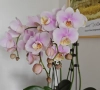
Reasons and Methods for Air-Drying the Roots of Phalaenopsis (Moth Orchids)
The thick, fleshy aerial roots of Phalaenopsis are most vulnerable to waterlogging and pathogen infection. Air-drying the roots allows the wounds from pruning to dry quickly and form scabs, reducing the risk of black rot, while also regulating root moisture to suit care needs across different seasons. 1. Air-drying after pruning: 1. Root trimming: Use sterilized scissors to cut off brown, soft, rotten roots and hollow roots, keeping the healthy
-
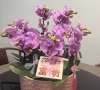
What are the methods for growing roots on Phalaenopsis orchids? Teach you how to make Phalaenopsis orchids root quickly
When growing Phalaenopsis orchids, the key is to grow the roots well. There are several practical methods, such as the upside-down method, the water-contact method and the semi-hydroponic method. Let me introduce them to you below. Upside-down method: find a suitable container and place the Phalaenopsis orchid into it upside down, with the head facing down, trying to let the leaves be submerged in water. Then, put it in a place with soft light, that is cool and ventilated
条件筛选