-

New breakthrough in the treatment of self-biting syndrome in foxes, raccoon dogs and minks
Self-biting syndrome is a common disease of captive fur-bearing animals such as foxes and minks. In recent years, it has occurred in many farms and households in China, causing great economic losses. There had been no specific prevention or treatment measures for this disease, and the key point was that the cause had not been identified. Regarding the cause, people had put forward many hypotheses or claims, but these had not truly served to guide prevention and treatment. Since the early 1990s, researchers have carried out some research work on the cause of the disease. In the course of research and experiments, the cause of self-biting syndrome was identified,
-
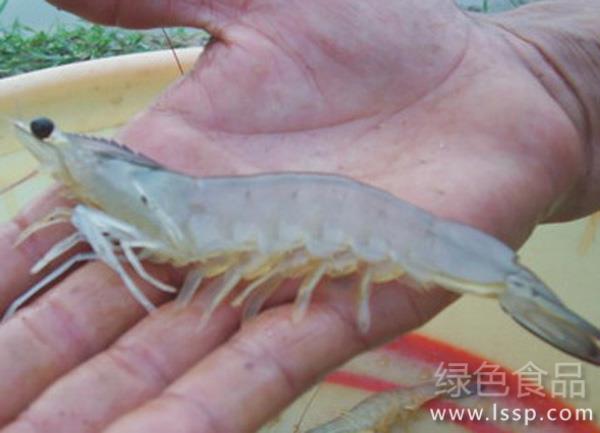
Soft-shell syndrome in prawns occurs at a high rate; how can it be prevented and treated in farming?
Prevention and treatment of soft-shell syndrome, which prawn farming is prone to
-
What are the adjunctive treatment methods for pig high fever syndrome?
When pigs suffer from severe colds, pneumonia, influenza, heatstroke, and febrile diseases such as erysipelas and swine pasteurellosis, they often run a fever, sometimes with body temperature reaching above 42°C and remaining persistently high. In clinical practice, drawing on the methods used by human physicians to manage high-fever patients, adjunctive treatment such as pouring cold water over the head and applying cold compresses was used for pigs with high fever syndrome. After treating more than 10 cases, the results were good. The specific method is: first fill a kettle with well water or cold water, slowly pour it over the sick pig's head, and gently pat it. After pouring is complete, soak a towel or piece of cloth in well water or cold water, fold it 2-3
-
Prevention and Treatment Methods for Toxic Water Syndrome in Fish Ponds
Dissolved Oxygen Exceeding Standards "Toxic Water Syndrome" 1. Harm and symptoms. When too much unfermented fertilizer is applied to a water body, the raw fertilizer decomposes at the bottom of the pond into very fine small bubbles of methane and hydrogen sulfide, which fry mistake for food and swallow. The main symptoms are: many small bubbles adhere to the fish gills, causing the fish body to float up or swim off balance. There are white bubbles in the fish intestines, or more bubbles attach to the fish body surface, fin rays and gill filaments, and the fish body floats on the water surface and cannot sink down; in severe cases it can cause fish to die in batches. 2. Prevention
-
Causes and Prevention and Treatment Methods of Sudden Death Syndrome in Cattle
Sudden death syndrome in cattle is a new disease that has occurred commonly throughout China in recent years and has attracted much attention. It is characterized by sudden onset, unnoticeable symptoms, and rapid death; cattle often die before treatment can be given. It causes relatively great harm to the cattle industry. (I) Causes Regarding the cause of this disease, there have been many research reports in recent years, with opinions varying widely and no definitive conclusion yet; they can be summarized as follows: 1. Cattle accidentally eat forage or feed contaminated with fluoroacetamide. 2. Cattle are infected with Clostridium welchii type A, causing this disease, or this bacterium is mixed with Bacillus [text unclear],
-
How to treat cattle emaciation disease? A detailed explanation of traditional Chinese medicine syndrome differentiation and treatment methods
In traditional Chinese veterinary medicine, cattle emaciation disease falls within the scope of consumptive disease. It is prone to occur in cattle raised by scattered household farmers in the agricultural areas of eastern Qinghai Province, and due to delayed or improper treatment, it often leads to death. This brings serious economic losses to farmers. Based on clinical experience, the author has summarized the following treatment methods for reference. 1 Etiology The causes of cattle emaciation disease mainly include the following factors: 1.1 Due to a single feed type and insufficient energy, appetite and drinking gradually decline, causing the body's own
-
What to do about Porcine High Fever Syndrome? Detailed treatment measures
Although there are currently no specific drugs or mature treatment protocols available, after an outbreak of Porcine High Fever Syndrome occurs in production, taking active response measures according to the situation on the farm is still very beneficial for reducing the incidence rate and mortality rate and decreasing economic losses. (1) Disinfection is a way to cut off the transmission route of the disease and kill pathogens. After an outbreak occurs on a pig farm, disinfection work should be strengthened, and the concentration of the disinfectant solution should be increased. Strict disinfection should be carried out 2 to 3 times a day in the affected area and surrounding environment, and the living and management area of the pig farm should be disinfected once a day. Disinfection
-
What are the prevention and treatment methods for bovine damp-toxin syndrome?
Bovine damp-toxin syndrome, also known as eczema, is caused by cattle living in a damp environment for a long time. It can occur in all four seasons, and the incidence rate increases somewhat in summer when the weather is hot. (1) Symptoms. At the beginning of the disease, the symptoms are redness of the skin under the jaw, on the abdomen and on both sides of the perineum of the cattle, with hard small nodules the size of broad beans appearing, making the cattle restless and itchy; later papules and vesicles appear, and after the vesicles rupture, symptoms such as yellow exudate, scabs and scales appear. Over time, the cattle become emaciated and weak, and eventually die. (2) Pre
-
How long does the transmission of porcine reproductive and respiratory syndrome virus persist?
The porcine reproductive and respiratory syndrome (PRRS) virus has an enormous impact on the economic benefits of the global pig industry. This disease increases mortality and reduces pig production performance and growth rate, and increases the cost of vaccines and medications. Although many prevention and control measures have been proposed, their effectiveness after implementation still varies, so these measures are not suitable for some pig farms. The PRRS virus has long-lasting infectious pathogenicity and can spread both horizontally and vertically. Fetuses in the uterus and pre-weaning piglets are infected by this virus late, and it can spread throughout the entire piglet barn through virus-contaminated bedding.
-
Detailed Explanation of Post-weaning Multisystemic Wasting Syndrome in Pigs (Part Two)
4 Prevention and Control PCV2 is highly resistant to inactivation by many detergents and disinfectants, and the effect of medication is limited. Therefore, it is crucial for pig farms to take measures such as changing rearing techniques, improving hygiene conditions, and reducing stress at different stages, in order to lower the "infection pressure" (including PCV2 and any other pathogens). 4.1 Farrowing Period 4.1.1 All-in/all-out, with thorough cleaning and disinfection between two batches of pigs. 4.1.2 Wash sows and deworm them before farrowing;
条件筛选