-

Detailed Explanation of the Planting Techniques and Cultivation Management Points of Gouji (Cibotium barometz)
Planting Techniques of Gouji
-

Symptoms and Prevention Methods of Porcine Subhealth Syndrome
In actual production management on pig farms, managers and technical staff generally pay more attention to the treatment and prevention of diseases, while paying insufficient attention to chronic wasting diseases such as pig parasites. Over many years of production practice, we have found that, in addition to the above factors, porcine subhealth syndrome - a critical state between health and disease - will, now and for a relatively long period in the future, together with virulent viral diseases, become the greatest enemy harming the pig industry. If pig farm managers do not pay close attention, it will seriously
-
Diagnosis, Treatment and Prevention of Porcine MMA Syndrome
In September 2007, a farmer in Tangqiao Town of our city raised more than 10 sows that farrowed successively. Among them, 3 sows suddenly developed elevated body temperature on the 3rd day after farrowing, with swollen udders, refusal to let piglets suckle, continuous discharge of reddish-brown lochia from the vagina, and the vulva and surrounding area of the anus contaminated with mucus. We initially suspected uterine infection caused by retained placenta, and antibiotic treatment was ineffective. Later, comprehensive measures were adopted, the condition improved, and the animals gradually recovered. The relevant situation is described as follows:
-
Symptoms and Prevention Methods of Swollen Head Syndrome in Chickens
I. Disease Overview: Swollen Head Syndrome in chickens is an infectious disease of chickens caused by avian pneumovirus with secondary infections such as pathogenic Escherichia coli, mainly characterized by swollen head and characteristic neurological symptoms; in laying hens it can also cause a drop in egg production and reduced hatchability. II. Epidemiological Features: SHS mainly affects chickens (broiler breeders, commercial laying hens, and broilers can all be affected) and turkeys. Chickens and turkeys are the known natural hosts. SHS is mainly transmitted horizontally through contact; the digestive tract and nasal cavity of sick or recovered chickens
-
How to handle summer syndrome in eels? Keep the key precautions firmly in mind
The following points should be noted: First, the treatment of pond water. Because medication may need to be used for a long time, it easily causes water quality to deteriorate, so after each medication cycle ends, it is best to carry out a large water change to keep the water environment clean. Second, during the high-temperature period, pay attention to changes in water temperature and water quality. Generally, ventilation should be strengthened to increase dissolved oxygen in the water, and when necessary, raise the water level for medication to prevent a sharp change in water temperature during medication from increasing eel deaths. Third, in the early stage of the disease, even if antibiotics are used
-
What are the prevention and treatment methods for bovine damp-toxin syndrome?
Bovine damp-toxin syndrome, also known as eczema, is caused by cattle living in a damp environment for a long time. It can occur in all four seasons, and the incidence rate increases somewhat in summer when the weather is hot. (1) Symptoms. At the beginning of the disease, the symptoms are redness of the skin under the jaw, on the abdomen and on both sides of the perineum of the cattle, with hard small nodules the size of broad beans appearing, making the cattle restless and itchy; later papules and vesicles appear, and after the vesicles rupture, symptoms such as yellow exudate, scabs and scales appear. Over time, the cattle become emaciated and weak, and eventually die. (2) Pre
-
What to do about Porcine High Fever Syndrome? Detailed treatment measures
Although there are currently no specific drugs or mature treatment protocols available, after an outbreak of Porcine High Fever Syndrome occurs in production, taking active response measures according to the situation on the farm is still very beneficial for reducing the incidence rate and mortality rate and decreasing economic losses. (1) Disinfection is a way to cut off the transmission route of the disease and kill pathogens. After an outbreak occurs on a pig farm, disinfection work should be strengthened, and the concentration of the disinfectant solution should be increased. Strict disinfection should be carried out 2 to 3 times a day in the affected area and surrounding environment, and the living and management area of the pig farm should be disinfected once a day. Disinfection
-
Causes and Prevention and Treatment Methods of Sudden Death Syndrome in Cattle
Sudden death syndrome in cattle is a new disease that has occurred commonly throughout China in recent years and has attracted much attention. It is characterized by sudden onset, unnoticeable symptoms, and rapid death; cattle often die before treatment can be given. It causes relatively great harm to the cattle industry. (I) Causes Regarding the cause of this disease, there have been many research reports in recent years, with opinions varying widely and no definitive conclusion yet; they can be summarized as follows: 1. Cattle accidentally eat forage or feed contaminated with fluoroacetamide. 2. Cattle are infected with Clostridium welchii type A, causing this disease, or this bacterium is mixed with Bacillus [text unclear],
-
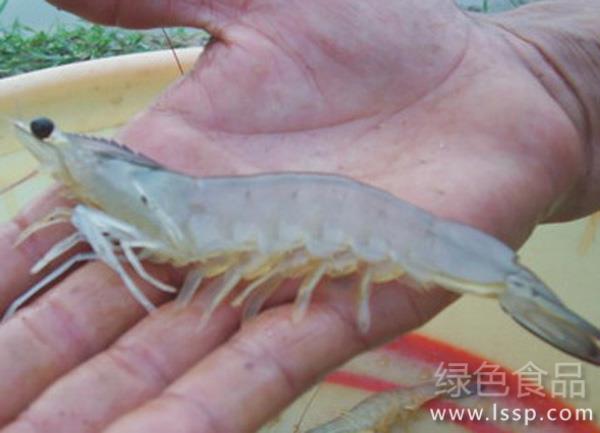
Soft-shell syndrome in prawns occurs at a high rate; how can it be prevented and treated in farming?
Prevention and treatment of soft-shell syndrome, which prawn farming is prone to
-
What are the causes and stress factors of swine high fever syndrome?
Causes: Swine high fever syndrome is essentially a swine disease caused by mixed infection with multiple viruses, bacteria and protozoa triggered by immunosuppressive swine diseases. Biological factors: mixed infection with pathogens such as classical swine fever virus, circovirus, porcine reproductive and respiratory syndrome virus, pseudorabies virus, Eperythrozoon, Toxoplasma, Streptococcus, Salmonella paratyphi, Mycoplasma, Actinobacillus pleuropneumoniae, Haemophilus parasuis and Pasteurella. There can be more than 15 kinds of pathogens, among which classical swine fever virus has the highest infection rate and is the most typical; mixed infection with Toxoplasma, Eperythrozoon, porcine reproductive and respiratory syndrome virus, circovirus and classical swine fever virus is common, and there is also mixed infection of classical swine fever virus with piglet paratyphoid bacillus, often dominated by classical swine fever virus, together with one or more than two kinds of viruses, bacteria and protozoa, so the mortality rate is high, the cure rate is low, and it may even wipe out the whole herd.
条件筛选