-

How to Grow Rhipsalidopsis? Detailed Guide to Cultivation Methods, Precautions, and Reasons for Not Blooming
Rhipsalidopsis comes in a variety of colors with brilliant blooms, which is one of the reasons many flower lovers adore it. Although Rhipsalidopsis is fairly resilient and not too fussy about its growing environment, there are still many frustrating issues that arise during cultivation. Today, we
-
-
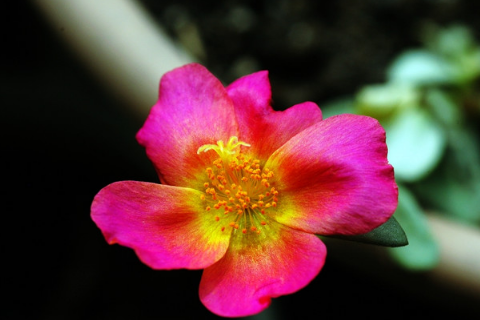
What are the cultivation methods and precautions for Rhipsalidopsis rosea?
Watering: In spring and autumn, water once a week to keep the soil moist. In summer, provide appropriate shade; in winter, keep the soil moderately moist, and the specific watering frequency depends on the room temperature. Fertilizing: Fertilize once a month, using a low-nitrogen fertilizer or a special succulent fertilizer. Light: During the flowering period, ensure sufficient light and move the plant as little as possible to avoid broken stems and fallen flowers
-

-
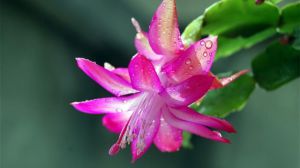
What is the difference between Christmas cactus and Rhipsalidopsis? A guide to telling them apart easily
Leaf differences: The Christmas cactus (Schlumbergera) has serrated leaf edges with obvious protrusions; the leaf edges are green and relatively thin. The Rhipsalidopsis leaf edges are relatively smooth, with no obvious protrusions; the leaf margins are purplish-brown and relatively thick. Flower differences: The Christmas cactus has relatively long stamens, while Rhipsalidopsis has relatively short stamens.
-
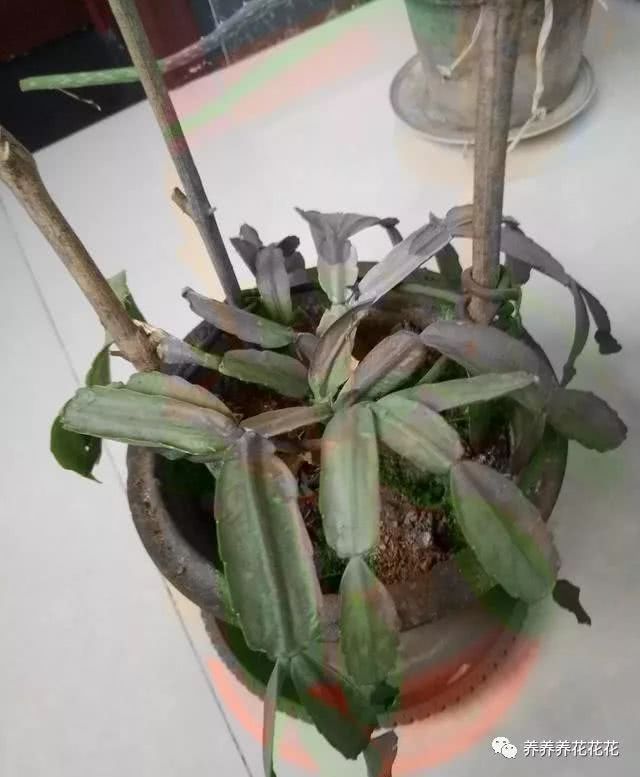
What to Do When the Leaves of Rhipsalidopsis and Schlumbergera Have Problems? The Correct Way to Handle It
A gardening enthusiast sent two pictures, asking why the newly grown leaves of their Christmas cactus were drying up. Neither of the two pots in your pictures is a Christmas cactus. The first picture shows a Rhipsalidopsis (Easter cactus), which blooms in spring. From what I can see in the picture, your...
条件筛选