-

How to prune Japanese pieris? An illustrated guide to the correct pruning method
Japanese pieris (Pieris japonica), also known as "soaked wood," is an evergreen shrub in the heath family (Ericaceae), genus Pieris. Besides the native species found south of the Tohoku region of Japan, there are also hybrids between the native species of Yunnan, China and the Japanese species. There are many horticultural cultivars. When used in gardens and hedges, keep the plant height below 2m
-

Detailed Explanation of Integrated Prevention and Control Techniques for Common Pig Diseases
The integrated prevention and control techniques for common pig diseases target major epidemic diseases that plague the development of the pig farming industry in the Beijing suburbs, such as porcine foot-and-mouth disease, swine fever, porcine parvovirus, swine enzootic pneumonia, and swine Escherichia coli. Practical and feasible integrated prevention (treatment) techniques have been researched and formulated. The core techniques are: integrated epidemic prevention techniques for large-scale pig farms; immunization and antibody monitoring techniques for important pig farm epidemic diseases; rational drug use for pigs and disinfection techniques for the pig farm environment and the interior and exterior of pigs. Over the years, promotion and application in more than 2,000 large-scale pig farms in the Beijing suburbs have achieved good results, reducing pig death and culling
-
Garlic Processing Methods: How to Make Dehydrated Garlic Flakes and Sweet-and-Sour Pickled Garlic
1. Dehydrated garlic flakes: Select fresh garlic bulbs that are well matured, free of injury, free of pests and diseases, white in color, and large in size. After removing the stem ends, separating the cloves, and peeling, slice them while keeping them wet, then rinse them in a citric acid aqueous solution to reduce the activity of garlic enzymes. Note that rinsing must be completed within 24 hours after slicing, so that the garlic flakes do not produce colored pigments due to oxidation, which would affect the color of the finished product. Place the rinsed garlic flakes in a temperature-controlled dehydrator and control the temperature in three stages: keep the temperature at around 60°C in the early stage, increase the temperature appropriately in the middle stage, and keep it above 70°C in the later stage, but it must not exceed 7
-
Moderate to slightly light occurrence of the second generation of rice stem borers in Suijiang County in 2007
Rice stem borers in our county include the yellow stem borer (Scirpophaga incertulas), the striped stem borer (Chilo suppressalis), and the giant stem borer (Sesamia inferens). In the riverside area, 3 generations occur per year; in the mid-mountain area, 2 generations occur per year. At present, the first generation in the riverside area has ended, and the second generation is beginning to occur successively. According to observations at our station's Fengchi pest and disease monitoring point, this year's second-generation moth flight began on June 10, 1 day earlier than last year and 2 days later than normal years, with the peak day on June 18, 1 day later than last year and 8 days earlier than the historical average; by June 25, a cumulative total of 234 moths had been trapped, with the yellow stem borer, striped stem borer, and giant stem borer accounting for 94.9
-
How to prepare mushroom growing substrate? Sharing a family recipe
Making a good mushroom growing substrate is key. You can choose mold-free corn cobs and crush them to the size of broad bean grains, using 80% corn cobs, 12% rice bran, 4% cornmeal, 1% gypsum, 1% superphosphate, 2% lime. Weigh out the required amount of each material. To improve its nutritional value, you can add fermenting agents such as JINBAOBEI fermenting agent at about 5% to improve fermentation quality, mix thoroughly, add water and stir evenly. The moisture content should be 65%, that is, when you squeeze the substrate in your hand with moderate force, water should appear between your fingers but not drip down. The material should be fully
-
Detailed Explanation of New Technology for Indoor Shelf-Style Sterilized Substrate Cultivation of Tricholoma lobayense
Tricholoma lobayense is a rare mushroom species newly developed in recent years. It fruits at relatively high temperatures and is suitable for cultivation from late spring to mid-autumn. It solves the problems of variety matching for year-round cultivation in mushroom houses and the limited area and few varieties for edible mushroom cultivation in summer that cannot meet market demand, and it has broad development prospects. At present, cultivation methods and management practices vary from place to place, so fruiting and yields are also very unstable, and mushroom death is especially likely to occur at the primordium stage. Because the indoor temperature difference between day and night is small (cultivation and fruiting are even better in houses with earthen walls), mushroom death caused by sudden high-temperature weather outdoors will not occur;
-
Key Technical Points for Over-summering Management of Semi-cooked Substrate Cultivation of Nameko Mushrooms
In the Dandong area, from mid-June each year, the weather shifts from dry and muggy to the continuous rain season, with persistent drizzle and no adequate sunlight for more than 10 days, high temperatures and high humidity, resembling "sauna" weather. From mid-July until the opening of the beds, there is again scorching sun, and the spawn bags in a high-temperature, high-humidity environment are highly prone to spawn degeneration or invasion by pests and diseases, causing the spawn beds (bags) to become soft and rotten after opening or after the first watering, resulting in varying degrees of economic loss for mushroom growers. Based on our cultivation practice in recent years, we have mastered a set of over-summering management methods. The key management points are introduced as follows:1
-

Methods to Improve the Germination Rate in Licorice Cultivation
Methods to Improve the Germination Rate of Licorice
-
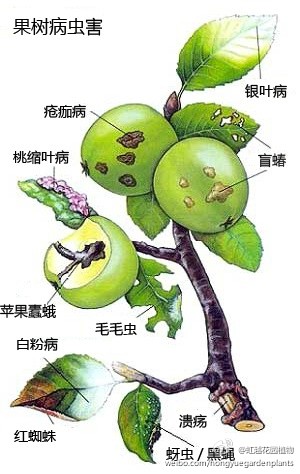
Complete Illustrated Guide to Flower Pests and Diseases: Quickly Identify Disease and Pest Symptoms
Pest and disease illustrations are always somewhat scattered. The few images below bring together illustrations of several dozen common flower pests and diseases, plus illustrations of fruit tree pests and diseases, rose pests and diseases, and tree pests and diseases.
-
Fish species quality identification methods, teaching you to accurately select high-quality fish species
1. Check whether the size is uniform. For the same species of fish, those with uniform size when harvested from the pond generally have a relatively robust constitution. 2. Check whether the fish body is glossy. Robust fish species have a layer of mucus on the body surface to protect the scales and skin from pathogen invasion, so the body surface shows a certain gloss. However, diseased, weak, or injured fish species lack mucus on the body surface and have no gloss, or some diseased fish have excessive mucus on the body surface and also lose their gloss. 3. Check the body color of the fish species. The body color of the fish species reflects their quality. The body surfaces of high-quality fish species are respectively:
条件筛选