-

What are the effective fattening methods for commercial rabbits?
Fattening rabbits is the last stage of rabbit production. Its purpose is to produce good rabbit meat and rabbit skins. The fattening of domestic rabbits works best after the skeletal growth and development is complete. The feeding and management of domestic rabbit fattening must meet the following five key points: 1. Concentrate feed point. After the skeletal growth and development of domestic rabbits is complete, the weight gained during fattening is mainly muscle and fat. During fattening, concentrate feed should be the main component, especially feeds rich in carbohydrates, such as sweet potato, potato, taro, radish, etc. And green fodder should be appropriately included.
-
How can female rabbits produce more offspring? Sharing practical methods
Producing more female rabbits is an effective way to improve breeding efficiency. So how can you get more female rabbits? Relevant research shows that the mating time of the female rabbit is the key to determining the sex of the future kits. Experience shows that when a male rabbit that has already mated the previous day is mated with a female rabbit on the 2nd day of estrus, most of the kits born are female rabbits; if a male rabbit that has not mated within the 3rd day is mated with a female rabbit on the 3rd day of estrus, most of the kits born are male rabbits. Experiments show that with the former mating method, 9 litters of kits were produced, with 68 surviving, of which 57 were female rabbits
-
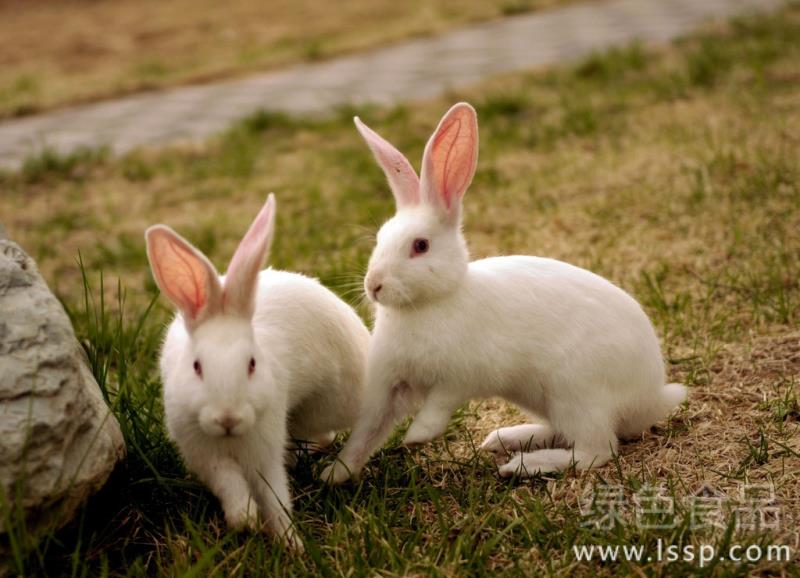
5 contraindications for immune injection in domestic rabbits; only reasonable immunization brings healthy rabbits
Reasonable immunization brings healthy rabbits: 5 contraindications for immune injection
-
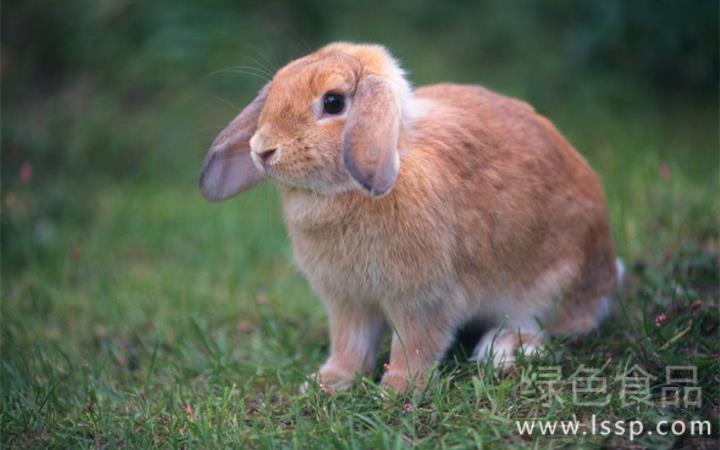
Mastitis in female rabbits can be fatal in severe cases; how can it be prevented?
Mastitis can cause death in female rabbits in severe cases; how to prevent mastitis in female rabbits
-
Weather changes trigger acute dehydration and death in rabbits, requiring vigilance
In August 2007, an acute intestinal infectious disease characterized by severe diarrhea, dehydration and rapid death occurred in the breeding rabbit flock of a rex rabbit farm. The incidence rate was about 60%, and the mortality rate reached 40%. Based on epidemiology, clinical symptoms and pathological changes, combined with laboratory testing, it was finally diagnosed as Tyzzer's disease in rex rabbits. The relevant situation is reported as follows. I. Onset process: A rabbit farm raised 1000 rex rabbits, of which more than 200 were breeding rabbits. In early August, after 5 consecutive days of local rain and with the temperature exceeding 3
-
Adding fat to rabbits' feed in winter has many benefits
In winter, the weather is cold and temperatures are low. If 2%-3% fat (rendered lard is best, vegetable oil is second best) is added to the rabbit diet, feeding it to rabbits not only improves palatability and promotes healthy growth, but also increases body fat and fat reserves, thereby improving the rabbits' resistance to winter cold. According to many years of practice at the author's rabbit industry base: adding fat to the feed of pregnant does can increase the survival rate of kits by about 10%; adding fat to the diet of does during lactation can significantly increase the weaning survival rate of kits; adding fat to the diet of meat rabbits
-
How to slaughter rabbits, take the hides and tan them more efficiently
Rex rabbit fur has the characteristics of being short, fine, flat, dense and beautiful, is in great demand on the market and commands a high price, but the market also has very high quality requirements when purchasing rex rabbit fur. To sell rex rabbit fur at a good price, raisers should master the following six tips: 1. Feed formulation. The rex rabbit is a dual-purpose rabbit for both fur and meat, and must both grow fur and grow meat. Feed nutrient levels must be high, generally with digestible energy of 11.4-11.9 MJ/kg, crude protein of 18%-19%, crude fiber of 6%-8%, crude fat of 3%-4%, calcium of 0.88
-
There's a right way to feed rabbits: keep these three dos and three don'ts in mind
Feed a complete mixed ration. The nutrient composition of a rabbit's daily ration is: 10% crude protein and 10% crude fiber, 5% fat, 2800 kcal of digestible energy per kilogram of ration, and 10% amino acids. If there is no way to feed a complete mixed feed, appropriately add concentrated feeds such as soybeans, soybean cake, wheat bran and corn, along with succulent feeds such as carrots. Feed heavily at night. Rabbits have a strong tendency to eat at night, and nighttime intake can account for more than 75% of their total daily intake. Therefore, provide rabbits with enough feed and drinking water at night. Change feed gradually. When one kind of feed has been fed for a long time, the rabbit has
-
Diagnosis and Treatment Methods for Cold Medicine Poisoning in Rabbits
In October 2005, 120 young rabbits raised by Liu in Fangzheng County, Heilongjiang Province, developed symptoms similar to the common cold, including runny noses and sneezing, in most of them due to the influence of a cold wave. The rabbit owner ground up "Ganmaotong" (a human medication produced by Zhengzhou Kangli Pharmaceutical Co., Ltd.) at a dose of 1 tablet per 2 young rabbits and mixed it into the feed. The rabbits were fed at 9 AM, and by 10 PM, 55% of the young rabbits showed abnormalities; by the next morning, 7 had died. The owner then came to my clinic for diagnosis and treatment, during which 8 more died successively. After a systematic examination, the diagnosis was "Ganmaotong" poisoning. Because
-
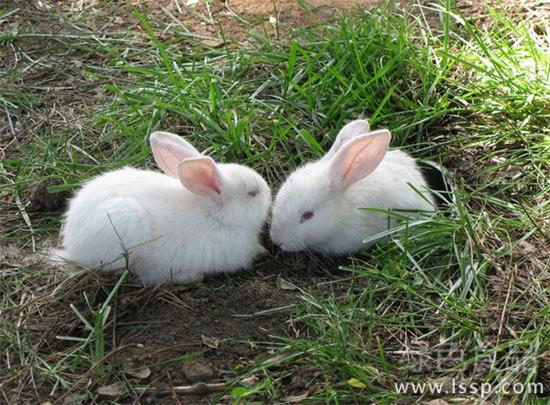
Young rabbits have weak constitutions and poor disease resistance, and are prone to death: an analysis of key points in feeding and management
Young rabbits have weak constitutions and poor disease resistance and are prone to death: key points in the feeding and management of young rabbits
条件筛选