-

Reasons for Feeding Rabbits Salt and the Appropriate Amount to Add
Sodium: widely distributed throughout the rabbit's body, it maintains the balance of water, electrolytes and acid-base levels in the body, so that the rabbit will neither become "shrunken and dry" nor develop edema; sodium also regulates normal cardiac physiological activity, and to a certain extent promotes nerve conduction and gastrointestinal motility. Chlorine: mainly distributed in the extracellular fluid, it is the raw material for forming gastric acid and a component of gastric juice. Gastric acid can stimulate appetite, enhance digestion, and increase the digestion and absorption rate of protein and fat. If the rabbit's diet lacks salt, it will cause loss of appetite in the rabbit
-
What are the key points for feeding and managing pregnant rabbits?
From before and after mating until 15 days after conception, feed the doe either a restricted diet or a supplemental diet according to her body condition, to prevent her from becoming too fat, which is detrimental to reproduction. Thin and weak does should be given enhanced feeding at this opportunity to help them regain condition as quickly as possible, laying a solid foundation for nursing their kits. From 15 days after conception and during lactation, does should be fed freely to meet the rapid growth and development of the fetuses and kits and to prevent the occurrence of kits being dragged out of the nest. The key point in this period is to make the feed as complete as possible so the doe eats her fill and eats well. Second, do a good job of
-
Key Technical Points and Management Methods for Raising Hyplus Rabbits
The Hyplus composite strain meat rabbit is a hybrid breed developed by the French company Euro Rabbit in the late 1970s. It was bred from nine original breeds through different crossbreeding combinations and selection trials. One of the most notable characteristics of this breed is its high meat yield, reaching up to 59%, which is the highest among current meat rabbit breeds. The meat is tender, and adult commercial rabbits weigh an average of 4.5 kg. After decades of breeding, it has become one of the main breeds in the current meat rabbit market. Yuncheng City was among the earlier areas in our province to develop it, and Hyplus rabbit raising is currently developing well. Housing
-
How to raise rabbits well in winter? Good feeding management is key
Keeping warm: In a low-temperature environment, rabbits lose a lot of heat and grow slowly, which affects their development and reproduction. Therefore, the rabbit hutch should be well maintained, windows sealed tightly, and cracks plugged to keep the hutch warm. Supplementary greens: Feeding green, juicy feed in winter can enhance rabbits' appetite and promote their growth, development and reproduction. Commonly used green, juicy feeds include cabbage, radish, bean sprouts, etc., but the daily feeding amount should not be too large, otherwise it easily causes diarrhea in rabbits. Add night grass: Rabbits have nocturnal habits. In winter, the days are short and the nights are long, so night grass should be added. At the same time, increase
-
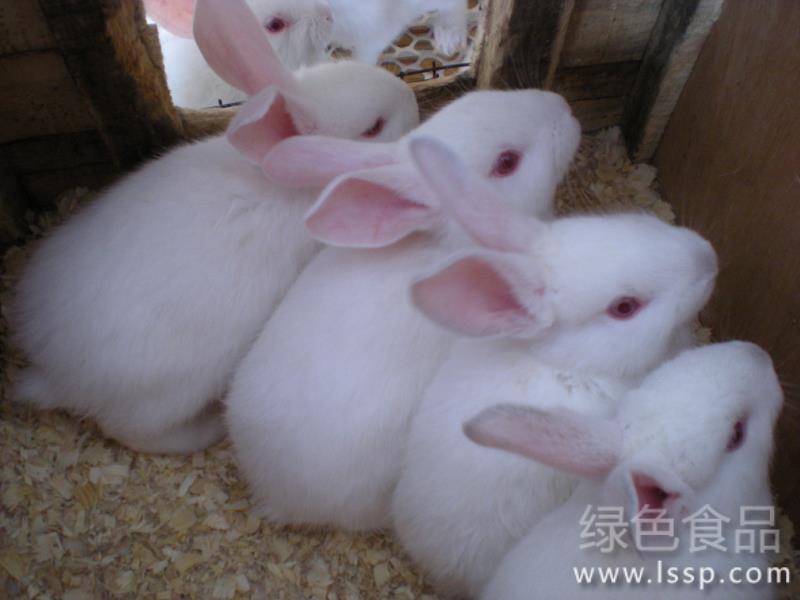
Angora rabbits cannot tolerate high summer temperatures; how can summer management be done well?
Summer heat is unsuitable for Angora rabbits; how can summer management of Angora rabbits be done well
-
There is more to feeding rabbits than meets the eye: do these five checks for scientific feeding
First, check the rabbit's size. An adult rabbit weighing about 3.5 kg needs 150-200 g of feed per day; a young rabbit weighing about 1.75 kg needs 100-150 g of feed per day. The feed should be of a moisture level that it forms a ball when gently squeezed and falls apart when the hand is released. Second, check whether the rabbit is fat or thin. For a fat rabbit, appropriately reduce the amount of concentrate feed and increase green feed or roughage; for a thin rabbit, supplement nutrition and feed more concentrate, and you can also feed some soaked soybeans, or mash bean dregs, mix them with boiling water, and stir them into the feed to give to the rabbit. Third, check whether the droppings are dry or wet. If the rabbit's drop
-
Etiological Analysis of Moldy Forage Poisoning in Rabbits During the Rainy Season
Entering the rainy and humid season, especially in the month, readers from various places call frequently for consultation, rabbit diseases occur frequently, and losses are continuous. The symptoms are mainly listlessness, trembling, paralysis, limpness, drooling, diarrhea, and so on. The disease looks similar to heatstroke, and before death it also resembles coccidiosis. However, comprehensive analysis shows that it is actually caused by mold poisoning. Because the onset is acute, death is fast, losses are heavy, and the scope of danger is wide, this article is written as a warning. 1. Etiological analysis: In the month, with abundant rain, high temperature, and muggy humidity, if forage is stored improperly, it is very easy to heat up, ferment, and become moldy, producing fungal toxins, especially aflatoxin.
-
Symptoms and Prevention and Treatment Methods of Bordetella bronchiseptica Infection in Rabbits
[Pathogen] Bordetella bronchiseptica, an oval to rod-shaped pleomorphic small bacillus, Gram-negative, often showing bipolar staining. [Epidemiological characteristics] This disease occurs mostly in spring and autumn when the climate changes easily, and infection mainly occurs through the respiratory tract. The pathogen often parasitizes the respiratory tract of domestic rabbits, so when the body's resistance is reduced due to factors such as sudden climate changes, colds, and parasitic diseases, or when other predisposing factors such as dust and strong irritating gases make the upper respiratory tract mucosa vulnerable, the disease is easily triggered. The rhinitis type is often endemic
-
Grass Species for Cattle, Sheep, Pigs, Rabbits and Geese and Their Cultivation Techniques
1. Growing grass to feed cattle: Mexican corn, alfalfa (Medicago sativa), tall fescue (Festuca arundinacea), napier grass (Pennisetum), Sudan grass (Sorghum sudanense) and others may be chosen; succulent leafy forage grasses with a high crude fiber content should not be planted. Mexican corn is suitable for planting in areas with annual rainfall of more than 800 mm and a frost-free period of more than 180 days. When the plant height reaches 1.5 m, it can be cut once a month. The dry matter of the forage contains 9.5% crude protein, 2.6% crude fat and 27.3% crude fiber. The stems and leaves are tender, crisp and juicy, sweet in taste and highly palatable, and are also suitable for silage or for curing into hay.
-
Summer rabbit-raising tips: how to raise rabbits well in hot weather
Summer has high temperatures and high humidity, which easily cause many adverse effects on rabbit production. Such as heat stress, decreased feed intake, slowed weight gain, reproductive disorders, etc. To minimize the adverse effects, the following measures are recommended: 1. Vigorously focus on heat prevention and cooling. Plant trees, forage grass, or some vine-type plants in the open space in front of the rabbit house; this can both shade and cool and green the environment. If the planting season has been missed, a shade shed 3-4 m high can be built. When the temperature inside the rabbit cage reaches 30°C, sprinkling water on the ground can also be used to cool it down, but when the house is humid, ventilation must be strengthened
条件筛选