-

Once you fall down the succulent rabbit hole, your wallet will never be the same
Follow Follow the Encyclopedia · Meet Beauty (WeChat ID: duoroubaike) The main text begins: Thanks to the author [] for the original submission and sharing. Submission date: 2018.04.14 Edited and compiled by: Encyclopedia Jun Location: Ji'an City, Jiangxi Province ...
-
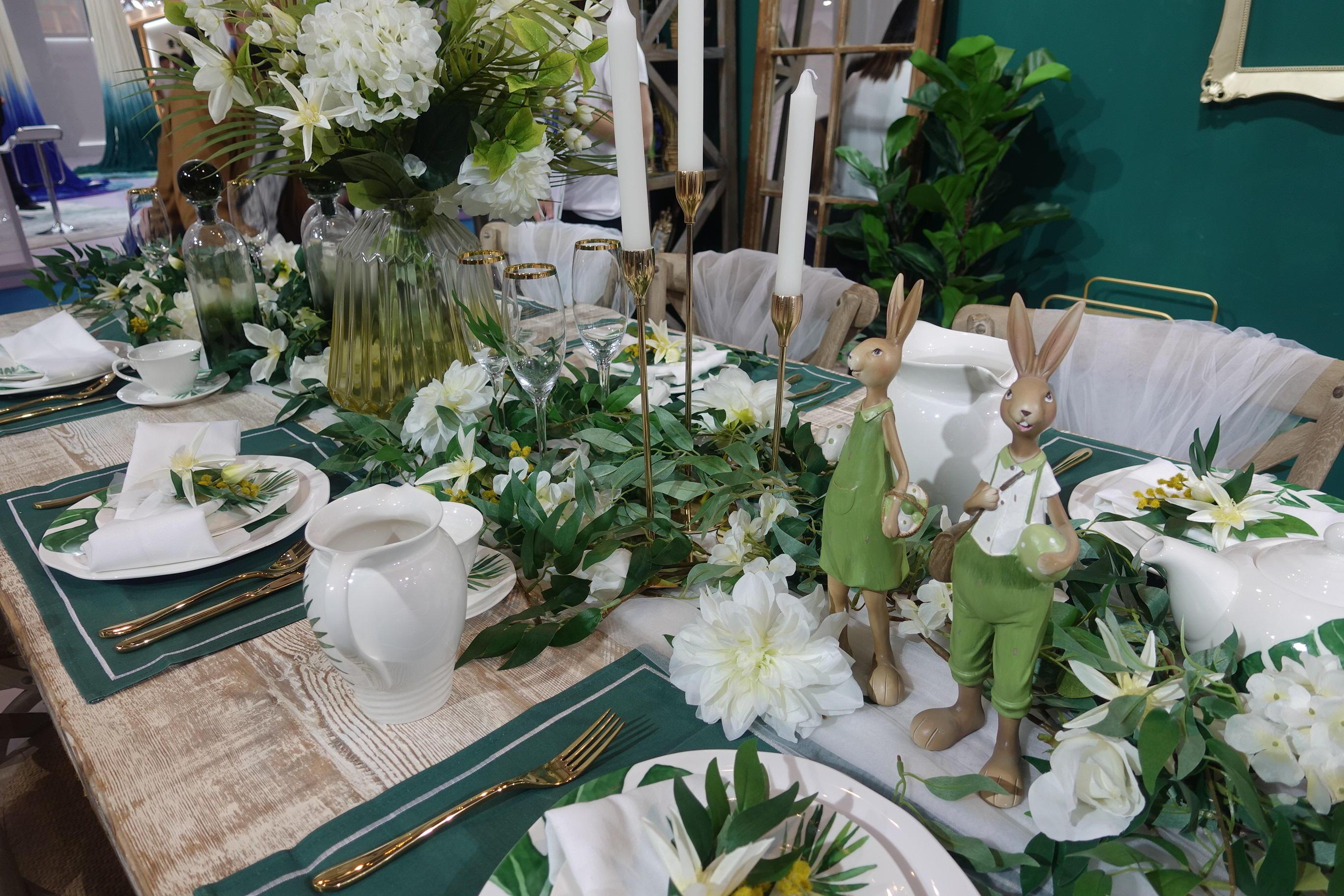
Would placing a pair of rabbit couple figurines among a pile of succulents make it look better?
These past few days I've been in Shanghai for a home decor expo, and for the last two days I've mainly been wandering around the Modern Shanghai Fashion Home Decor Expo. After two days of browsing, I still haven't had enough. The more I browse, the more I like it. I really want to buy everything at the expo and take it home! At a booth that mainly sells...
-
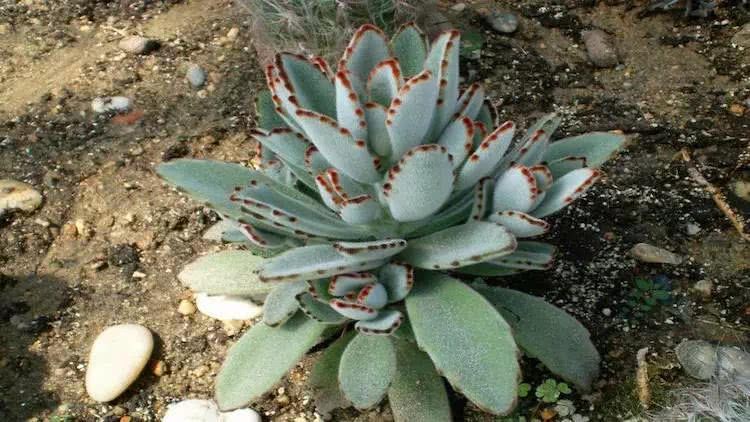
Rabbit Ears Kalanchoe: A Cute and Adorably Goofy Succulent
Rabbit Ears Kalanchoe, a succulent whose name alone makes it sound utterly adorable, is a succulent in the Crassulaceae family, Kalanchoe genus. Rabbit Ears Kalanchoe has the most hairs, the longest hairs, and the highest density; its leaf shape is longer and narrower than that of Kalanchoe tomentosa 'Angola', and the eyeliner-like markings on old leaves are obvious and connect with each other.
-

What is Monilaria obconica? An introduction to Mesembryanthemaceae succulent plants
Monilaria obconica, of the genus Monilaria in the family Mesembryanthemaceae (Aizoaceae), is native to South Africa. It is a very drought-tolerant succulent plant that prefers shade. Because its appearance looks very much like a little rabbit, soft and adorable, it is deeply loved by flower lovers.
-
Moon Rabbit Ears is a succulent in the Crassulaceae family - a complete guide to its care
Moon Rabbit Ears is native to the dry regions of central China and Madagascar. The leaves are covered in fuzz, like rabbit ears, grayish-white with brown spots interspersed, and it branches easily. It belongs to the summer-growing type among succulents, growing vigorously from late autumn to early spring. It likes a sunny environment, and when sunlight is ample, brown markings appear on the leaf tips. In summer, give it appropriate
-
-
条件筛选