-

Remembering comrades while getting rich, protecting ecology while developing
Remembering comrades while getting rich, still protecting ecology while developing
-
Protecting farmers' interests requires the right approach
Protecting farmers' interests requires the right way of going about it
-
What are some practical methods for protecting fish and soft-shelled turtles from the cold in winter?
1. Pond selection: Choose a deep-water pond (over 2 m deep) that is sheltered from the wind and faces the sun for natural overwintering. The water in the overwintering pond should not remain stagnant for long periods; usually replace part of the pond water every 20 to 30 days, each time replacing 1/4 to 1/5 of the total pond water, to prevent pond water contamination. 2. Set up windbreaks and cold-shelter holes: On the north side of the pond, a 2 m high windbreak can be built from straw or soil, and on the east and west sides, earthen walls sloping toward the south can be built in a dustpan shape to reduce the impact of the north wind, so that when a cold wave strikes, the water temperature will not drop significantly. Around the pond,
-
Technical Guidelines for Protecting Cotton Seedlings in Spring Planting
"Half the yield comes from good seedlings." Since late March, cotton sowing has been rolled out across the country. Because cotton prices opened high and kept rising last year, cotton production has shown a recovery trend this year, seed markets in various places started early, and seed sales have rebounded noticeably. In view of last year's abnormal climate, with rainy and low-temperature autumn weather, many rotten bolls and generally poor seed quality, plus the low temperature and drought of last winter and this spring, preparations must be made in advance and active responses taken to unfavorable weather of low temperature, drought or high humidity. According to forecasts from the Central Meteorological Observatory, there is a high probability of high temperature and drought this spring, so it is even more necessary to lay a
-
Key technical points for preventing five hazards and protecting three types of seedlings in cotton seedling beds
Common problems in cotton nutrient bowl seedling beds are mainly manifested as drought, waterlogging, disease, fertilizer, pesticide and frozen seedlings, burned seedlings, and spindly seedlings. 1. Prevent the "five hazards" 1. The water content in the bowls should be moderate. The nutrient bowl seedling bed should be selected in a place convenient for both drainage and irrigation. The water content in the bowls is best when the soil can be pinched into a ball by hand and falls apart upon hitting the ground; 2. After sowing cotton and covering with soil. Water thoroughly in one application, and water until it slowly infiltrates downward; 3. After covering with film, ensure sufficient soil moisture. Do not uncover the film at will, and do not uncover the film until the seedlings emerge completely; 4. Around the seedling bed, drain surface water and filter waterlogged water
-
Detailed Explanation of Key Techniques for Building a Goji Berry Garden-Protecting Fence
Goji berry (Lycium barbarum) is a perennial vine-like trailing plant with extremely strong adaptability. It can grow vigorously and flower and fruit normally in fertile soil, poor soil, sandy soil and saline-alkali soil (pH 4-10.5) across regions ranging from high temperatures of 40°C in the south to low temperatures of -43°C in the north. Its fruit is an important traditional Chinese medicinal material. The tender stems, leaves, flowers and fruits (dried for winter use) can be used in congee, soup, tea, wine or eaten dry without any side effects, making it a nourishing tonic suitable for all four seasons. It is of great significance for enhancing human immunity and promoting good health.
-
What are the effective methods for protecting pepper seedlings from freezing in winter?
During winter pepper seedling raising, sudden cold waves often strike, the temperature drops abruptly, and the seedlings are prone to freezing damage. If the temperature drops slowly, they are less likely to freeze. If the temperature is not very low but lasts for a long time, especially when low temperature is accompanied by rain, a condition known as "wet cold", the seedlings are also very prone to freezing damage. The severity of freezing damage to the seedlings is also related to how quickly the temperature rises after the low temperature. If the temperature rises slowly, the seedlings thaw slowly and easily regain their vitality. If the warming and thawing are too
-
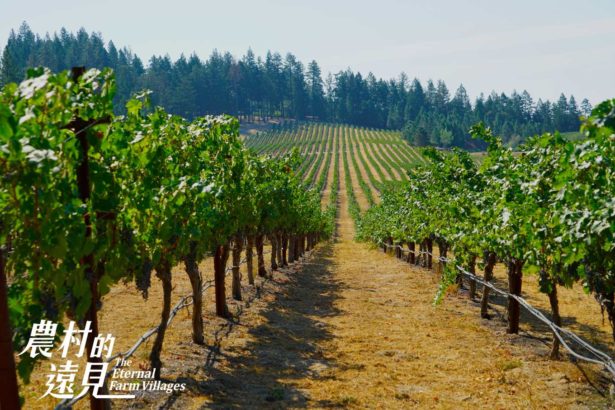
Rural Vision 07 | Napa Valley, USA: Only by protecting the terroir can there be fine wine! Farmland can only be used for farming, and wineries cannot serve as B&Bs or hotels
Rural Vision 07 | Napa Valley, USA: Only by protecting the terroir can there be fine wine! Farmland can only be used for farming, and wineries cannot serve as B&Bs or hotels
-
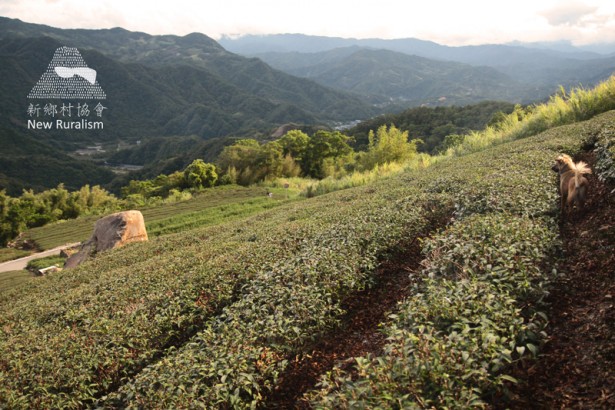
Pinglin promotes Taiwan Blue Magpie Tea, growing good tea while protecting good water
Pinglin promotes "Taiwan Blue Magpie Tea", growing good tea and protecting good water
-
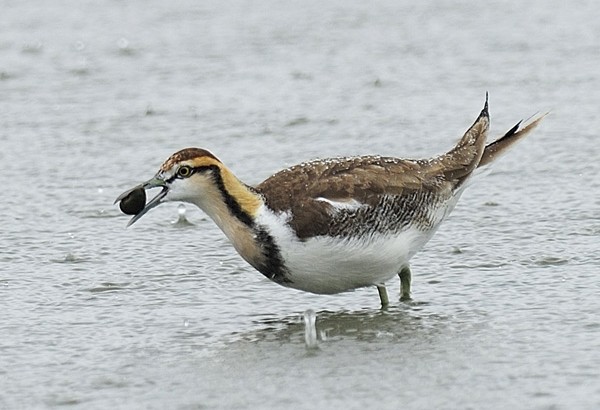
Farming also means protecting habitats: join hands to safeguard the rare pheasant-tailed jacana and the banded crake
Farming while protecting habitats: everyone, please join hands to safeguard the rare pheasant-tailed jacana and the banded crake
条件筛选