-

Will Kalanchoe freeze to death in winter? Winter freeze protection and care methods
Will Kalanchoe freeze to death in winter
-
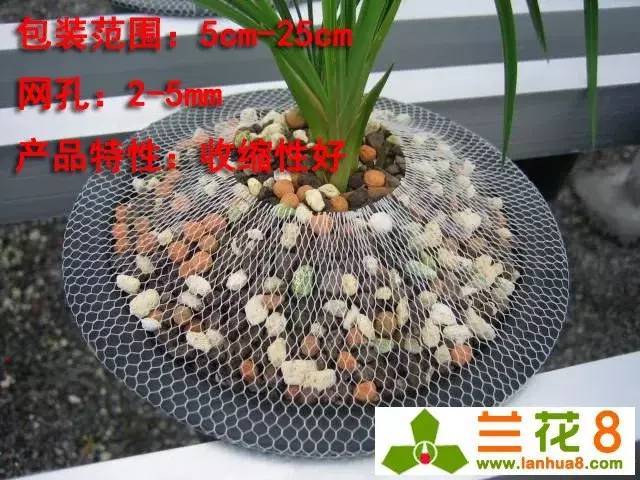
Protective mesh sleeve for orchid plants to keep potting mix from spilling out
Did you like this article? Share it right away so more people can see it! Our site is packed with rich, in-depth content, and our editors hand-pick the hottest news every day, updated at any time. Click "Be the first to get the latest news" to browse! Please continue...
-

What are the measures for overwintering and freeze protection of sugarcane? Master these methods for a safe winter
Sugarcane overwintering and freeze protection measures
-

What Causes Cherry Fruit Cracking? Detailed Explanation of Causes and Protective Measures
Causes of Cherry Fruit Cracking and Protective Measures
-

A detailed guide to winter frost protection methods for citrus, helping fruit trees overwinter safely
Winter frost protection methods for citrus
-
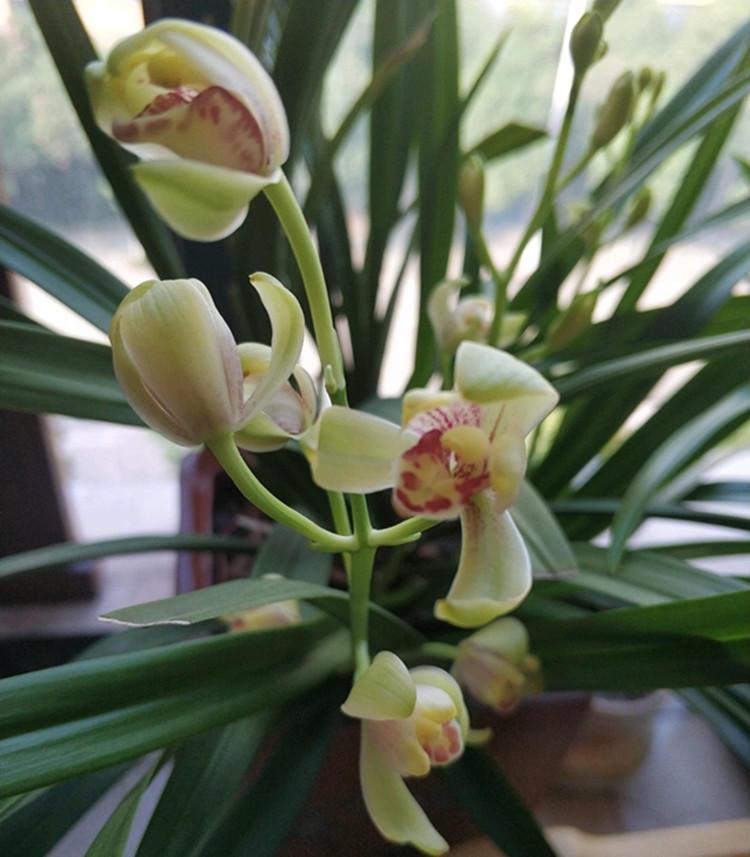
How to grow orchids so they bloom nonstop? 3 measures to protect the flowers
As the saying goes, growing orchids takes a hundred days, but enjoying the flowers lasts only a moment. On the journey of growing orchids, flower lovers have poured in their effort, sweat, and deep affection for orchids. From the emergence of flower buds and their development to blooming, the process can take as long as half a year for some, and finally seeing the orchid...
-
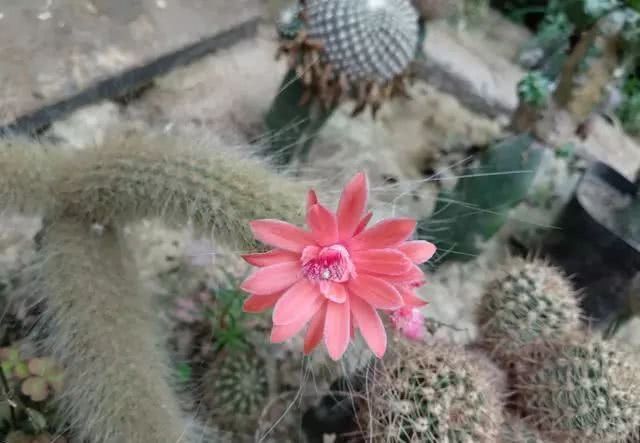
Can a cactus protect against radiation? The truth turns out to be this
A flower friend asked, does a cactus really protect against radiation? With a question like that - many plants do have radiation-protection functions. But have you ever thought about it? A plant's volume is limited. Its radiation-blocking surface is limited too. If you sit next to a computer, and place a pot of radiation-protecting plant beside the computer, say a cactus, how much radiation can it actually block for you? Unless you cover the entire computer screen in front of you with radiation-protecting plants. That way it could completely block the radiation. But then how would you look at the computer screen?
-
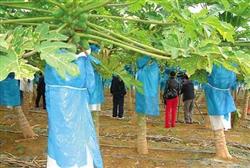
How to Protect Papaya from the Cold in Winter? Detailed Guide to Frost Protection Methods
Papaya is a tropical crop that thrives in hot climates and is intolerant of low temperatures and frost. When the temperature drops below 5°C, frost damage occurs, so it is very important to take the following protective measures: Apply a heavy overwintering fertilizer. For each tree, apply 10-15 kg of organic fertilizer made from a mixture of decomposed human and animal manure and plant ash, plus 1.5 kg of phosphate fertilizer, at a distance of 80-100 cm from the main trunk, dig a ring-shaped trench 20 cm deep and 35 cm wide, mix the fertilizer thoroughly with the soil that was dug out, and then fill it back into the trench.
-

To grow strong cotton seedlings, the seedbed must be protected against five major threats
Common problems in cotton nutrient-cup seedbeds are mainly manifested as drought, waterlogging, disease, fertilizer burn, herbicide damage, and cold damage to seedlings, heat injury to seedlings, and spindly seedlings. The preventive measures are as follows: The moisture content of the cup soil should be moderate. The nutrient-cup seedbed should be located where both drainage and irrigation are convenient. The ideal moisture content of the cup soil is such that it forms a ball when squeezed by hand and breaks apart when dropped to the ground. ...
-
Technical Recommendations for Spring Protected Cultivation of Hami Melon
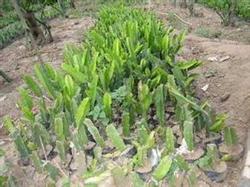
Pitaya (dragon fruit) is a perennial succulent-stemmed plant in the Cactaceae family, with a plant height of over 2 m, growing in very loose, porous, fertile sandy soil, intolerant of waterlogging, and growing well at 28°C to 38°C. I. Cuttings are most suitable in spring and summer; for cuttings, select fully developed stem segments, and the discarded branches cut off can also be used for cuttings...
条件筛选