-

Linfen Yao Jujube: Variety Characteristics and Producing Area Introduction
Legend has it that Linfen was the ancient capital of Yao, so the jujubes produced here are called "Yao Jujube." Yao Jujube is known for its large size and thick flesh. The skin of the fresh jujube has slight cracks, and sugary liquid seeps from the cracks; when bitten, it is crisp, sweet, and fragrant. After drying, Yao Jujube takes on a glossy purplish-red color, and the flesh looks as if it has been steeped in oil, able to pull out golden honey threads. Whether eaten fresh or dried, Yao Jujube is equally sweet. Eaten fresh, it is juicy and crisp; a gentle bite fills the mouth with jujube juice, sweet and fragrant. Eaten dried, it is soft yet chewy, full of elasticity, and the more you chew, the more fragrant it becomes, making people reluctant to swallow.
-
What are the operating steps for producing herbal tea?
1. Medicinal material pretreatment: Remove impurities (small stones, grass, clumps of dirt, etc.) from each Chinese medicinal material raw material as well as deteriorated and non-compliant raw materials (insect-damaged, moldy, etc.). Among these, Mesona chinensis (Chinese mesona) needs to be cut into small sections, and monk fruit needs to be crushed for later use. 2. Weighing: Accurately weigh each raw material (when weighing, select different measuring instruments according to the different amounts of each raw material, and they should be consistent with the measuring instruments selected for re-weighing), and store them separately in different containers for later use. Carefully keep weighing and rechecking records. 3. Rinsing: Place each medicinal material separately
-
Biotech pigs capable of producing a cerebral thrombosis treatment drug have been successfully bred by South Korean scientists
South Korean scientists have successfully bred "biopigs" that produce a cerebral thrombosis (cerebral hemorrhage) treatment drug through their urine. The South Korean Rural Development Administration recently stated: "By injecting the genetic gene for treating cerebral thrombosis (TPA) into pig fertilized eggs, we successfully bred 4 pigs that can excrete cerebral thrombosis treatment substances through their milk and urine." South Korea has become the world's second country after the United States to breed, through genetic modification, animals capable of producing cerebral thrombosis treatment substances. The United States, in 1997, through genetic modification technology,
-
Producing Rhododendrons for Landscaping: Topiary Is the Direction, Don't Use Wild-Collected Rootstock
Regarding the phenomenon of some nursery growers using wild rhododendrons as rootstock to cultivate topiary rhododendrons for landscaping projects, Li Yong, secretary-general of the Rhododendron Branch of the China Flower Association, recently stated: topiary is currently an effective way to increase the added value of landscaping rhododendrons, but the practice of using wild-collected rootstock for grafting is not advocated. It is understood that although there are not many nurseries in China mainly growing rhododendrons for landscaping projects, many places in the south have already achieved year-round supply. Therefore, in the absence of disasters, the domestic supply of landscaping rhododendrons is currently basically saturated
-
Method for trial-producing rutaceous tea from mandarin orange flowers
Mandarin orange flowers contain sugars such as fructose and glucose that aid digestion and promote health; phosphorus, which has a stimulating effect on the nerves; multiple vitamins that resist capillary fragility; large amounts of rutin and aromatic oils that soothe the liver and purge the lungs and help regulate qi and resolve phlegm, as well as starch and other substances, making them highly nutritious. At the Shili orange orchard in Liangshitang, Shaodong County, we watched as nearly 300 dan of flowers removed from more than 100,000 young Wenzhou mandarin orange trees not yet intended for production were wasted for nothing, which was truly a pity. After repeated trials, we roughly produced some "rutaceous tea." "Rutaceous tea" is simple to make. Take 9 parts tea leaves
-
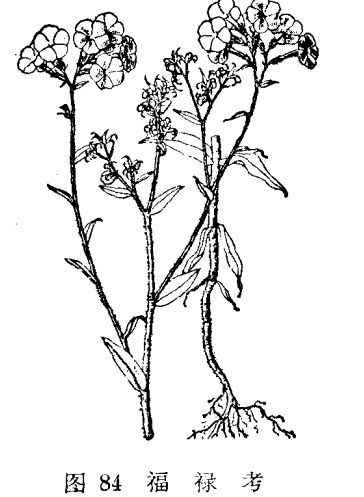
Where is the main producing area of Phlox? Detailed explanation of planting methods
[Aliases] Grass oleander, foreign plum blossom, bellflower pink. [Family and genus] Polemoniaceae, genus Phlox. [Morphology] Annual herb, plant height 15-45 cm. Stems erect, much branched, with glandular hairs. Basal leaves opposite, others occasionally alternate, broadly ovate, oblong to lanceolate. Cyme terminal
-
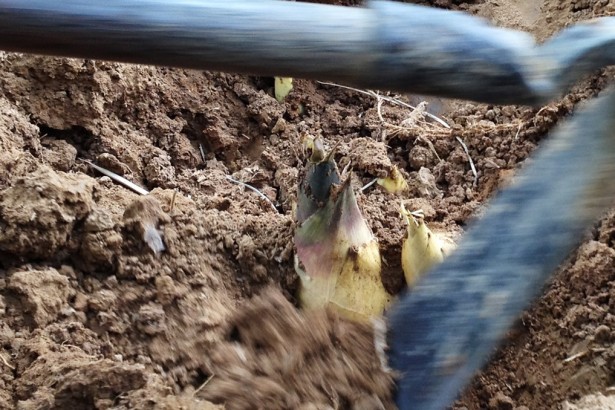
The Benefits and Effects of Green Bamboo Shoots, Market Prices, and an Introduction to Their Producing Areas
[Grain in Ear Seasonal Good Food]Green Bamboo Shoots
-
Peanut Cultivation Distribution Areas and Main Producing Regions
Peanuts are grown in many parts of our country. The province with the largest planting area is Henan, followed by Shandong, Hebei, Guangdong and other places where peanuts are also widely grown. Therefore, as a cash crop, the peanut's position is quite solid, and many people grow it
-

Where is the water caltrop a specialty? Detailed introduction to its main producing areas
Where is the water caltrop a specialty?
-

Where is the origin of Jiaogulan? Introduction to the distribution of its main producing areas
Where is the origin of Jiaogulan?
条件筛选