-

A Detailed Guide to the Harvesting, Processing and Storage of Scorpion
Scorpion, also called quanchong, is the dried whole body of the East Asian scorpion of the family Buthidae. 1 Harvesting The time for catching wild scorpions is generally from after they emerge from hibernation to before they enter it. Every year in mid-to-late April, that is, around "Grain Rain". At this time the scorpions have just emerged from hibernation, their bodies are plump and thick, there is no food in their abdomens, and there are few impurities; after processing the quality is good and the weight is high, and they are usually called "spring scorpions". Therefore, Shandong often takes the purchase of "spring scorpions" as the main season. At this time the scorpions have just emerged from hibernation and are not active, and the green grass has just sprouted, so the scorpions are easy to find and easy to catch."
-
Taiwan's down processing leads the world; the Council of Agriculture guarantees humane electric stunning slaughter means no blood down
Taiwan's down processing technology leads the world, with humane electric stunning slaughter to obtain down; the Council of Agriculture guarantees: you will never buy "blood down"
-

In 2020, the Processing Zone Defied the Pandemic and Saw a 4-Fold Increase in Investment
The Export Processing Zone Administration (EPZA) of the Ministry of Economic Affairs held its 109th year-end press conference on the 29th. At the conference, Director-General Huang Wengu revealed that the bill to rename the processing zone had recently passed review by the Economics Committee of the Legislative Yuan, and once the bill passes its third reading, the park...
-
Raccoon Dog Feed Processing Methods and Technical Key Points
Raccoon dog feed includes animal-based feed, plant-based feed and supplemental feed. The supply and composition of feed have a great influence on the health, reproduction and fur quality of raccoon dogs. To practice scientific raccoon dog farming, one must understand the effects of feed nutrients on raccoon dogs, so as to reasonably and correctly formulate and process feed, and obtain the best economic benefits with the least feed consumption. Therefore, the processing and preparation of feed is very important. (1) Processing of fish and meat feed Fresh marine mixed fish, meat, liver, kidney, heart and fresh blood of healthy animals, etc., remove large pieces of fat, fully wash away soil and impurities, then mince and feed raw. Fish and meat feed of poorer quality but still usable must first be fully washed with clean water, then soaked and disinfected in a 0.05% potassium permanganate solution for 5-10 minutes, and washed again with clean water before being minced and fed. Severely spoiled fish and meat are prohibited from being processed and used. The intestines, spleen, lungs and other offal of freshwater fish and poultry must be fed cooked. Cysticercus-infected pork (measly pork) can be processed and used after high-pressure steaming or thorough cooking and removal of fat. Fish meal and meat-and-bone meal should be soaked for 3-4 hours, with water changed 2-3 times, to remove excess salt before being mixed with other feed and fed. Blood meal and liver residue meal should be steamed and cooked before use. Silkworm pupae should be fully soaked, de-alkalized, then steamed, cooked and minced before use.
-
Detailed processing method introduction for butterfly pig head
The butterfly pig head has a cured yellow color, a delicious and mellow aroma, a purplish-red tint, and is fatty but not greasy, and is deeply loved by consumers. (1) Material selection: choose healthy, disease-free pig heads with no injuries or disabilities, a full head, moderate size, and intact ears, nose, and mouth. (2) Ingredients: for every 50 kg of fresh pig head meat, use 4 kg of refined salt, 50 g each of Sichuan pepper, ginger, and star anise, 150 g of baijiu, 25 g of saltpeter, and an appropriate amount of spices. (3) Preparation: debone the pig head, pluck clean the fine hairs, remaining hairs, and hair roots on the scalp, and rinse clean with 40°C warm water. (4) Curing: evenly coat the washed and drained pig head with the ingredients
-
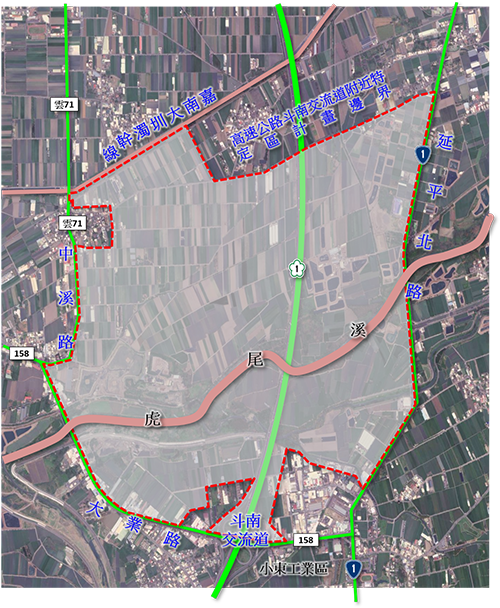
Dounan Interchange Specific District Industrial Zone Fosters Smart Food Processing and Warehousing Park
National Highway No. 1 Zhongshan Freeway opened a new era for Taiwan's transportation and industrial development, and among its interchanges, Dounan Interchange plays one of the key roles as a hub for regional development. Yunlin County is actively promoting the Dounan Interchange Specific District Industrial Zone, which will be developed through urban...
-
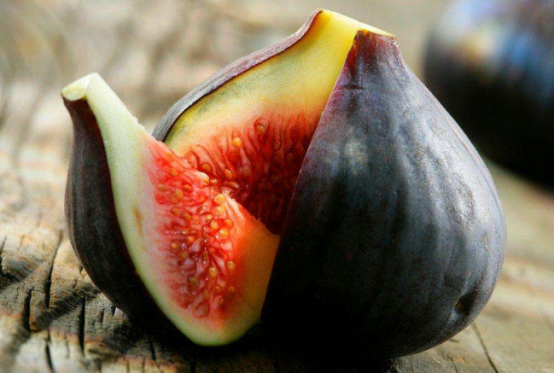
A Detailed Explanation of Two Processing Technologies for Fig Products
Introducing two processing technologies for fig products
-
Mulberry cultivation and processing quietly develop, and one mulberry tree forges a path to prosperity
Mulberry cultivation and processing are quietly developing, and one mulberry tree has forged a path to prosperity
-
Key Points and Detailed Operation Methods of Lily Whitening Processing Technology
Lily is one of the important health vegetables. The traditional processing method is to blanch the harvested lily and then dry it in the sun. Lily dried by this method still has a relatively high moisture content, is not resistant to storage, and is prone to discoloration. In the past, people used sulfur fumigation to maintain the whiteness of lily, but lily processed by this method is harmful to people's health. Now the dehydration method is used to dry lily, the moisture content is low, and after color protection, blanching and dehydration, discoloration is not likely to occur, which better solves the quality and safety problem of lily caused by sulfur fumigation.
-
Processing Methods and Technical Key Points for Sweet Potato Chips
1. Process flow: raw material selection -- cleaning -- slicing -- color protection -- dehydration -- vacuum frying -- de-oiling -- cooling -- packaging 2. Operating key points: (1) Raw material selection: select fresh, plump, firm-fleshed oval sweet potatoes that are free from mold, rot, pests, diseases and mechanical damage. (2) Cleaning: first soak the sweet potatoes in clean water for 1-2 hours, then remove the sand, mud and debris from the tubers by hand or with a washing machine, then remove the skin layer of the sweet potatoes with a stainless steel knife and quickly immerse them in clean water. (3) Slicing and color protection
条件筛选