-
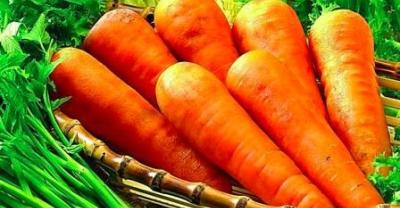
Harvesting, Storage, Fresh-keeping and Processing Methods of Taro
Taro is a perennial herbaceous hygrophytic plant of the Araceae family, native to China, India, the Malay Peninsula and other places. At present, in China it is mainly distributed in South China, Southwest China...
-

How can Zhejiang Jinhua finger citron deep processing break through the bottleneck?
Zhejiang Jinhua finger citron deep processing seeks a breakthrough
-
Wild Edible Mushroom Processing Industry in Xiangyun County, Yunnan Attracts French Experts for Inspection
French Experts Visit Xiangyun County, Yunnan to Inspect Wild Mushroom Processing Industry
-

Central Asia Grain, Oil, Storage and Processing Industrial Park to Be Established in Lanzhou New Area
The Central Asia Grain, Oil, Storage and Processing Industrial Park project in Lanzhou New Area was officially signed recently. The project mainly revolves around imported grain from Kazakhstan, expanding the upstream and downstream industrial chains, and building...
-
Detailed Explanation of the Processing Technology for Dry-Packed Salted Almond Canned Goods
(1) Process flow: Raw material acceptance → sorting → cleaning → peeling → rinsing → color protection → pre-boiling → soaking → re-boiling → grading → seasoning mixing → canning → exhausting → sealing → inspection → sterilization → cooling (2) Description of operating points (1) Raw material acceptance: Use fresh, plump, dry almonds with white kernel flesh, free from insect damage, mold, and foreign matter. (2) Sorting: Remove insect-damaged, moldy, shriveled, broken and other substandard kernels and foreign matter. (3) Cleaning: Put the
-
A Detailed Guide to Snake Farming Techniques and Processing Methods
Snakes are a precious biological resource. Snakes can be eaten, used for medicine, used to make musical instruments, and so on; the whole body is a treasure, and they are praised as a "mountain delicacy." Snakes sell well and fetch high prices. In China, the purchase price per kilogram of live snakes and snake meat is 40-60 yuan; for the five-paced snake (Deinagkistrodon acutus), it is 250-400 yuan per kilogram; 1 gram of banded krait (Bungarus multicinctus) toxin is priced at 1000 yuan; raw snake gallbladder reaches as much as 2000-3000 yuan per kilogram. On the international market, 5 grams of snake venom is priced at as much as 1000 US dollars, 20 times more expensive than gold. Farming snakes artificially has a short cycle and high returns, and is a good way for farmers to escape poverty
-
Detailed Explanation of the Processing Technology and Production Method of Chestnut Fruit Tea
(I) Overview The chestnut is a famous and high-quality dried fruit in China, rich in nutrients. The chestnut kernel has a high content of amylopectin, with a fine, powdery texture. Eaten raw or cooked, it is sweet, glutinous, fragrant and crisp, with an excellent flavor, and is deeply loved by people. The chestnut also has considerable medicinal and health-promoting effects. According to the ancient text "Dian Nan Ben Cao" (Materia Medica of Yunnan), the chestnut is sweet and warm in nature and flavor, and has the effects of benefiting qi, strengthening the stomach and intestines, tonifying the kidney, strengthening the tendons, and invigorating blood circulation. (II) Raw Materials and Formula Chestnut: 15%; carrot: 3%; granulated sugar: 4%; milk powder: 2.5%; ethyl maltol:
-
A Detailed Guide to Yellowfin Tuna Processing Techniques and Methods
Yellowfin tuna is an oceanic fish, generally living in tropical and temperate waters. Its main habitat range is usually at depths of 50m to 250m, and the depth also depends on the season and different regions of the sea surface. The catch from tuna longline fishing is mainly yellowfin tuna and bigeye tuna. These two fish account for more than 80% of the catch and have high commercial value. Bigeye tuna is usually kept refrigerated and processed into sashimi, while yellowfin tuna is frozen and stored on freezer vessels, then sold to seafood companies to be processed into fish fillets for sale. Yellowfin
-
What are the processing methods for geraniums?
Processing of geraniums: Potted geraniums are suitable for placement in public places such as halls, dining cars, and conference venues, creating a warm and lively atmosphere. They are even better for accenting home balconies, windowsills, and desks, blooming continuously all year round and presenting a thriving scene. Planted in scattered groups or arranged in the open ground, decorating rock gardens, flower beds, or flower borders, they can also show off the beauty of the geranium's plant form and color.
-
Key Processing Technology Points for Clarified Peach Juice Beverage
(1) Process flow: Raw material selection → fruit washing → pulping → enzymatic hydrolysis → juicing → clarification → blending → degassing, sterilization → filling, sealing. (2) Technical points: ① Raw material selection: Select well-ripened fruit; if ripeness is low, post-ripening is required. Remove diseased, insect-damaged and rotten fruit. Rinse clean with clean water. If there is too much peach fuzz, it can be washed off with detergent, then rinsed clean with clean water. ② Pulping: After washing, the peach fruit is directly pulped with a pulping machine to separate the skin and pit. Alternatively
条件筛选