-
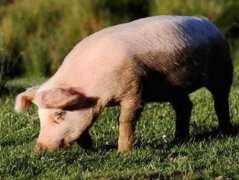
What is pica in pigs and poultry? Prevention and treatment methods explained
Have you ever noticed when raising pigs that they can get a very strange disease, which turns out to be pica? What kind of disease is this, and how should it be prevented and treated? When pigs crave and eat things they normally do not eat, it is called pica. Pica is a symptom caused by metabolic disorders and nutritional deficiencies.
-
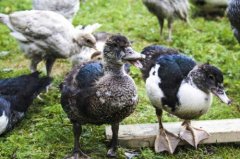
What Are the Key Points of Duck Farming Methods and Disease Prevention
Nowadays, the economic income from duck farming is quite high, so there are also many farmers raising ducks, but raising good ducks is not easy. So how should you raise them? There are many problems in the farming process, and below we will solve these problems for you. Ducks grow fast,
-

Methods and Technical Key Points for the Prevention and Control of Pests and Diseases in Polygonatum
(1) Black spot disease occurs mostly in spring, summer and autumn, and damages the leaves. Control methods: clean the garden at harvest time to eliminate diseased plant residues; in the early stage, spray 1:1:100 Bordeaux mixture once every 7 days, for 3 consecutive times. (2) White grubs damage plants in the larval stage, attacking the roots, biting off seedlings or gnawing the seedling roots, causing broken seedlings or cavities in the roots, and the damage is severe. Control methods: seed dressing with 75% phoxim emulsifiable concentrate at 0.1% of the seed amount; or during the field occurrence period, drench with 90% trichlorfon at 1000 times dilution.
-
What to Do About Dead Straw Mushrooms? A Detailed Guide to New Prevention and Control Techniques
I. Causes of Dead Straw Mushrooms 1. Poor coordination between ventilation and moisture retention in the mushroom house. Straw mushrooms are aerobic fungi and need plenty of water; too much ventilation easily leads to water loss and death. Insufficient ventilation easily causes excessive carbon dioxide and death from oxygen deprivation. 2. Sudden temperature changes in the mushroom house. In southern China, most straw mushroom cultivation uses foam mushroom houses, which play an important role in maintaining constant temperature and humidity. However, if doors and windows are not closed in time when a typhoon strikes, or heating is not applied in time when freezing damage occurs, or ventilation and cooling are not carried out early enough during sustained high temperatures, or too much well water is sprayed on the floor,
-
Six Key Prevention Techniques for Introducing Straw Mushrooms in Midsummer
Straw mushroom, also known as orchid mushroom, is one of the more commonly cultivated mushroom varieties in China. Straw mushroom contains Vc and a variety of amino acids, is rich in nutrients, and has a unique flavor; it is a variety with a short production cycle, quick results, low investment, and high returns. In the hot summer, fresh mushroom varieties are already rare on the market, but straw mushroom can not only regulate the supply of mushrooms during the off-season and meet people's growing living needs, but can also generate foreign exchange through export after deep processing. Straw mushroom is a saprophytic fungus, and it must absorb ready-made nutrients and water from dead plant matter and soil in order to live.
-
Key Technical Points for the Prevention and Control of Pseudomonas Infection in Mink
Pseudomonas infection in mink, also known as mink Pseudomonas aeruginosa infection or mink hemorrhagic pneumonia, is an acute infectious disease of mink caused by Pseudomonas aeruginosa of the genus Pseudomonas. The disease is characterized by difficulty breathing, hemorrhagic pneumonia changes and pulmonary edema, and hemorrhagic pathological changes in organ tissues, and often occurs as an endemic. 1. Pathogen The pathogen of this disease is Pseudomonas aeruginosa, also known as Pseudomonas aeruginosa, which is widely present in nature, and exists in animal feces, water and sewage. Gram-stain negative. Cultured on ordinary medium, it can produce yellow-green pigment, hence the name Pseudomonas aeruginosa.
-
Causes, Symptoms, and Prevention and Treatment of Cystitis in Dogs
[Causes] First, infection by pathogenic microorganisms, such as Escherichia coli, Staphylococcus, Streptococcus, Proteus, etc. Second, spread of inflammation from adjacent organs. Such as nephritis, ureteritis, prostatitis, urethritis, especially in female dogs with vaginitis or endometritis, the inflammation very easily spreads to the bladder and causes cystitis. Third, mechanical injury. Such as catheter injury, bladder stones, etc. can all stimulate the mucosa and cause inflammation. [Key Points of Diagnosis] The typical symptoms are
-
Prevention and Treatment Methods and Key Technical Points for Common Diseases in Foxes and Raccoon Dogs
From July to September, breeding foxes and raccoon dogs enter the recovery period, and the young enter the growing period. The common diseases in this period are mainly the following. (1) Heatstroke (sunstroke and heat exhaustion) This disease occurs in the midsummer season, when the temperature is too high and ventilation is poor, and the animal is exposed to direct sunlight, causing brain overheating (sunstroke) or the whole body being stimulated by heat (heat exhaustion). It usually occurs rapidly, and the mortality rate is very high. Foxes and raccoon dogs have extremely underdeveloped sweat glands and dissipate body heat slowly, making it very easy for their body temperature to rise, with listlessness, staggering
-
What to Do If a Fox Is Poisoned by Diphacinone? Detailed Prevention and Treatment Methods
Symptoms: Depression, loss of appetite, vomiting. Subsequently, pale conjunctiva, labored breathing, feces containing blood along with blood in the urine, and purple patches on the skin. In the later stage, cyanosis of the mucous membranes, a cold sensation in the extremities, difficulty breathing, struggling while lying down, open-mouthed breathing, and finally death by suffocation. Diagnosis: Based on the history of the affected fox eating diphacinone bait and the clinical manifestations, and through toxicological analysis of the vomit, a definitive judgment can be made. Treatment: Gastric lavage at the early stage of illness, intravenous injection of vitamin K three times a day for three to five consecutive days; at the same time, intramuscular injection of agrimony
-
Winter prevention methods for rabbit Bordetella bronchiseptica disease
Rabbit Bordetella bronchiseptica disease, also called rabbit bronchial septic Bordetella bronchiseptica disease, is a common respiratory infectious disease of rabbits caused by Bordetella bronchiseptica. The disease is characterized by chronic rhinitis, bronchopneumonia and pharyngitis. This disease occurs frequently in autumn and winter and early spring. It is mainly spread through the air and infects via the respiratory tract. The incidence rate is high in young rabbits, and there are fatal cases. Adult rabbits are less commonly affected. This bacterium contaminates 64.4% of group-raised rabbits and 20% of free-range rabbits. Under natural conditions, this bacterium is parasitic in the upper respiratory tract of many kinds of mammals, often causing mutual infection of chronic respiratory diseases.
条件筛选