-

When to Sow Early Rice? A Full Breakdown of Sowing Times
Rice is a cereal crop of the genus Oryza, with the representative species being Oryza sativa. Rice originated in China and India, and people in the Yangtze River basin of China were already cultivating rice 7,000 years ago. So when is early rice sown? 1. When is early rice sown? Under normal conditions, early rice is sown from
-
Differences Between Rice and Barnyardgrass and How to Identify Them
Rice is a cereal crop of the genus Oryza and is widely grown in China, but weeds such as barnyardgrass always appear in the fields. To prevent it from competing with rice for nutrients, it needs to be removed. However, they look similar, and people cannot tell them apart. Below is an introduction to the differences between rice and barnyardgrass
-
Use Sulfonamides with Caution When Treating Infectious Coryza in Chickens
The pathogen of infectious coryza in chickens is Haemophilus paragallinarum, and it is an acute upper respiratory tract disease with highly contact-based transmission. The disease tends to become epidemic in humid seasons, mostly occurs as mixed infections, and the incidence rate is high in adult chickens. Symptoms: nasal discharge, which forms scabs after drying and blocks the nostrils. Facial swelling, with swelling on one side of the face in most cases, head shaking, closed eyes and listlessness, preference for lying down, reduced feed intake, decreased egg production, and greenish watery droppings. Some chickens show respiratory symptoms such as coughing and sneezing. Treatment: Sulfonamides are highly effective, but they inhibit egg production, and laying
-
Which sulfonamide drugs should be used with caution in the treatment of infectious coryza in chickens?
The pathogen of infectious coryza in chickens is Haemophilus paragallinarum, and it is an acute upper respiratory tract disease with highly contagious transmission. The disease is prone to epidemics in humid seasons, mostly involves mixed infections, and the incidence is high in adult chickens. Symptoms: nasal discharge, which forms scabs after drying and blocks the nostrils. Facial swelling, mostly swelling on one side of the face, head shaking, closed eyes and listlessness, tendency to lie down, decreased feed intake, decreased egg production, and greenish watery droppings. Some chickens show respiratory symptoms, coughing, sneezing, etc. Treatment: sulfonamide drugs are highly effective, but they
-
How to prevent and treat chicken coryza? Detailed explanation of prevention and treatment methods
Prevention and treatment of chicken coryza
-
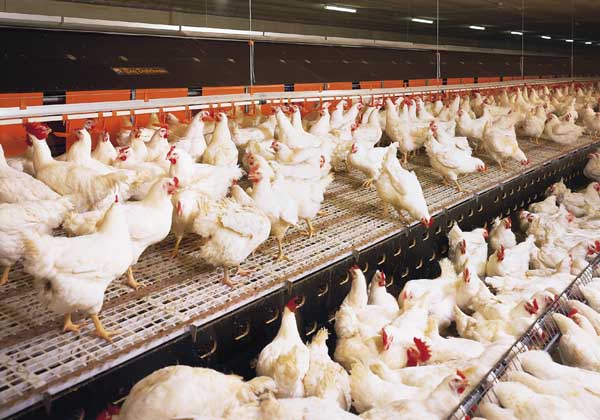
What are the treatment methods for infectious coryza in chickens?
Treatment methods for infectious coryza in chickens
条件筛选