-

How to Grow and Care for String of Buttons (Crassula perforata) and Notes, Plus Propagation and Pruning Methods
"How to Grow and Care for String of Buttons" The String of Buttons plant gets its name because the plant resembles strings of ancient coins, and it is one of the popular small succulents...
-
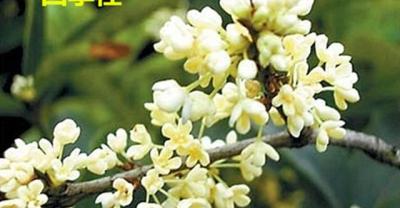
What should be noted when growing corn?
Recently, the weather in Northeast China has continued to be clear, the moisture content of wet grain has decreased, and prices have continued to rise! The life of corn goes through several stages: seed germination, emergence, jointing, differentiation and formation of tassels and ears...
-
-

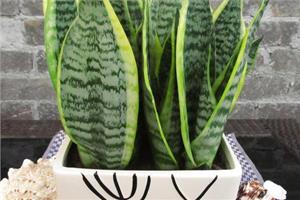
Key Points to Note in Bamboo Shoot Cultivation and a Detailed Guide to Growing Techniques
Key points to note in bamboo shoot cultivation
-
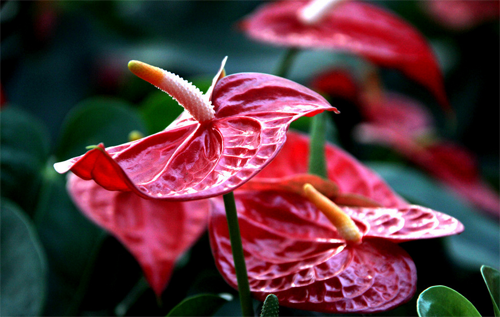
Why Do Anthurium Leaves Turn Yellow, Have Scorched Edges and Dry Up? Growing Methods and Points to Note
Everyone knows that anthuriums are very upscale and very classy, but anthuriums are not that easy to grow. With the slightest bit of neglect, the leaves turn yellow, develop scorched edges and dry up. How should this situation be handled? What points should be noted when growing anthuriums?
-
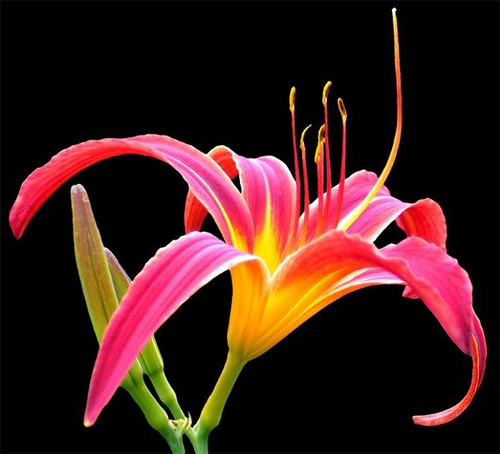
How to grow daylilies and points to note, and what other names do they have?
Daylilies are known in China as the mother's flower. Daylilies look much like what we usually call yellow flowers, the kind we normally see that can be used to make soup. So what are the growing methods and points to note for daylilies? And what other names do daylilies have? Daylily growing method: prefers a warm, humid environment
-
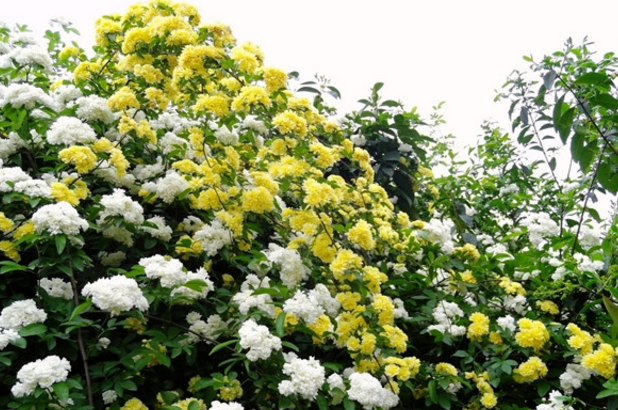
How to grow Orange Jessamine (Murraya paniculata) and things to note, and when does it bloom?
Orange Jessamine is famous for its fragrance, with a rich, highly enticing floral scent. Orange Jessamine (Murraya paniculata) has a graceful plant shape and elegant branches and leaves, with high ornamental value, and can also be made into bonsai for viewing. Do you still remember the song "Orange Jessamine" that Jay Chou made famous back in the day? Hearing this name now brings back a wave of memories. So you know the song,
-

-

Things to note when raising piglets in spring and summer, farmers should grasp them in advance
First, pay attention to temperature changes. In spring and summer, temperatures vary greatly, there is a lot of rain, and humidity is relatively high. Pigs prefer a dry environment, have little fat tissue, and piglets are prone to feeling cold. Therefore, the temperature inside the shed and the dry environment of the pen should be maintained. Second, pay attention to increasing protein feed. Especially for piglets that have undergone long-distance transport, due to stimulation such as wind-cold and the bumping of vehicles and boats, some piglets develop dysentery and diarrhea, reduced appetite, and weight loss. In addition to doing a good job of keeping the pen dry and warm, nutrition should also be supplemented in a timely manner.
-
Four things to note when harvesting rice, don't overlook these details
The following four points should be noted before and after rice harvest. 1. Drain early. Drain the water in the paddy field as much as possible; if necessary, dig ditches to drain the water in low-lying areas early and dry the field. 2. Harvest at proper maturity. For manual harvesting, do it when more than 95% of the rice husks in the field have turned yellow, the grains have hardened, and the rice grains are translucent. Mechanical harvesting can be a few days later. 3. Mind the method. Manual cutting and drying can increase the 1000-grain weight and raise yield, while the rice grain has good market quality and a high germination rate. When using a combine harvester, it is best
条件筛选