-
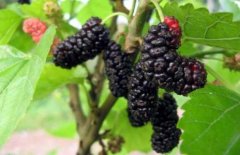
What nutrients do mulberry branches and mulberries each contain?
It is said that the mulberry tree is a treasure from top to bottom, so let's take a look at what functions the mulberry tree actually has and what nutritional value it offers. The bark and roots of the mulberry tree can be used in traditional Chinese medicine, known as mulberry white bark and honey-processed mulberry white bark; the leaves, dried and ground into powder, can also be used as medicine. The unripe fruit and the green branches of the mulberry tree contain a white latex, which may be slightly toxic and irritating. In addition, the pollen of the male flowers is relatively light and easily inhaled into the lungs, so individuals sensitive to it need to take care. The mulberry tree prefers fertile, well-drained loam, but can grow in a variety of soil types, with a pH of 5.5 to 6.5. Waterlogged areas should be avoided. The mulberry tree needs an average of about one inch of rainwater or irrigation per week; especially when watering is insufficient during the dry season, it may cause fruit drop. Iron, zinc, magnesium, barium, copper, and boron are the trace elements it needs, and organic fertilizers containing these elements can be purchased for use.
-
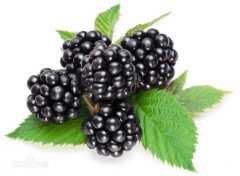
Are Blackberries Mulberries? Differences Between Blackberries and Mulberries and How to Eat Them
Blackberries and mulberries are two very similar fruits, so are blackberries mulberries? Actually, they are not. These two fruits are very different. So what are the differences between blackberries and mulberries? Let's take a look together. Fruit shape: When blackberries are ripe, whether in appearance
-

Where are mulberries grown, and roughly how much does one jin cost now?
Mulberry, also known as mulberry fruit, mulberry cane, mulberry jujube, mulberry berry, mulberry bubble, black mulberry and so on, is a relatively commonly eaten fruit. It ripens and comes on the market from April to June each year. It is generally eaten after being dried, and can also be used to make wine. Mulberries are planted in all parts of our country, so where are the mulberry
-
How to Grow Mulberries: Planting Methods and Precautions
Mulberries are deeply loved by consumers because of their high edible value and good taste. There are also many people who want to grow mulberries now. However, many people cause a series of problems during planting because their personal skills are not up to par, so how exactly should
-
Detailed Explanation of Key Points on Mulberry Cultivation and Silkworm Rearing Techniques
Planting mulberries and rearing silkworms already emerged in ancient times in our country. Our country can be called a major silk nation. Our country's silk is not only produced and sold domestically, but even exported far abroad. For so many years, silk has remained in a state of supply falling short of demand, so the market for silkworm rearing
-
When Is the Ripening Season for Mulberries in Southern China
Mulberries in southern China ripen every year from April to June. After harvesting, the ripe mulberries are cleaned of impurities, sun-dried or briefly steamed and then sun-dried for eating, and can also be used to make wine. Ripe mulberries are oily and moist in texture, with a pleasant sweet-and-sour taste; those that are large, thick-fleshed, purple-red in color and rich in sugar are considered the best. Mulberries are green when they first ripen
-
When do mulberries ripen in northern China?
Mulberries are sweet and sour and tasty, can be eaten directly, and have health-preserving benefits. But the mulberry fruit's ripening period is very short; if you miss it, you have to wait until the next year. So when do mulberries ripen in northern China? 1. When do mulberries ripen in northern China? Mulberries generally
-
Do mulberries need to be sprayed with pesticides when grown? A detailed explanation of pesticide use
In the process of growing mulberries, pesticides must be used frequently. Mulberry belongs to the herbaceous plants, the plants are relatively short, and the fruit is tender and juicy, all of which make it susceptible to pests, diseases, and microorganisms. Picking mulberries blindly to eat may very likely lead to poisoning or allergies.
-
When do mulberries ripen in northern China?
Mulberries in northern China ripen around April to June each year. The specific ripening time depends on the regional cultivation conditions and temperature changes, and northern regions are generally slightly later than southern regions. Benefits of mulberries 1. Mulberries improve blood supply to the skin (including the scalp), nourish the skin, help make the skin fair and tender and the hair dark, and can delay aging.
-
When do mulberries ripen in Shandong? Introduction to the harvest time
Mulberries generally ripen and are harvested from April to June each year. Ripe mulberries are glossy and oily in texture, with a sweet-and-tart flavor that is pleasant to the taste; the best ones are large, thick-fleshed, purple-red in color, and high in sugar. Mulberries are green when they first ripen, and after ripening they become fleshy and turn black-purple or red, with small seeds; the flowering period is
条件筛选