-
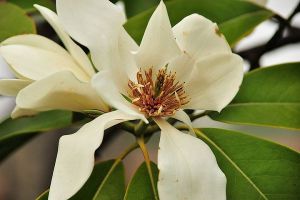
What to Do If Michelia maudiae (Himalayan Michelia) Has Root Rot? Cause Analysis and Treatment Methods
To deal with this situation, we need to handle it specifically according to the condition of the root rot. If the situation is not particularly serious, then you can simply adjust the watering and loosen the soil. After a while, the symptoms may gradually improve. However, if the situation is serious, then special measures must be taken - disinfect it. As for exactly what to do, just look at the introduction below.
-
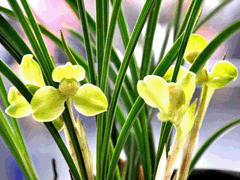
The Complete Encyclopedia of Secret Remedies for a Hundred Ailments: Practical Prevention and Treatment Methods for Common Conditions
"Secret Remedies for a Hundred Ailments"
-
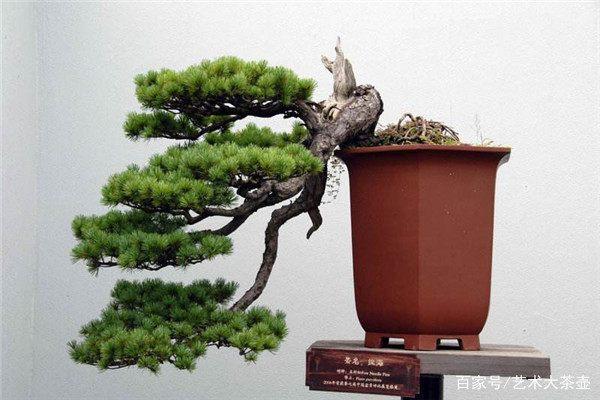
Do you know all the methods for making bonsai?
To create a beautiful bonsai with a trained trunk, the key is choosing a good tree stump. The most ideal tree stump is a plant with a full shape, upright branches, green leaves, and fibrous roots that have not yet dried out. Let's take a look at some methods for making bonsai! ...
-
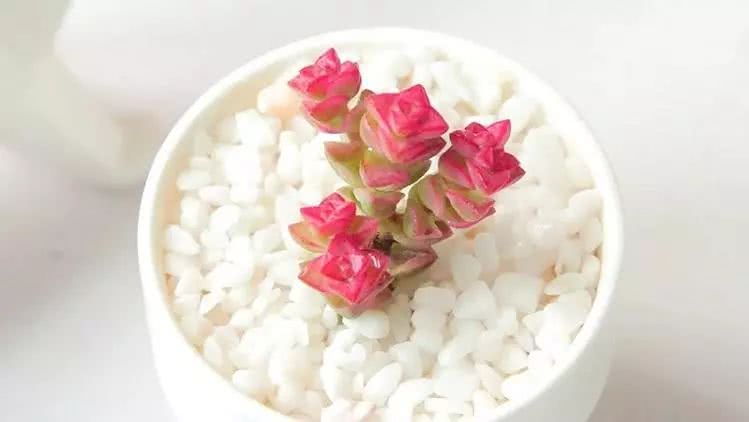
Detailed Guide to Succulent Potted Plant Care Methods and Tips (Part Four)
For succulent fans who have just gotten into the hobby, the issue they care about most is surely the growth condition of their succulents. Actually, when the editor first got into the hobby, I also always felt that my succulents were not growing well, but I simply wanted to dig them out and see what on earth was going on...
-

-
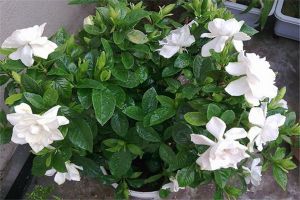
How to grow gardenias so they thrive? A guide to care methods
First, give it good soil: simply mix garden soil and leaf mold at 1:1. Next, give it moist growing conditions, plenty of light and a moderate amount of fertilizer. Finally, remember to prune it and repot it in good time.
-
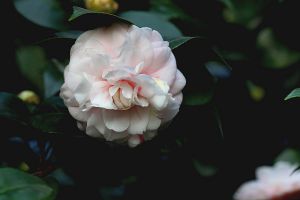
How do you extend the flowering period of camellias? Master these methods for longer blooms
The flowering period of camellias is roughly from January to April. If you want to extend the flowering period, you need to provide suitable growing conditions based on its growth habits. It has high requirements for soil properties, so it is best to grow it in well-drained, loose and fertile sandy soil. Also, its potting soil must remain acidic, with the pH adjusted to ideally 5.5 to 6.5. Because it fears wind and loves sunlight, it needs to be placed in a spot with little wind and given sufficient sunlight every day, but in summer it should be properly shaded, and the room temperature should be kept between 20 and 25°C, with environmental humidity of about 70%, which helps extend its flowering period.
-

What Fertilizer Is Best for Camellias? A Detailed Guide to Scientific Fertilization Methods
For this plant, fertilization is a very important aspect. Specifically, it can be divided into two types: base fertilizer and top dressing. There are many suitable types of fertilizer, such as urea, (KH2PO4) solution, and so on. However, it should be noted that the emphasized nutrient elements differ at different stages. In spring, it is mainly the N element; in summer, mainly the P element; in autumn, a mixed fertilizer of both P and K; in winter, likewise P and K, but a liquid fertilizer should be used.
-

What fertilizer is best for yew? Introduction to scientific fertilization methods
Most people know that yew is a very precious flowering plant, so many people like to grow it at home. So when growing it, what flower fertilizer is best to apply? It is best to use flower fertilizer containing the elements it needs, such as N, P, and K. For this reason, we can choose compound fertilizer or organic fertilizer containing these elements. The former needs to be diluted before use, while the latter can be applied by burying.
-
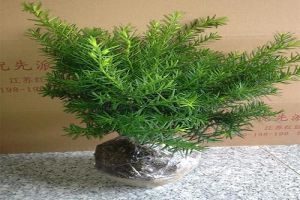
How to grow Maire yew? A detailed guide to cultivation methods
Growing Maire yew requires giving it enough light, but it also needs appropriate shading in midsummer; give it a moderate amount of water and a ventilated growing environment. In addition, in winter we need to place it in a wind-sheltered spot with sunlight and reduce the amount of watering.
条件筛选