How do you extend the flowering period of camellias? Master these methods for longer blooms
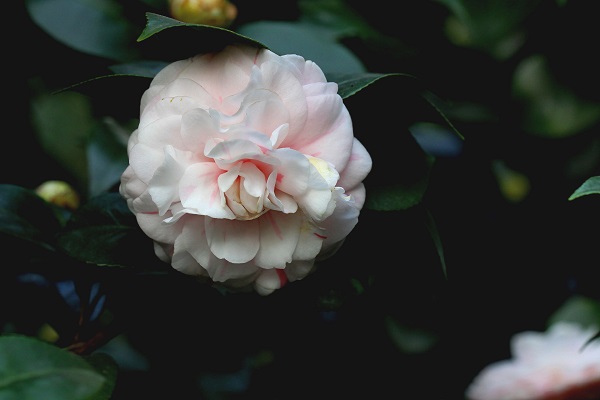
1. Temperature
The suitable growing temperature for camellias is between 20 and 25°C. If the temperature is higher than 29°C, it will stop growing, and when the temperature reaches 35°C, without control it will scorch the flowers.
2. Soil
It likes an acidic environment and needs to be grown in acidic loam with good air permeability to facilitate the development of its root hairs, with the pH controlled between 5.5 and 6.5. Usually, red soil or a mix of humus soil, peat and rotted sawdust is used as the growing medium. A better choice is sandy soil, humus soil or loess for cultivation.
3. Light
It needs sufficient light every day, but it dislikes strong light. In spring, autumn and winter, even without any shading measures it is fine, but in summer when the sunlight is scorching, it needs 50% shading to avoid direct sunlight, so as to protect the leaves and flowers from being scorched.
4. Watering
Water appropriately according to the external humidity, using neutral or slightly acidic water, and water thoroughly each time. The watering frequency can be low, but each time you must ensure the water can fully penetrate the soil. Do not let the soil dry out, and do not allow water to accumulate in the flowerpot, otherwise an overly moist environment will cause root rot.
5. Fertilizer
Its demand for fertilizer is not great. Generally, before flowering, apply fertilizer with a relatively high alum content to supplement the nutrients needed for flowering. During flowering, apply a little fertilizer with relatively high P and K content, which can make its flowers larger and more brightly colored, and increase the flowering time.