How to grow gardenias so they thrive? A guide to care methods
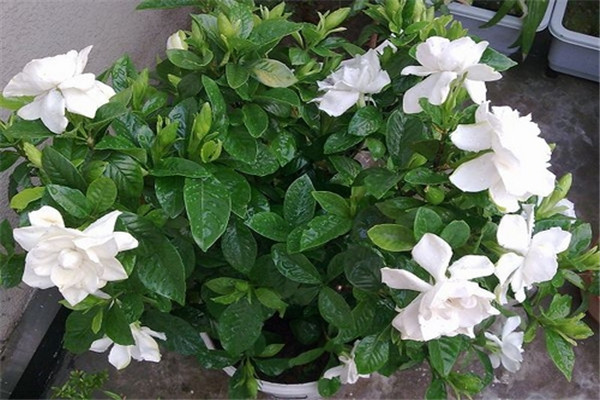
1. Soil
If you want it to grow well, the first step is to choose a soil suited to its growth before you plant it. In general, it suits soil with a pH between 4.0-6.5, but ideally between 5.0-6.0. In addition, the soil should be loose, soft and rich, with a certain water-holding capacity and a certain air permeability. So, to sum up, we recommend mixing garden soil with leaf mold or peat soil at 1:1 for its soil. The former puts more emphasis on nutrients, the latter more on water-holding capacity; how exactly to choose is up to each grower's own judgment.
2. Environment
Besides the soil, we also need to give it growing conditions that suit it, so that it can grow better. When it comes to growing conditions, water comes first: this flower is a fairly moisture-loving flower, so we should keep its soil moist at all times and must not let the soil dry out. In addition, we can use a sprayer to spray some water or beer around it to raise the humidity.
Next, light: because it grows best in a spot with fairly abundant light, we must normally give it enough light, ideally half-day sun.
Finally, fertilizer: relatively speaking, its demand for fertilizer is fairly high, since neither growth and development nor flowering can do without nutritional support. But too much of anything is as bad as too little: once too much fertilizer is added, the plant cannot take it up in time, and the leftover fertilizer stays in the soil, quite possibly burning the roots.
3. Techniques
Besides giving it suitable growing conditions, we also need some methods to help it grow better.
The first is pruning. Many friends think you only need to prune it before and after flowering, because pruning before flowering lets it bloom more and more vividly, and pruning after flowering helps it recover quickly. This is not actually the case: in ordinary times we also need to trim its branches and leaves. This way, first, we can promptly remove some useless flower branches and reduce nutrient consumption; second, we can help it clear away diseased leaves and prevent the spread of some diseases.
The second is repotting. A flower grown for many years that grows poorly is so because it has not been repotted. Repotting it not only increases its growing space, but also gives it fresh soil, providing more nutrients and letting it grow better.