-
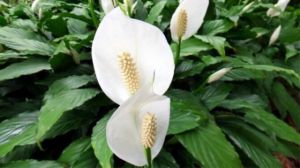
What are the cultivation methods and precautions for the peace lily?
Soil: To cultivate a peace lily, use soil with strong drainage and a loose texture. Water: During the vigorous growth period, give it plenty of water to keep the potting soil moist, but there must be no waterlogging. Light: Light should not be too abundant; in summer it should be shaded appropriately, though it should not be too dark either. In addition, repot it once every 1-2 years.
-
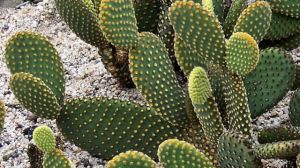
How to grow Mammillaria elongata? Detailed guide to cultivation methods and precautions
Soil: To grow Mammillaria elongata, use loose, well-aerated soil. Water: Wait until the soil has dried out completely before watering, and water thoroughly in one go. Temperature: Give it a growing environment of 20-35°C, and do not let the temperature drop below 5°C in winter. Fertilizing: In the early stage of growth, apply a granular fertilizer once every 7-10 days.
-
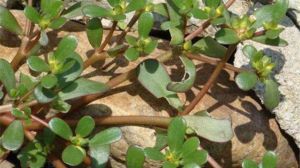
How to care for Iresine plants? Learn the correct care methods
Light: When caring for Iresine plants, give them plenty of light and do not keep them in a place without sunlight for long periods. Temperature: It is best to give them a growing environment of 20-25°C, and the minimum temperature in winter should not be lower than 10°C. Watering: Keep the soil slightly moist, and ensure sufficient water during the growing period. Fertilizing: Do not fertilize too frequently; applying once a month during the growing stage is enough.
-
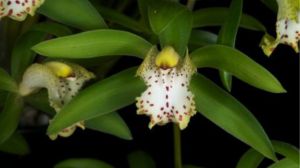
What are the cultivation methods and precautions for the Tiger Orchid?
Soil: For growing the Tiger Orchid, it is best to use soil with good air permeability. Light: In spring, autumn and winter, let it receive direct light; in summer, provide appropriate shade. Temperature: Give it a growing environment of 15-25°C; in winter, simply keep the temperature at around 10°C. Watering: Water according to the principle of watering as soon as it dries, and do not water too much in winter. Repotting should be done after flowering.
-

How to Grow Bougainvillea? A Complete Guide to Care Methods
Soil: The soil for growing bougainvillea can be made by mixing leaf mold, garden soil and sand at a ratio of 4:4:2; Light: It needs plenty of light during the growing season, and at least 8 hours of light in winter; Temperature: 15-30°C, not lower than 5°C in winter; Water: Do not water until the soil is dry, and water thoroughly when you do, begin restricting water from September; Fertilizing: Fertilize once every half month during the flowering period.
-
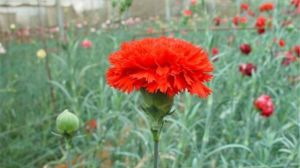
Is Dianthus chinensis easy to grow? Care methods and precautions
As long as you give Dianthus chinensis a suitable growing environment, it is very easy to grow. Normally give it plenty of light and replenish water in time during the growing period. Do not apply too much fertilizer; applying fertilizer once before sowing is enough. In addition, during its growing period, promptly prune branches that are too densely grown, weak branches, and diseased branches.
-

How to save a withered azalea? A few practical methods
There are many reasons an azalea withers: if it is caused by a change of environment, you need to change the environment, increasing ventilation and watering; if it is caused by a lack of nutrients, you need to increase the supply of nutrients; if it is caused by improper fertilizing, you need to fertilize appropriately, not too frequently, and the fertilizer used must not be too concentrated.
-
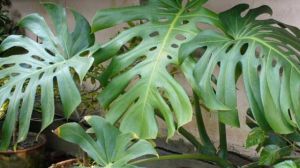
How to Treat Anthracnose in Monstera deliciosa? Detailed Prevention and Control Methods
Prevention and control methods: For anthracnose in Monstera deliciosa, first strengthen management by applying a bit more organic fertilizer to improve its disease resistance. Second, do not water the leaves, and appropriately reduce air humidity during rainy periods. Once disease is found, cut off the diseased leaves and burn them, then spray with medication for treatment.
-

Can Garlic Water Kill Pests? Application Methods and Effect Analysis
Garlic water can indeed kill pests. Garlic contains allicin, which can fully dissolve in water after soaking. This water has a pungent odor, so it has a certain repellent and killing effect on spider mites, aphids, and fungus gnats.
-

Can Milk Be Used to Kill Pests? Effects and Detailed Usage Methods
Milk can indeed kill pests. When milk is sprayed onto the leaves, it coagulates on the leaf surface and forms a film. Smaller pests get stuck to this film. Once the milk has fully coagulated, rinse it under a tap and the pests will be washed away.
条件筛选