-
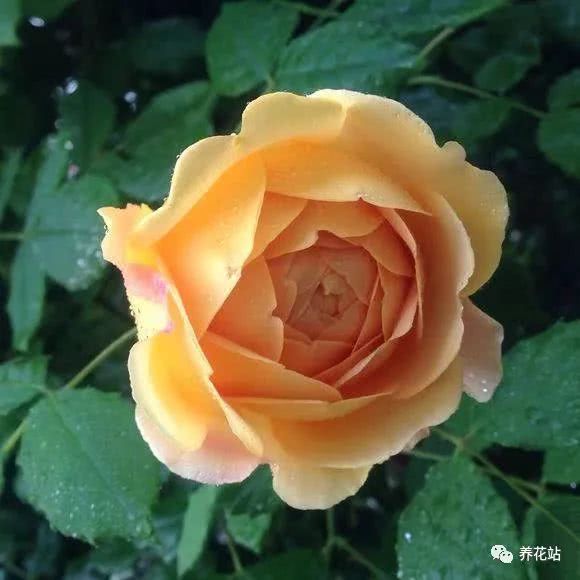
Growing flowers with aspirin works so well, flower lovers should learn it right away
Follow the flower growing site to get more flower growing tips! Ever since watching shows about life hacks, I always feel that kitchen essentials like baking soda, edible vinegar, and sugar have countless uses waiting for me to discover. Later I found out that...
-

Sliding door grooves hard to clean? Learn this trick to get it done easily
Use a marker pen to draw a small shovel shape on a plastic bottle Cut it out with scissors Burn the edges with a lighter To avoid cutting your fingers Stick double-sided tape on it And it becomes a great little helper for cleaning sliding door gaps~ The small plastic shovel has...
-
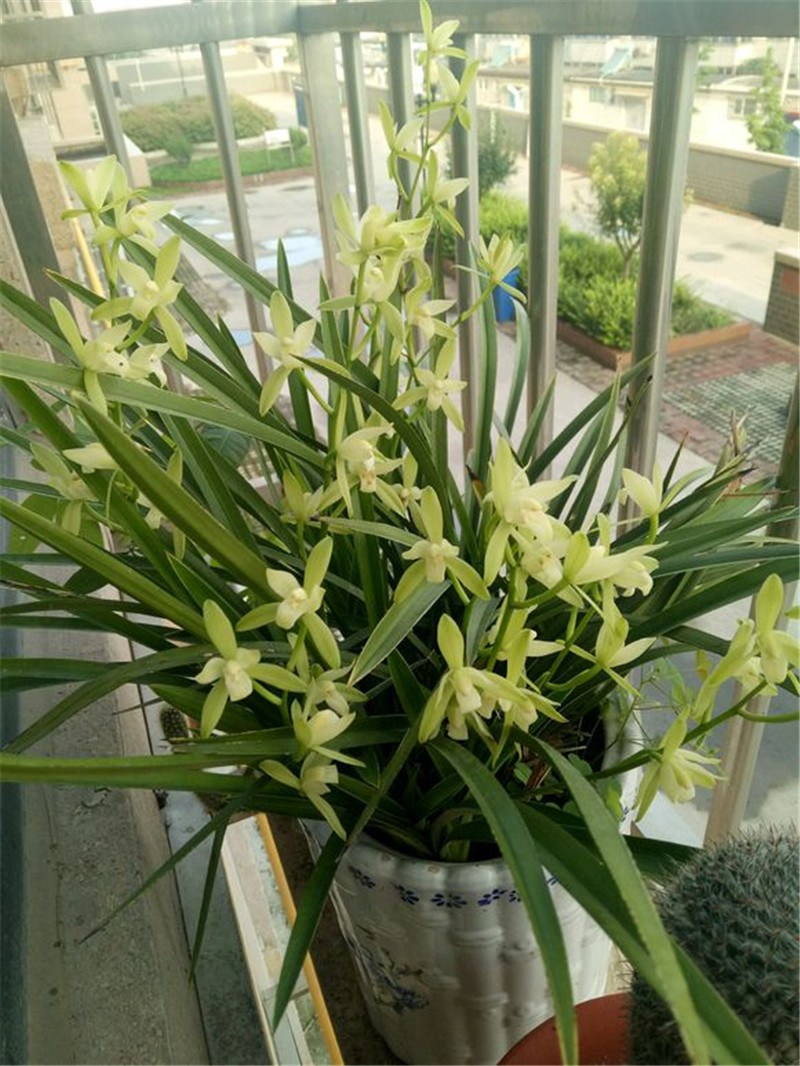
Orchid blooming tips: once you learn them, blooms come in clusters
Orchids are noble flowers; though the blooms are small, their delicate fragrance fills the air. Many people joyfully buy and plant them again and again, yet somehow they never bloom. To get orchids to flower, many people have tried all sorts of methods, such as growing them in greenhouses or building extended basements...
-
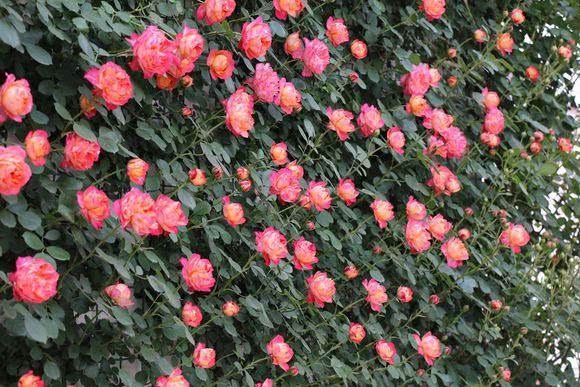
Learn this one trick for rose care and you'll be perfect for running a flower shop
Anyone who has grown roses knows that roses can be propagated by cuttings, division, and layering. Seed propagation is rarely used now because it cannot fully preserve the original characteristics of the rose. Cutting propagation is the simplest method...
-
Is the blue snowflower (Plumbago auriculata) toxic? Learn about its toxicity before caring for it
Whether from reference materials or reports, the blue snowflower (Plumbago auriculata) is non-toxic and will not cause harm to the human body. Many plants contain toxins as a result of evolution, and the toxins remain within the plant's body; as long as they are not ingested in excessive doses, there will be no effect whatsoever. When caring for it, you should still avoid letting the sap enter the body, wounds or mucous membranes, and take necessary protective measures.
-
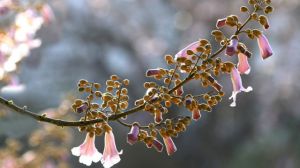
What is the difference between sycamore flowers and paulownia flowers? Learn to tell them apart quickly
Trunk: The bark of the sycamore tree is turquoise-green and relatively smooth on the surface. The bark of the paulownia tree is darker, gray or grayish-brown. Leaves: The former has heart-shaped leaves with triangular lobes on the surface, while the latter has ovate leaves with shallow lobes along the edges. Flowers: The former has pale yellow-green flowers, while the latter has pale purple or white flowers.
-
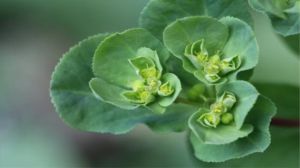
What is the difference between Cat's Eye Grass and Cat's Ear Grass? Learn how to tell them apart
Plant distinction: Cat's Eye Grass is relatively short, around 30 to 60 cm; Cat's Ear Grass is relatively tall, around 0.5 to 1.5 m. Leaf distinction: the former's leaves are linear to ovate in shape; the latter's leaves are ovate or elliptic-ovate in shape. Flower distinction: the former's seeds are ovoid; the latter's are oblate.
-

A Complete Guide to Common Indoor Flower Cultivation Methods, Easy for Beginners to Learn
In life, many of us love growing flowers, but without experience it is easy to kill them. In fact, these common indoor flowers are all quite easy to grow. Let's learn together! (Phalaenopsis) 1. Phalaenopsis 1. Keep ventilation, mist frequently; if there is no ventilation, do not mist.
-

-

How do you pinch back a kalanchoe? Learn the correct pinching method
Pinching back a kalanchoe is generally done from March to September. When pruning, cut off branches that are taller than 12 cm, as well as the newest buds at the very top, to encourage the development of side branches. In addition, after pinching back, apply an appropriate amount of compound fertilizer to promote the growth of side branches.
条件筛选