-
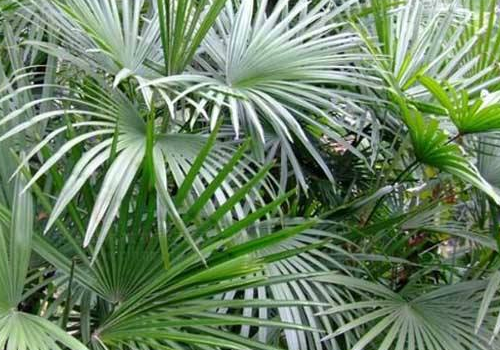
When to Divide Broadleaf Lady Palm and Why It Is Not Suitable for Growing at Home
Broadleaf lady palm is also one of the plants, and a great many people know about it. So when should broadleaf lady palm be divided? Why is it not suitable to grow at home: When to divide broadleaf lady palm: Broadleaf lady palm division propagation is generally carried out in spring when repotting. (The best time for division is March to April.
-
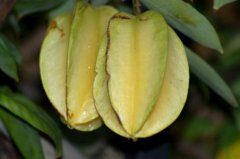
What are the control methods for the flower ladybird leaf roller moth on carambola?
The flower ladybird leaf roller moth belongs to the order Lepidoptera and is a pest that harms carambola. So how do we control the damage caused by the flower ladybird leaf roller moth pest? What are the ecological habits of this member of the order Lepidoptera, and what do the symptoms of damage look like? Ecological habits: The flower ladybird leaf roller moth belongs to the order Lepidoptera, commonly
-

What is the difference between the potato ladybird beetle and the 28-spotted ladybird beetle?
The potato ladybird beetle and the eggplant 28-spotted ladybird beetle are very similar in morphology. As soon as the potato sprouts, adults and larvae gather on vigorous plants to feed on the leaves and cause damage, overwintering as adults. Around April, the overwintered adults lay eggs in the field, and they emerge in July. In spring-planted areas, there is 1 generation per year. The larvae and adults of the 28-spotted ladybird beetle damage the leaves of vegetables such as eggplant, potato, tomato and cucumber, causing wilting. The larvae live on the underside of leaves. In warm regions, the adults have 2 to 3 generations per year, overwinter as adults, and generations overlap. After overwintering, the adults gather
-
Identification and Control Methods for the Potato Ladybird Beetle
The potato ladybird beetle (Henosepilachna vigintioctomaculata Motschulsky) belongs to the order Coleoptera, family Coccinellidae. It is widely distributed in northern China. It mainly damages potatoes, eggplants, Chinese cabbage, rapeseed, as well as beans, cucurbits and so on. [Field identification] Both adults and larvae feed on leaves, gnawing the epidermis and mesophyll on one side, creating many net-like pits. The adult is about 8 mm long and hemispherical. The body dorsum and elytra are yellowish-brown; the center of the pronotum
-
A Detailed Guide to Identifying and Controlling the 28-Spotted Ladybird Beetle on Eggplant
The 28-spotted ladybird beetle on eggplant belongs to the order Coleoptera, family Coccinellidae, also known as the groundcherry ladybird beetle, commonly called "flowered big sister." Its host crops include solanaceous vegetables such as eggplant, tomato, green pepper and potato, as well as cucurbitaceous vegetables such as cucumber. In addition, it can also damage crops such as beans, groundcherry and Chinese cabbage, among which eggplant suffers the most serious damage. It is distributed throughout the country, but occurs in larger numbers and causes serious damage in areas south of the Yangtze River basin. 1 Field identification 1.1 Damage characteristics It damages crops as adults and larvae. Newly hatched larvae
-
What are the control methods for the 28-spotted ladybird beetle (Henosepilachna vigintioctopunctata)?
1. Morphological characteristics: The adult is yellowish-brown and hemispherical. The pronotum usually bears 6 black spots, and each wing cover has 14 nearly round black spots of two sizes, with the black spots not connected at the suture between the two wing covers. The egg is bullet-shaped, yellowish-white when first laid and later brown, with the eggs in an egg mass arranged rather densely. The newly hatched larva is pale yellow, later turning white, spindle-shaped, with many white branched spines on the body segments, and the bases of the branched spines have dark brown rings. The pupa is oval, yellowish-white, with black markings on the back, and the posterior end is wrapped in the cast skin of the last-instar larva. 2. Life habits and
-
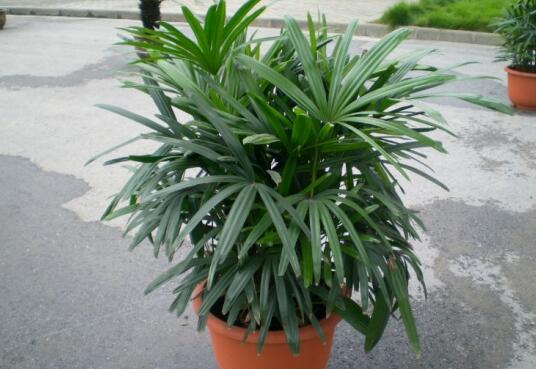
What to do when the leaves of broadleaf lady palm turn yellow: apply light fertilizer frequently, control the amount of watering, pay attention to shading
Broadleaf lady palm is a highly ornamental plant, and keeping it at home brings people many benefits. However, no matter how beautiful a plant is, if its leaves turn yellow, it will affect its overall beauty. So what should you do when the leaves of broadleaf lady palm turn yellow? Below, the editor will walk you through it. 1. What to do when the leaves of broadleaf lady palm turn yellow
-
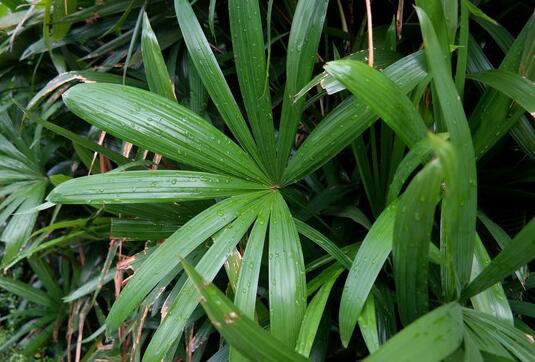
How to repot the broadleaf lady palm? Early March is the most suitable time for repotting
During the cultivation of the broadleaf lady palm, it needs to be repotted once every 2-3 years, which allows it to grow better. However, there are many things to pay attention to when it comes to repotting. So how do you repot a broadleaf lady palm? What are the precautions for repotting a broadleaf lady palm? Let us walk you through it below.
-
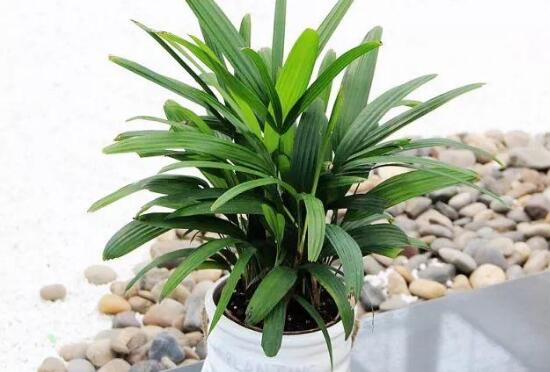
How to grow potted broadleaf lady palm? Warmth-loving care methods and precautions
Gardeners are probably familiar with the broadleaf lady palm, also called Guanyin bamboo; it is a common indoor ornamental plant. In daily life, because the broadleaf lady palm looks very dignified, it is favored by many gardeners. So how do you grow a broadleaf lady palm? For this, the editor has carefully compiled the care methods and precautions for the broadleaf lady palm, very comprehensive.
-
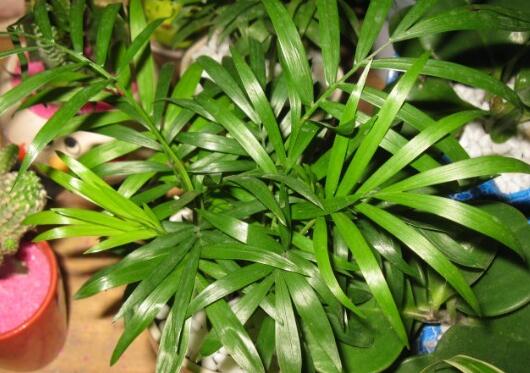
How to Grow Lady Palm (Rhapis excelsa)? Care Methods, Precautions, and Key Points on Environmental Ventilation
Lady palm is a fairly common foliage plant in people's daily lives, with high ornamental value, and is a plant very well suited to growing at home. However, to grow it well, there are many points that need attention. So how do you grow lady palm? What are the care methods and precautions for lady palm? Below, the editor will walk you through it.
条件筛选