-
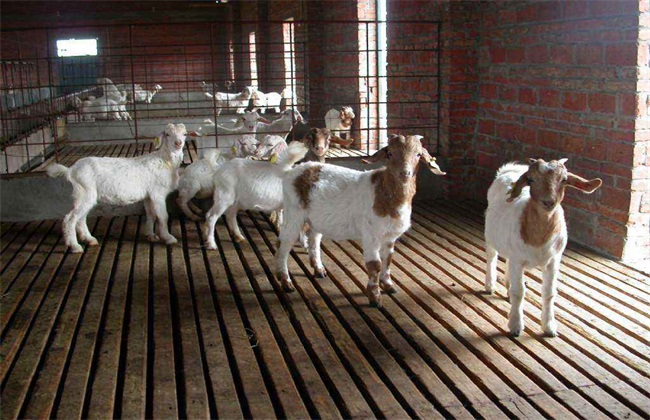
What are the risks of raising sheep? Newcomers who want to get into the business need to understand them in advance
What are the risks of raising sheep
-
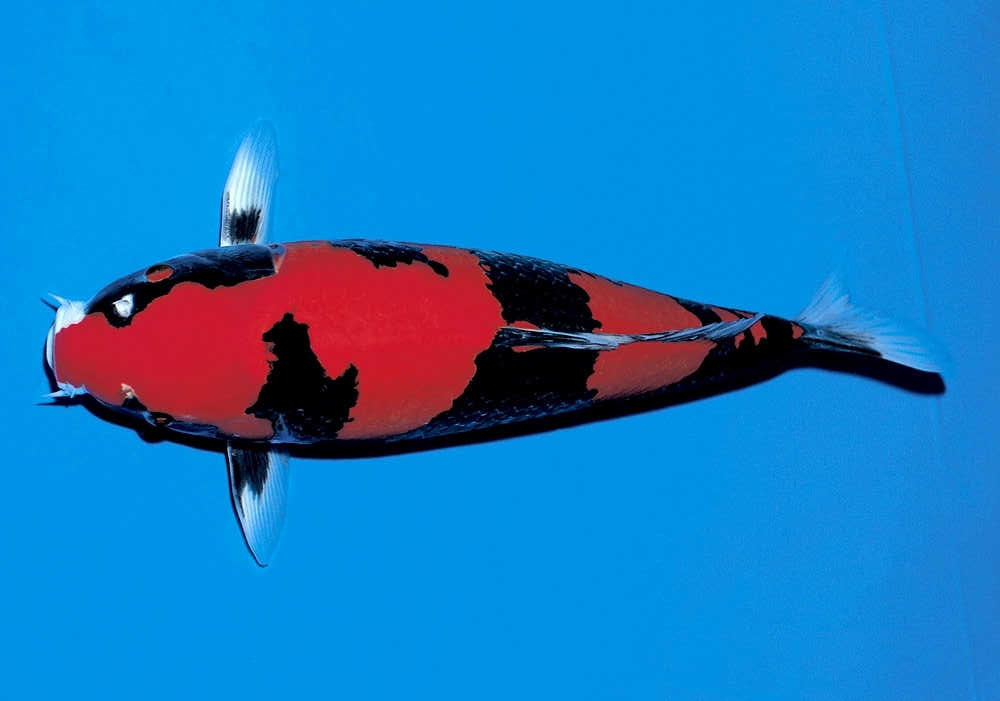
What's the problem with koi being thin? After 14 years, Japanese koi swim into Ningbo
The koi are here | After 14 years, Japanese koi swim into Ningbo. Wow, so many koi, quick, quick, share this! Is this everyone's first reaction upon seeing koi? Don't rush to share just yet, let the editor tell you all about koi. Koi, koi, koi, hailed as the king of ornamental fish in the world, Japanese koi...
-
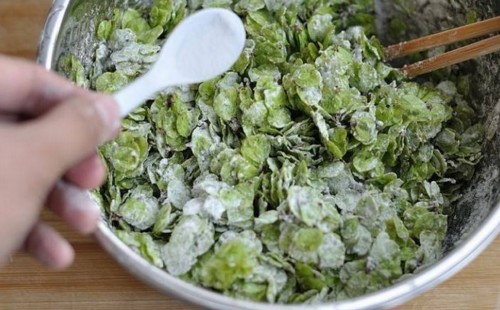
Can elm trees be made into bonsai? Methods for making rural elm bonsai
In the vast rural areas of our country, elm trees can often be seen everywhere, giving people an impression of being tall, upright, and full of branches and leaves. Elm trees are also often planted along both sides of roads as street trees, and their tall stature brings broad shade, especially in the hot summer, providing people with some protection when traveling
-
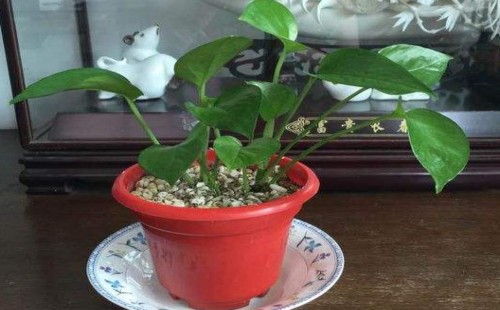
Can hydroponically grown pothos be transplanted into soil?
Pothos is a highly ornamental vine plant. Because it stays evergreen all year round, has a very strong air-purifying ability, and is also fairly shade-tolerant, it is very suitable for growing as an indoor foliage potted plant. In a previous article, we shared with you an article about converting pothos from soil culture to water culture
-
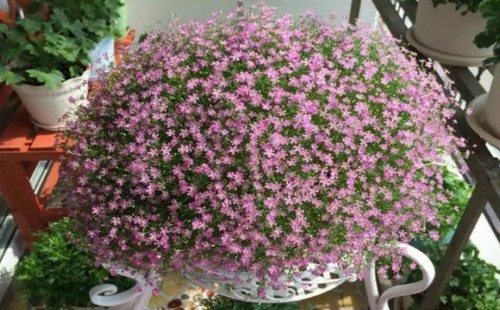
How to grow baby's breath so it bursts into a full pot? A complete guide to care techniques
As a garden flowering plant, baby's breath (Gypsophila) has many branches and compact blooms, making it easy to grow into a bursting pot, and baby's breath in full bloom looks like a big flower ball, very beautiful. When grown as a potted plant, how do you grow baby's breath so it bursts into a full pot? Today
-

Rice expert improves Tainung 67 into a low-glycemic rice line
Rice is high in calories and is a high-glycemic food. Once rice is eaten and digested by the body, blood sugar levels tend to rise rapidly, so people with diabetes can only eat it in small amounts. Wang Chiang-sheng, a professor in the Department of Agronomy at National Chung Hsing University, saw the troubles faced by some groups and four years ago began developing low-glycemic rice varieties
-
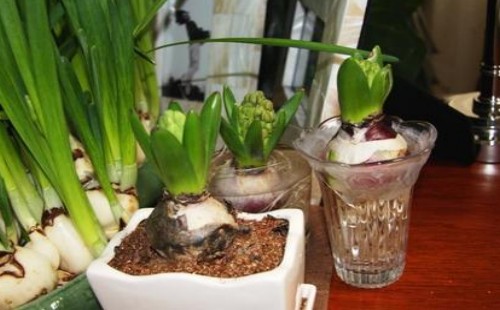
How to grow a sprouted onion into a bonsai
Onion stir-fried with meat is a home-style dish, and quite a few plant lovers enjoy eating it too. However, sometimes we buy onions and don't cook them in time, and a few days later they sprout on their own. In this situation, many people worry that eating sprouted onions will cause health problems, so they simply throw them in the trash. Actually
-
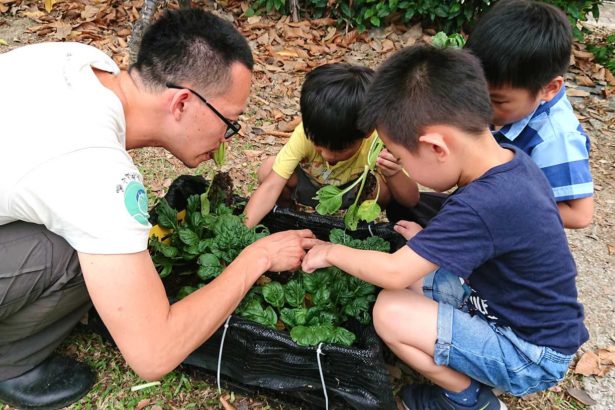
Farmers' market goes into kindergarten: kids love eating bean sprouts they grew themselves, and the white butterflies come to steal a bite
When the farmers' market goes into the kindergarten - kids love eating the bean sprouts they grew themselves, and the white butterflies are so cute, don't come and steal a bite
-
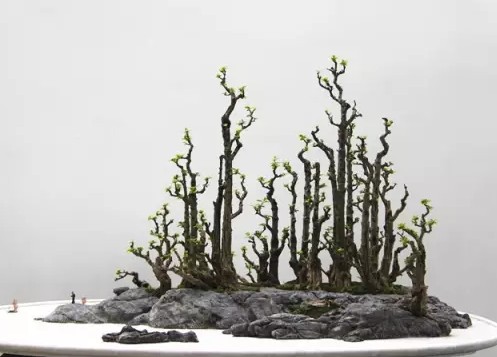
Landscape bonsai come in a myriad of forms, with the world's finest scenery distilled into a single pot
Landscape bonsai is a group of scenery created by mountains, rocks, grass and trees arranged and combined in a pot, and this combination follows a certain pattern of mountain momentum or structural composition. Below, let us appreciate some of the more representative landscape bonsai works of Shanshui Renjia, in the hope of better exchange with the broad community of bonsai enthusiasts
-
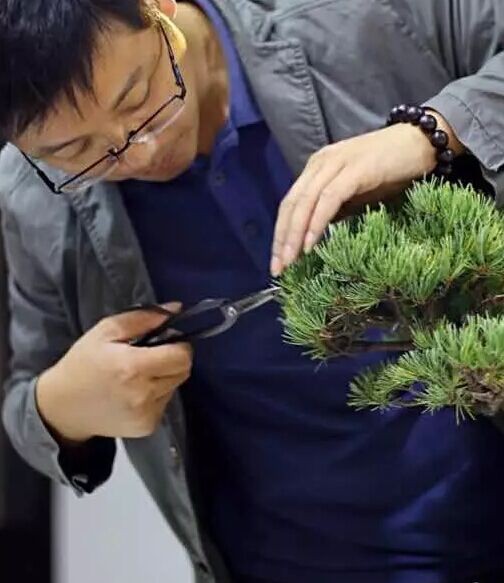
How beautiful is Su-style bonsai? Step into Banzhuju and experience supreme serene beauty
A foot-tall tree, a basin pond before the curved railing, the old Zen monk's pure delight rivals that of forests and springs. Su-style bonsai is a major pillar among China's five great bonsai schools, with a long history: it began in the Tang Dynasty, flourished in the Song, and reached its peak in the Ming and Qing. Tang Dynasty's Bai Juyi, Song Dynasty's Su Shi and Fan Chengda, Ming Dynasty's Wen Zhengming and Wen Zhenheng, Qing Dynasty's Hu Huanzhang
条件筛选