-

Potato tubers infected with Phytophthora cause cellar rot
Symptoms: Slightly sunken dark or purple lesions appear in patches on the surface of the tubers, extending less than 1cm into the tuber. White mold is generally not easy to see, but when humidity in the cellar is high, white mold grows on the diseased area, which is the pathogen's sporangiophores and sporangia. This causes cellar rot. For the pathogen, transmission routes and disease conditions, see Potato Diseases - Potato Late Blight. For control methods, see Potato Dry Rot.
-
The previous batch of pigs had blue ear disease (porcine reproductive and respiratory syndrome). How should the pen be disinfected?
1. Cleaning and washing. Remove all contaminants and bedding from the pen, and sweep down the dust from the ceiling as well. Then pile it all together to ferment. Then rinse thoroughly with clean water. 2. Disinfection of the floor and walls. For the floor, use caustic soda or sodium hydroxide. For the walls, spray with iodine-based or chlorine-based preparations. 3. For metal equipment that is not afraid of heat but is afraid of corrosion: use a blowtorch (alcohol blowtorch, kerosene blowtorch). 4. For enclosed pens: fumigation. Peracetic acid, formaldehyde, or potassium permanganate can all be used. After sealing for 2 hours, ventilate for 7-10 days. Basically it takes half a month.
-
How to prevent and treat shiitake mushrooms infected by Trametes versicolor
Trametes versicolor, also known as turkey tail, is classified under Basidiomycotina, Hymenomycetes, Aphyllophorales, Polyporaceae, and the genus Trametes. The cap is leathery, sessile, imbricate and stacked, semicircular or shell-shaped, 1-10 cm in long diameter, 1-6 cm in short diameter, 1-2 mm thick, with narrow concentric zones and fine elongated hairs on the cap surface, varied in color, often gray, brown, green to black, glossy, entire or wavy. In nature it often occurs on decaying wood of broadleaf trees in summer and autumn, with mycelial growth temperature of 3-32°C,
-
How Many Times Should a Rabbit Farm Be Disinfected? Master the Correct Disinfection Frequency
The disinfection theory in books says, "Twice a week in summer, once a week in the other seasons." I think this disinfection practice involves too many rounds. The purpose of disinfection is to kill harmful bacteria. My approach is once every half month in summer, and once a month the rest of the time. If you disinfect frequently, the goal is to kill harmful bacteria, but the result is that you kill all the beneficial bacteria too. Also, after we finish disinfecting, we sling the sprayer on our backs and turn around and leave the rabbit shed, leaving the rabbits in their cages reluctantly "inhaling the chemicals," and side effects are very likely to occur. According to what I have learned
-

Taking the kids swimming infected a family of six - have you paid attention to pool hygiene details?
Summer is the season for playing in the water, but if you don't take care to protect yourself while playing in the water, you could get sick! A 5-year-old child in Wuhan came back from swimming and got infected with pink eye. And because of cross-infection, the whole family...
-
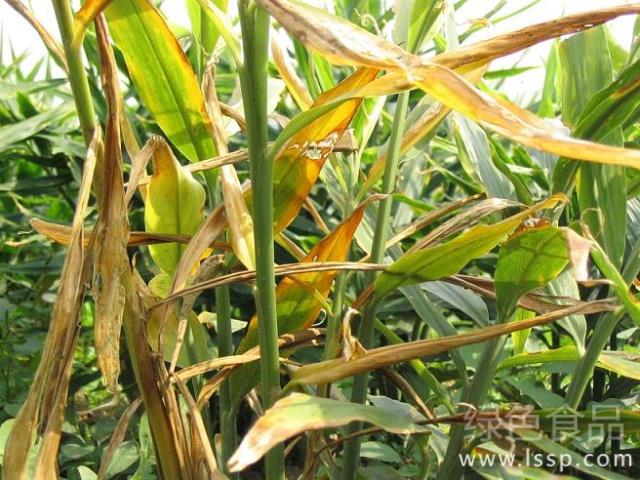
It Is Hard to Cure Once Infected with Ginger Bacterial Wilt: How to Prevent and Control Ginger Bacterial Wilt
It Is Hard to Cure Once Infected with Ginger Bacterial Wilt: How to Prevent and Control Ginger Bacterial Wilt
-
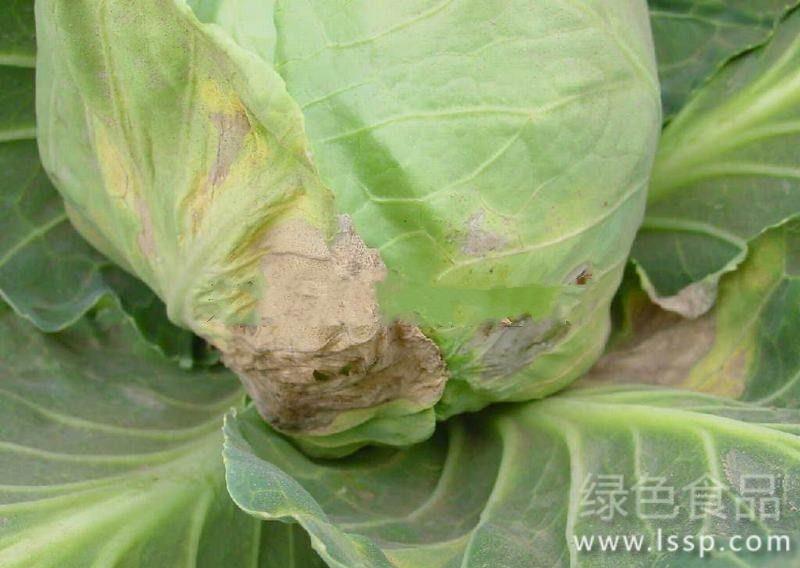
Black spots appear on cabbage after it is infected with black rot, how to prevent and control it
Black rot causes black spots on cabbage, how to prevent and control cabbage black rot
-
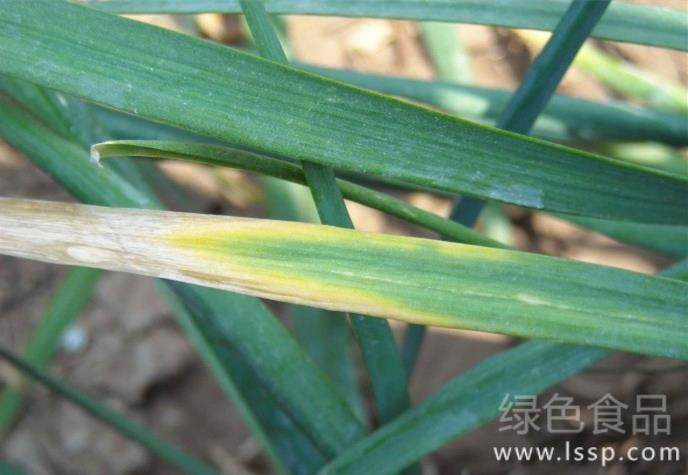
When chives are infected with rust disease, they lose their value. How can it be prevented and controlled?
Rust disease makes chives lose their value. Prevention and control methods for chive rust disease.
-
Urgent Solution Needed for Sea Bass Infected with Sporozoa
Urgent Urgent Urgent - Sea Bass Infected with Sporozoa
-
How are dry-reared meat duck houses built and disinfected?
Construction and disinfection of dry-reared meat duck houses
条件筛选