-
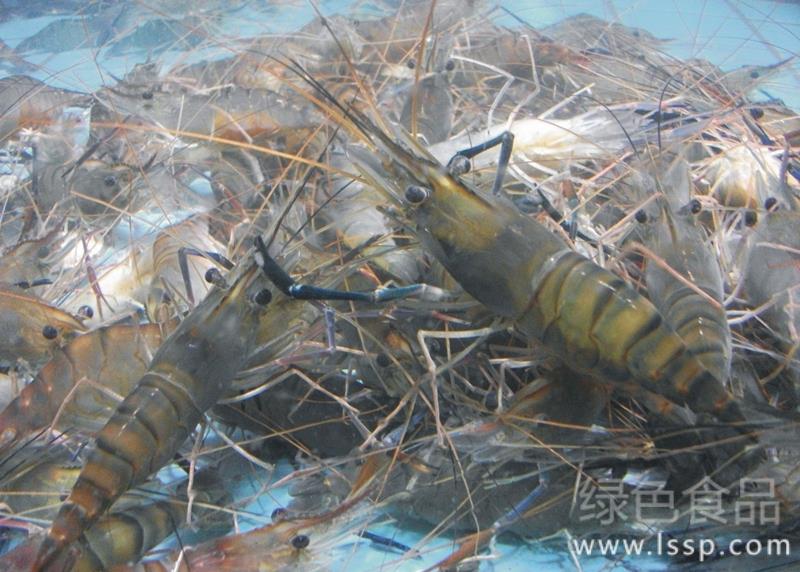
Red body disease in freshwater shrimp (Macrobrachium nipponense) causes explosive mortality - how can it be scientifically prevented and treated?
Red body disease causes explosive mortality in freshwater shrimp - how to prevent and treat red body disease in freshwater shrimp
-

What to do about premature senescence in high-density drip-irrigated cotton? Main causes and preventive measures
I. Main causes of premature senescence in high-density cotton planting 1. Variety factors Varieties are not resistant to premature senescence. In recent years there have been many cotton varieties; some have aged and degenerated, and some are inherently poor in disease resistance and premature senescence resistance, or are unsuitable for high-density planting, leading to premature senescence in cotton. 2. Environmental factors ① Temperature For mid-early maturing cotton, the suitable sowing period is when the 5 cm soil temperature stably passes 12°C. If sowing is too early or the seedling stage encounters low-temperature chilling injury, because the air temperature is relatively low, root growth is slow and diseases are severe, which easily damages the cotton root system function, thereby
-
What are the culinary uses of Gastrodia elata? Read this article to find out
Gastrodia elata not only has high medicinal value, but also has considerable value as a medicinal dish, health tonic, nourishing food and edible ingredient. In folk practice, Gastrodia elata is commonly used to steam eggs, boil eggs, cook pig brain, steam sheep brain, steam pork, stew chicken, roast duck and so on. Its features are: convenient to eat, pleasant in taste, rich in nutrients and unique in flavor. It satisfies people's enjoyment of tasting Gastrodia elata while also strengthening the body, resisting wind and cold, and can also treat dizziness, migraine and tension headache, high blood pressure and many other conditions. Through centuries of practice and recent years of research and development, dishes using Gastrodia
-
Detailed Explanation of Key Techniques for Oyster Mushroom Cultivation in Greenhouses
Oyster mushrooms grow fast, have strong stress resistance, come from a wide range of substrate sources, are easy to cultivate and manage, and can be grown in all four seasons. In our province, greenhouse cultivation is the main method. Through extensive research, the author has compiled the cultivation techniques for greenhouse oyster mushrooms as a reference for fellow farmers. 1. Variety selection: In early spring, medium-temperature varieties should be used; in late spring and early summer, medium- and high-temperature varieties should be used; in summer and autumn, high-temperature varieties should be used. 2. Production season: For medium-temperature varieties, stock spawn is made in November-December, and production spawn is made in January-February; for high-temperature varieties
-
How to cope with severe weather in winter and spring greenhouse oyster mushroom production?
In winter and spring, severe weather such as snowfall, cold waves, strong winds, prolonged overcast fog, and sustained low temperatures often arrives uninvited. In mild cases it causes reduced oyster mushroom yields and lower quality; in severe cases it causes total crop failure. Therefore, prevention of and response to severe weather should be strengthened. Main preventive measures: wipe the greenhouse film to improve light transmittance; inspect the greenhouse facilities to ensure the greenhouse's insulation performance; prepare insulating and warming items such as straw mats and old greenhouse film. Response management measures: Cold wave and strong wind cooling weather: Before a cold wave and strong winds arrive, seal the vents tightly, cover the greenhouse film securely, and add a layer of intact old plastic film over the straw mats.
-
Key Technical Points for Environmental Control in Greenhouse Lily Cultivation
In lily cultivation, besides having high-quality bulbs, strict control of the growing environment according to the requirements of different varieties throughout the entire growth process is also needed to produce lily products with good plant form and high quality. If conditions are not well controlled, it will not only affect the plant form of the lilies, but in severe cases also affect plant growth, and may even prevent normal flowering. The following briefly introduces environmental control during lily cultivation based on the requirements of lily planting. 1. Greenhouse A good growing environment can ensure the normal growth of lilies.
-
How to prevent and control red and white plastron disease in soft-shelled turtles? Detailed explanation of causes and prevention methods
Red and white plastron disease in soft-shelled turtles (commonly known as red plastron and white plastron disease) has been a relatively serious turtle disease in China in recent years, and so far there is still no ideal treatment method. However, through efforts in various aspects, the main pathogens and disease onset conditions of red and white plastron disease have basically been identified, and breakthrough progress has been made in prevention, especially in research on disease prevention with Chinese herbal medicines and immune vaccines, laying a foundation for controlling the occurrence of red and white plastron disease in the future. Based on relevant domestic research and my own practice, the author introduces the occurrence and prevention of red and white plastron disease as follows, for reference and application by interested parties.
-
How to treat rectal prolapse in pigs? Introduction to commonly used therapies
Rectal prolapse in pigs falls into two situations: the first is that the sick pig can retract the prolapsed tissue on its own when standing, but it protrudes again when defecating; the second is that the sick pig cannot retract it on its own when standing. For the latter, surgical treatment is often adopted, with a cure rate of up to 100%. Now, for the first situation, a simple therapy worth promoting is introduced. Use a 0.1-0.2% potassium permanganate solution, while it is still warm, to wash the affected area, dry it with sterile gauze, and apply an appropriate amount of river snail meat paste to the affected area. Preparation of river snail meat paste: wash the river snails, remove the shells and take the meat, use a 0
-
Method for ridge cultivation of Gastrodia elata in plastic greenhouses
Cultivating Gastrodia elata in ridges inside plastic greenhouses can be done on either a large or small scale, with low investment, high returns, and savings in labor, effort, and arable land. It requires no fertilizer, no pesticide spraying, and no weeding, and delivers significant economic benefits. The technique is described below: 1. Site selection: It is advisable to choose a shady slope or a gentle slope with half shade and half sun, sandy soil with good permeability, and slightly acidic or neutral soil with a pH of 5.5-6.0 for building the site. 2. Greenhouse construction: Follow the construction method for vegetable greenhouses, facing north and south, with the size determined by the scale of Gastrodia elata cultivation, generally 8 m wide and the length depending on the terrain
-
Can distiller's grains be used as a substrate for growing oyster mushrooms?
It is acceptable to use distiller's grains instead of wheat bran as a supplement for producing oyster mushrooms. The usual amount is about 20%, and the other 70-80% can be cottonseed hulls, sawdust, or similar materials. Because distiller's grains are fairly acidic, some lime or similar material should first be mixed in before use, bringing the pH down to 6-6.5.
条件筛选