-

Analysis of the Causes and Handling Methods of Female Mink Eating Their Kits
Every year from June to September is the main stage of growth and development for mink kits. During more than 40 years engaged in mink production, the author has found that some female mink eat their kits. Through investigation, the causes and handling methods of kit-eating are introduced as follows: 1. Poor maternal instinct and vicious habits. Once discovered, the remaining kits should immediately be removed and given to another female mink to nurse. 2. Lack of nutrition and insufficient feed. This is caused by a deficiency of certain nutritional components in the feed, such as insufficient protein content, or by an inadequate amount of feed supplied; sufficient full-price feed should be provided.
-
Detailed Explanation of Key Post-Harvest Handling Techniques for Dendrobium Orchids
1. Scientific name: Dendrobium spp. 2. Main characteristics of cut flowers: Very sensitive to ethylene; pollination of the flowers should be avoided, as it stimulates the production of large amounts of ethylene. 3. Harvest maturity stage: Cut when most of the flowers on the inflorescence have opened, with only a small number of flowers at the top of the inflorescence still in the bud stage. 4. Vase life: The vase life in water is about 14 days, and longer in preservative solution. The vase life of Dendrobium varies with the season. 5. Preservative treatment method: Use a preservative
-
What to Do If Blue Mushrooms Appear? Introduction to the Correct Handling Method
The symptom of blue mushrooms is that when the mushroom body grows, a blue halo forms at the edge of the cap. In severe cases, the entire mushroom body looks as if blue ink has been splashed on it, and it does not disappear even after the mushroom body is harvested. The main causes of blue mushrooms are: (1) Heating the mushroom shed with coal, firewood and other fuels causes carbon monoxide and carbon dioxide poisoning in the mushroom body, stimulating changes in the components within the mushroom body and producing a discoloration reaction. (2) Using poor-quality new plastic film as covering material: due to the temperature difference between the inside and outside of the film and the relatively high humidity inside the film, it is very easy for the film to
-
Orchid Watering Methods: Handling Five Key Relationships Well
1. Watering and orchid species. Because each orchid species has different growth habits, its water requirements also vary. Cymbidium ensifolium likes moisture, but waterlogging in the growing medium must be avoided. Cymbidium sinense prefers dry over wet; too much moisture easily causes root rot and plant collapse. Cymbidium kanran has a well-developed root system and strong drought tolerance, so the potting soil should be kept on the dry side. Suxin orchids and leaf-variegated orchids require seven parts dry and three parts wet; too much moisture easily causes degeneration. 2. Watering and orchid pots. Clay pots have a rough texture and strong air permeability, and moisture evaporates easily, so water frequently, water generously, and water thoroughly. Plastic pots have low density and poor air permeability, and moisture is consumed slowly; in summer,
-
Quarantine Methods and Handling Measures for Swine Toxoplasmosis
Swine toxoplasmosis is a zoonotic infectious disease caused by Toxoplasma gondii. This disease is most commonly seen in pigs. Humans can contract the disease through wound contact or by eating raw meat infected with this disease. Therefore, carrying out ante-mortem quarantine and post-mortem inspection for swine toxoplasmosis at designated slaughterhouses is of vital importance for safeguarding the development of the breeding industry and human health. 1 Ante-mortem quarantine: Pigs suffering from swine toxoplasmosis show an elevated body temperature reaching 41-42°C, reduced or complete loss of appetite, runny nose, coughing or difficulty breathing, anemia, and conjunctival hyperemia.
-
A Detailed Guide to Post-Harvest Handling and Processing Methods for Wine Cap Mushroom
Wine cap mushroom, also known as King Stropharia, is a domesticated wild mushroom species, and in recent years there has been a trend of gradual expansion. Its mushrooms have a delicate fragrance, crisp and tender flesh, good palatability, high yield, high selling price, and very considerable economic benefits. However, its fresh products have a short storage time and are not easy to preserve. If not sold fresh in time, huge losses will be caused. In order to ensure that economic benefits are not lost, the salting processing and dried product processing techniques for wine cap mushroom are now introduced. 1. Salting processing of wine cap mushroom. 1. Harvesting. The mushroom bodies of wine cap mushroom used for salted export should be at 6-7
-
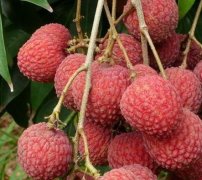
Yuhebao Lychee Management Methods and Post-Harvest Handling Points
Post-Harvest Management Practices for Yuhebao Lychee How should Yuhebao lychee be maintained after harvest? How can a good tree structure be established, and how should fertilizer be applied? Let's take a look together below. 1. Do a good job of pruning, cultivate strong fruiting branches, and establish
-

-
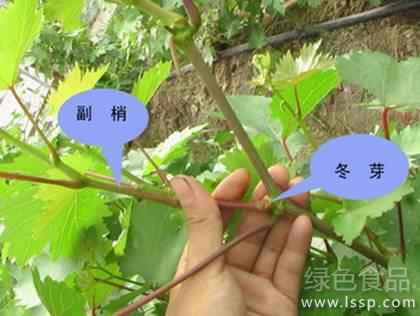
Overview of the Utilization and Handling Techniques for Grape Secondary Shoots
A Brief Overview of the Utilization and Handling Techniques for Grape Secondary Shoots
-
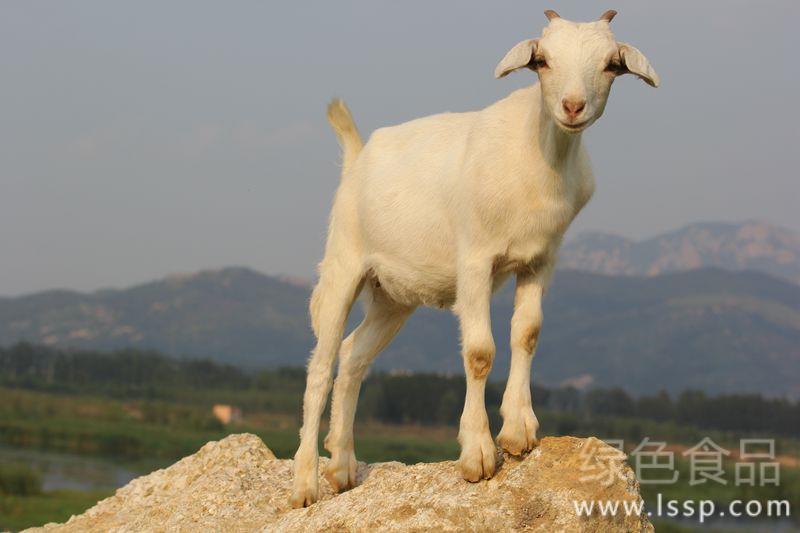
Improper handling of a suspended-animation lamb can easily lead to death; how can it be prevented and treated?
A suspended-animation lamb can easily die from improper handling; how to prevent and treat lamb suspended animation
条件筛选