-

Detailed Guide to Shark Processing Techniques: Master the Correct Handling Methods
Sharks, also called "jiao," belong to the subphylum Vertebrata, class Chondrichthyes. They are divided into the families Hexanchidae, Heterodontidae, Lamnidae, Rhincodontidae, Triakidae, Carcharhinidae, Sphyrnidae, and Squalidae. The body is spindle-shaped, and the skin bears dermal denticles resembling sandpaper, which is why they are also called "sand fish." There are 5-7 gill slits on each side, with 5 being the most common. The broadnose sevengill shark of the family Hexanchidae has 7 on each side. There are 1-2 dorsal fins, with two being the most common; the broadnose sevengill shark has one dorsal fin (located toward the rear of the body). The caudal fin is generally well developed, mostly heterocercal, and in
-
Detailed Explanation of Post-harvest Handling Techniques for Liatris
1. Main characteristics of cut flowers: The leaves deteriorate faster than the flowers. This cut flower is sensitive to gray mold. Liatris is suitable for making dried flowers. 2. Harvesting and cutting development stage: Generally harvested when about 1/2 of the florets on the upper part of the inflorescence have opened. Cut flowers harvested at the bud stage can develop and gradually open in a preservative solution. 3. Vase life: The vase life in a preservative solution is 7-12 days. 4. Preservative treatment methods (1) Pulse treatment solution: Add 200 mg of 8-hydroxy
-
Analysis of the Causes and Handling Methods of Female Mink Eating Their Kits
Every year from June to September is the main stage of growth and development for mink kits. During more than 40 years engaged in mink production, the author has found that some female mink eat their kits. Through investigation, the causes and handling methods of kit-eating are introduced as follows: 1. Poor maternal instinct and vicious habits. Once discovered, the remaining kits should immediately be removed and given to another female mink to nurse. 2. Lack of nutrition and insufficient feed. This is caused by a deficiency of certain nutritional components in the feed, such as insufficient protein content, or by an inadequate amount of feed supplied; sufficient full-price feed should be provided.
-
Quarantine Methods and Handling Measures for Swine Toxoplasmosis
Swine toxoplasmosis is a zoonotic infectious disease caused by Toxoplasma gondii. This disease is most commonly seen in pigs. Humans can contract the disease through wound contact or by eating raw meat infected with this disease. Therefore, carrying out ante-mortem quarantine and post-mortem inspection for swine toxoplasmosis at designated slaughterhouses is of vital importance for safeguarding the development of the breeding industry and human health. 1 Ante-mortem quarantine: Pigs suffering from swine toxoplasmosis show an elevated body temperature reaching 41-42°C, reduced or complete loss of appetite, runny nose, coughing or difficulty breathing, anemia, and conjunctival hyperemia.
-

-
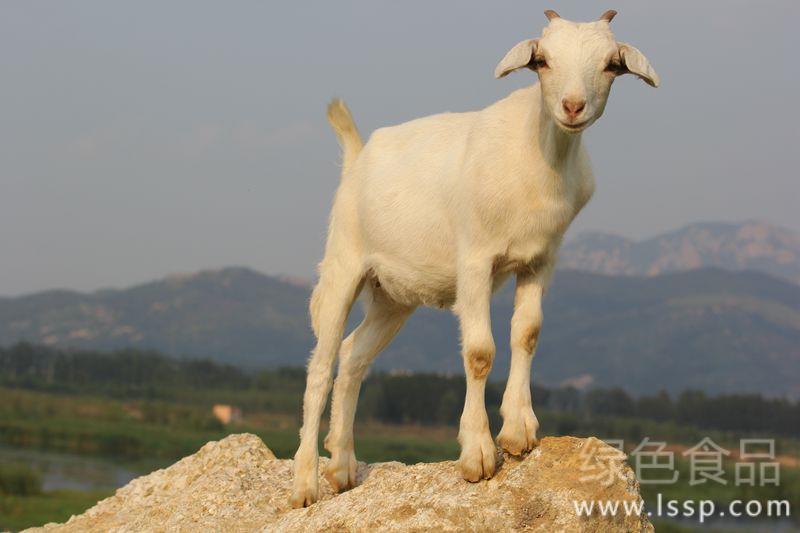
Improper handling of a suspended-animation lamb can easily lead to death; how can it be prevented and treated?
A suspended-animation lamb can easily die from improper handling; how to prevent and treat lamb suspended animation
-

What to Do About Dystocia in Sows? An Introduction to Correct Handling Methods
What to Do When a Sow Has Dystocia
-

What are the methods for handling cow manure on cattle farms?
How is cow manure handled on cattle farms?
-

What to Do When a Sow Has Difficulty Giving Birth? Teach You the Correct Handling Methods
What to Do When a Sow Has Difficulty Giving Birth
-
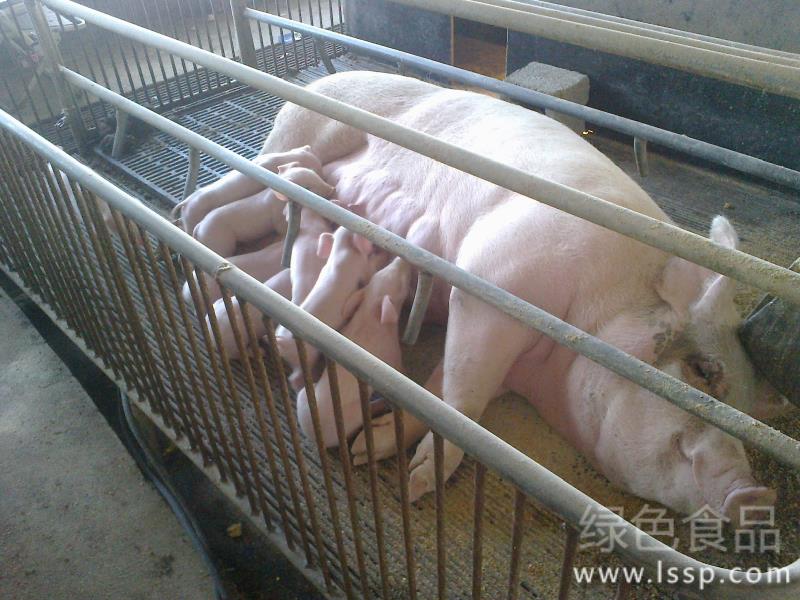
What to Do When a Sow Delays Farrowing? Detailed Explanation of Causes and Handling Methods
Analysis of the Causes of Delayed Farrowing in Sows and How to Handle It
条件筛选