-
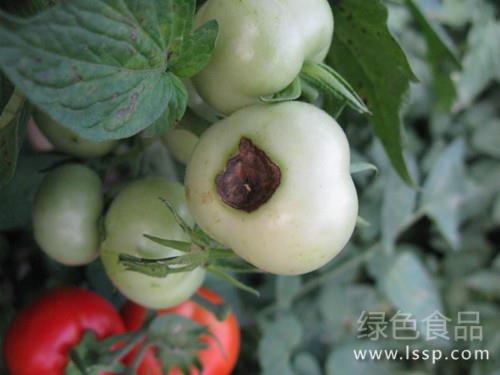
Tomato blossom end rot control methods: how to handle sunken, flattened black-brown spots at the blossom end
Sunken, flattened black-brown spots at the blossom end: control methods for tomato blossom end rot
-
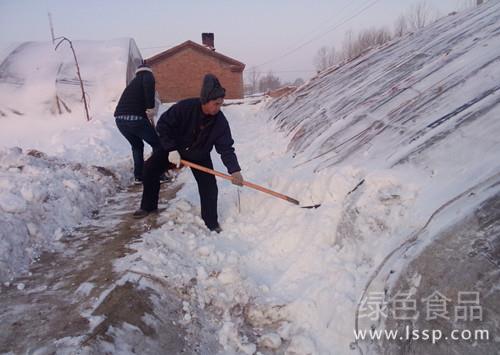
How to Handle Winter Adverse Weather for Greenhouse Vegetables
How Should Greenhouse Vegetables Cope When Various Adverse Weather Hits in Winter
-

What is the best way to handle a hyacinth after it has finished blooming?
In its native habitat, hyacinths of course bloom every year, but after arriving in China they tend to degenerate easily, so they are still imported every year. A few places in China can produce them, but the output is far from enough. Here we must guard against two notions: one is thinking they can only be used once, and the other is believing that rough, careless management will still let them bloom again. First
-
What to Do When Orchid Leaves Turn Yellow or Black? Here's the Correct Way to Handle It
What to Do When Orchid Leaves Turn Yellow or Black?
-
Lucky Bamboo Not Rooting in Water? Here's the Correct Way to Handle It
If growers find that their lucky bamboo has not rooted for a long time when grown in water, they can take it out, make a fresh 45° diagonal cut, and then place it back in water to root again. Of course, sometimes the problem may lie with the lucky bamboo plant itself, which prevents it from rooting successfully.
-
The correct way to handle a lucky bamboo that is about to die
1. Observe the root system. If a lucky bamboo has rooted normally and has been growing in a hydroponic vase for 1-2 years, its roots will show some signs of aging, so their absorption capacity weakens and they cannot supply the plant with nutrients, resulting in yellow leaves, wilting and similar symptoms. So, if we find that all the roots in the hydroponic vase have turned yellow and black and are seriously aged
-
What to Do If Your Peperomia Rotundifolia Has Root Rot? Here's the Correct Way to Handle It
You should deal with it according to how severe the root rot is. If it looks like the picture below, it can still be saved. If the root rot is severe and both the stems and leaves have rotted, there is nothing you can do. First, take the Peperomia rotundifolia out of the pot, then rinse it clean, cut off the rotted parts, then leave it in a cool, ventilated place for 1 hour until the wounds heal
-
What to do when peace lily leaves turn yellow? Teach you the correct way to handle it
Keep the care environment relatively stable and reduce the degree of environmental change; just wait for it to adapt. If the plant's roots and stems are damaged, you can place it in a cool place and let it slowly adapt. Choose suitable soil - choose acidic soil when planting, and pair it with watering in daily care. The simplest method is to water with fermented rice-washing water or rainwater
-
How to handle Amaryllis after flowering in water culture? Detailed care methods
Moving to soil culture Amaryllis water culture is very simple, but after water culture the bulb tends to shrivel and its nutrients are exhausted, making it hard to bloom the next year. So move the water-cultured Amaryllis to soil culture when the weather is warmer after flowering, apply water and fertilizer frequently to help the bulb recover its vigor, and after dormancy you can continue water culture. Pruning and care When the flowers of Amaryllis begin to fade
-
What to Do About Root Rot in Clivia? Here's the Correct Way to Handle It
First we need to remove the rotten roots: take the Clivia with rotten roots out of the pot, shake off the soil, rinse the roots clean with water, and trim away the rotted root system with scissors. If some leaves have turned yellow or gone limp, cut off the damaged leaves too.
条件筛选