-

Why Isn't Your Gynura bicolor Growing on the Balcony? Causes Explained
Gynura bicolor is fairly easy to grow, so much so that some vegetable gardeners say even a friend can grow it, and indeed it really is quite easy, but some netizens ask about their own situation, and this is mostly a soil problem. Gynura bicolor thrives in deep, moist, fertile soil rich in organic matter
-
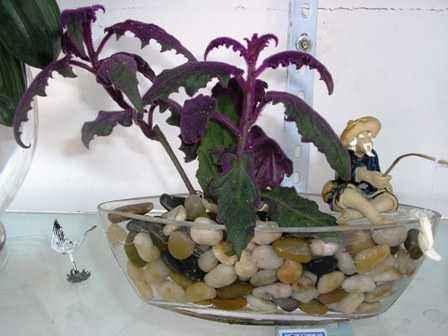
Hydroponic Methods and Daily Care Tips for Gynura aurantiaca
How to grow and care for Gynura aurantiaca hydroponically? Gynura aurantiaca, also known as purple velvet plant, is a perennial herb or subshrub of the Asteraceae family, with thick, multi-branched stems. It is named for the dense purple-red fine hairs covering its stems and leaves, which resemble velvet. 1. Hydroponic methods (1) Method one: Gynura aurantiaca...
-
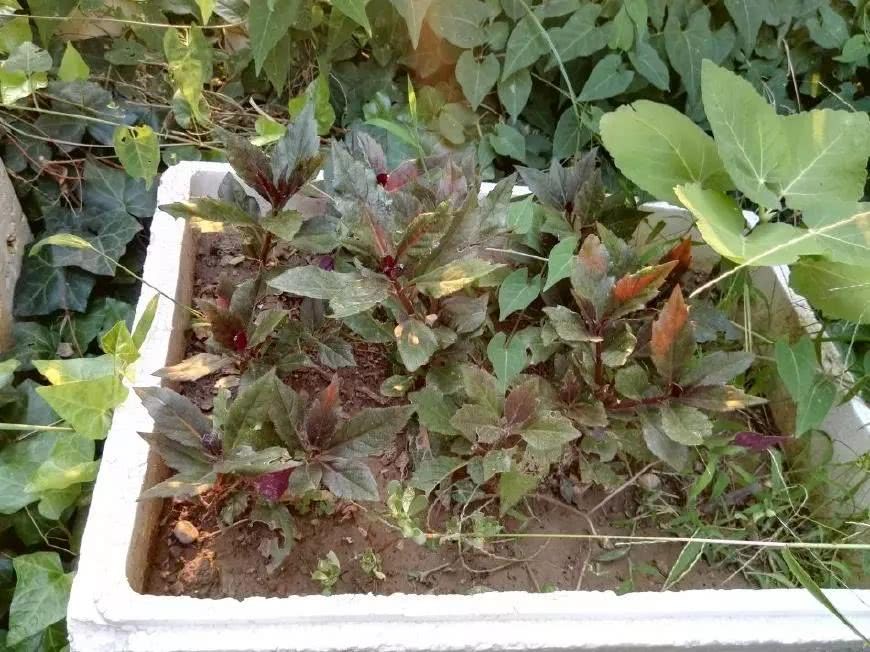
Gynura bicolor leaves are two different colors on top and bottom - this wild vegetable nourishes the blood and relieves summer heat
Disclaimer: Hemu Report aims to share and popularize information about various plants and their uses, for reference only. If medicinal use is needed, it is recommended to consult a professional physician to avoid problems! Nowadays, friends living in rural areas mostly open up a...
-
Detailed Explanation of the Introduction and Cultivation Techniques of Gynura segetum
Introduction and Cultivation of Gynura segetum
-
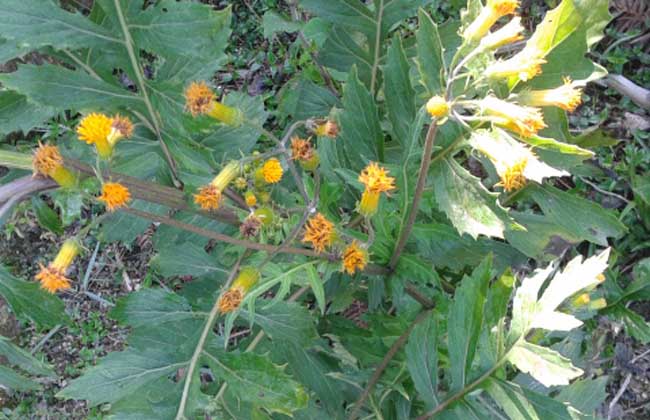
What is the difference between Gynura segetum and Panax notoginseng, and how to tell them apart?
The difference between Gynura segetum and Panax notoginseng
-
What are the benefits and effects of Gynura divaricata? A detailed guide
Anti-inflammatory: Mash Gynura divaricata into a paste and take the juice with honey to treat conjunctivitis. Heat-clearing: Decoct it with salt and drink to eliminate accumulated heat. Fever reduction: It can bring down a fever in a short time and relieve the discomfort caused by high fever. Hemostasis: Applying the mashed herb topically can shorten blood clotting time, and the wound will not become red and swollen.
-
Detailed Explanation of the Key Technical Points for Introducing and Cultivating Gynura segetum
Gynura segetum (Lour.) Merr. is a plant in the Asteraceae family, also known as Japanese gynura, white panax notoginseng, blood-dispersing herb, blood-dispersing elixir, blood-breaking elixir, blood peony, etc., and its traditional Chinese medicine name is tu san qi. Its tuberous roots or the whole plant are used medicinally, with effects such as promoting blood circulation, reducing swelling, detoxifying, dispersing blood stasis, and stopping bleeding. It is mainly used for traumatic injuries, carbuncles, sores, and ulcers, venomous snake bites, external bleeding, hematemesis, hematuria, hemafecia, functional uterine bleeding, and other conditions. It is mainly produced in Yunnan, Guizhou, Guangdong, Guangxi, and other places, and is rarely cultivated in the north.
-
What is the difference between Panax notoginseng and Gynura segetum? This article teaches you to tell them apart
Also known as red-backed sanqi, soil sanqi, and blood-breaking elixir. The source is the root of the Asteraceae plant Gynura segetum (Lour.) Merr. Plant morphology: perennial herb, 1-1.5 m tall. Stem erect, somewhat succulent, with fine longitudinal ridges. Basal leaves clustered, spoon-shaped, entire or serrate or pinnately divided, purple-green beneath; cauline leaves alternate, oblong, 10-25 cm long, 5-10 cm wide, pinnately divided, lobes ovate to lanceolate, margin shallowly
-
Can Gynura bicolor be grown in the north? Planting time, techniques and people who should avoid it
Gynura bicolor planting techniques
-

Detailed Guide to Gynura bicolor Cultivation Techniques: Master the Key Points of Cultivation and Management
Gynura bicolor Cultivation Techniques
条件筛选