Hydroponic Methods and Daily Care Tips for Gynura aurantiaca
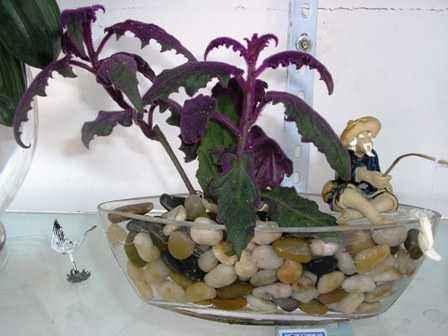
How to grow and care for Gynura aurantiaca hydroponically?
Gynura aurantiaca, also known as purple velvet plant, is a perennial herb or subshrub of the Asteraceae family, with thick, multi-branched stems. It is named for the dense purple-red fine hairs covering its stems and leaves, which resemble velvet.
1. Hydroponic methods
(1) Method one: Gynura aurantiaca can be grown hydroponically by cuttings. Select mature, healthy branches, cut them off and insert them directly into a container; they will root in 2-3 weeks. The picture shows hydroponically grown Gynura aurantiaca,
(2) Method two: You can also choose a mature Gynura aurantiaca plant with a good shape, wash the roots clean and plant it in a container. However, root rot is likely at high summer temperatures, so cuttings should be taken avoiding summer as far as possible, with spring and autumn being best [Jishan Huayao].
2. Care guide
(1) Temperature and light: The suitable temperature for Gynura aurantiaca growth is 18-25°C, and the safe overwintering temperature must not be lower than 8°C. The purple velvet plant likes plenty of sunlight, but in high summer temperatures it should be placed in partial shade; direct sunlight will cause the leaves to scorch and dry, while too much shade will cause the leaves to fade and turn green, affecting their ornamental value. (2) Fertilizing: When growing Gynura aurantiaca hydroponically, add nutrient solution when changing the water during the growing season; at other times, plain water is enough to avoid leggy growth. If you want to maintain air humidity during hot summer weather, simply mist the surroundings; do not let water collect on the leaves.
(3) Changing the water: For hydroponic Gynura aurantiaca, change the water every 2-3 days before rooting; after water roots have grown, changing the water about once every 10 days is enough.
(4) Pest and disease control: The leaves and buds of hydroponic Gynura aurantiaca are prone to aphid damage. You can wash the aphids off with soapy water, or scrape them off. After that, check at any time for signs of recurrence to avoid the pests spreading.