-

How to Grow Large Pumpkins: A Detailed Guide to the Planting Method
Land preparation: Large pumpkins should be planted in sandy soil, and before planting the land must be prepared and beds made. Hormone treatment: Before sowing, soak the seeds in ABT No. 4 yield-increasing agent at 20 ppm, rinse them clean with water, and then sprout them. Sowing: In the north, it is best to sow after Grain Rain; in the south, it is best to do so around Qingming. Management: Leave 1-2 fruits at a position two meters from the roots.
-
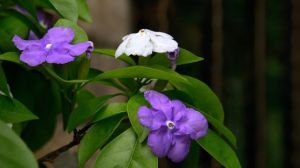
How to grow Murraya paniculata? Detailed guide to cultivation methods and precautions
When growing Murraya paniculata, use loose soil as much as possible, give it plenty of light every day, and fertilize once each in spring and autumn; do not apply nitrogen fertilizer on its own. Propagation is mostly done by cuttings, and common pests and diseases should also be prevented and controlled, spraying with pesticide as soon as they are found.
-
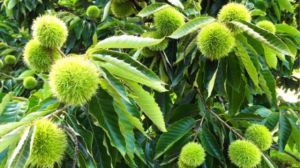
How to Grow Chestnut Trees: A Detailed Guide to Planting Methods and Key Techniques
To grow chestnut trees, use loose-textured, well-draining soil, give them plenty of sunlight during the growing period, and provide a growing environment of 10-20°C. Water promptly after harvest to supply the moisture they need. Propagation is generally done by sowing seeds or grafting.
-

A Detailed Guide to Walnut Tree Pruning Techniques and Methods
Walnut tree pruning should generally be carried out during the growing season. Part of the one-year-old branches should be cut off, and the extension shoots of the side branches should also be cut off. Overly dense branches should be pruned appropriately, and pruning can be done from the base of the branch. In addition, crossing branches and overlapping branches should all be cut off. When water sprouts emerge, they should be cut off promptly.
-
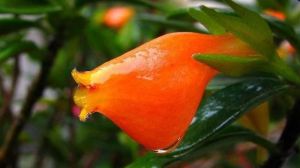
How to grow goldfish plant? Detailed guide to cultivation methods and precautions
Soil: To grow goldfish plant, it is best to use a breathable, well-draining sandy soil. Water: During the vigorous growth period, it needs sufficient water, and the soil must be kept moist at all times. Temperature: Give it a growing environment of 16-26°C, and in winter the temperature should not drop below 5°C. Fertilizing: Apply diluted cake fertilizer water 1-2 times every month. After the flowering period, prune off diseased and weak branches.
-
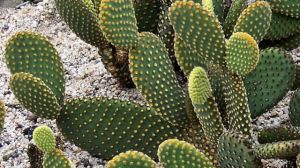
How to grow Mammillaria elongata? Detailed guide to cultivation methods and precautions
Soil: To grow Mammillaria elongata, use loose, well-aerated soil. Water: Wait until the soil has dried out completely before watering, and water thoroughly in one go. Temperature: Give it a growing environment of 20-35°C, and do not let the temperature drop below 5°C in winter. Fertilizing: In the early stage of growth, apply a granular fertilizer once every 7-10 days.
-

How to Grow Bougainvillea? A Complete Guide to Care Methods
Soil: The soil for growing bougainvillea can be made by mixing leaf mold, garden soil and sand at a ratio of 4:4:2; Light: It needs plenty of light during the growing season, and at least 8 hours of light in winter; Temperature: 15-30°C, not lower than 5°C in winter; Water: Do not water until the soil is dry, and water thoroughly when you do, begin restricting water from September; Fertilizing: Fertilize once every half month during the flowering period.
-

When Do Azaleas Bloom? A Detailed Guide to Their Blooming Period
The blooming period of azaleas varies depending on the variety and the growing environment. Generally speaking, East Azaleas bloom around New Year's Day, while West Azaleas bloom around the Spring Festival. The main blooming period of the Four-Season Azalea is around the Spring Festival; beyond that, as long as it is cared for properly and the environment is suitable, it can also bloom at other times.
-
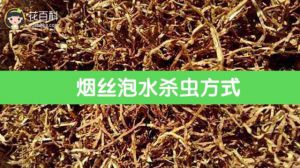
Tobacco shreds soaked in water can kill pests: a detailed guide to the correct method
First, prepare a cigarette that has not been smoked, peel out the tobacco shreds and put them into a clean bottle. Then add 10 or 20 times the volume of clean water and let it sit for 8 hours. After that, filter out the tobacco shreds, pour the filtrate into a spray bottle, and spray it directly on the places where the pests are.
-
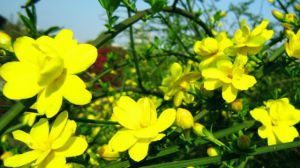
What to Do If Winter Jasmine Has Root Rot? Detailed Guide to the Correct Treatment
There are many causes of root rot in winter jasmine (Jasminum nudiflorum): if it is caused by overwatering, place it in a well-ventilated spot and keep the amount of water under control going forward. If it is caused by not changing the soil for a long time, then replace it with clean soil. If it is caused by a disease, then spray a dedicated fungicide for prevention and control, ensure proper ventilation, and boost its disease resistance.
条件筛选