-
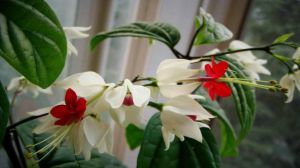
How to Propagate Bleeding Glory-Bower from Seeds? A Detailed Guide to Sowing Methods
Sowing bleeding glory-bower (Clerodendrum thomsoniae) seeds in spring makes it easier for them to survive. Before sowing, soak the seeds for 12 hours, remove them and let them dry, then sow them by the dibbling method, cover with a thin layer of soil, and place them in an environment of 20-25°C; in about 10 days, small seedlings will emerge. Care must be done properly, and they can only be potted up once they reach 10 cm tall.
-
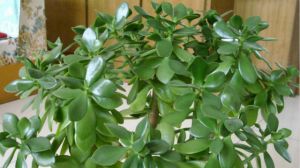
How to prune a jade plant (Crassula ovata)? A detailed guide to the correct pruning method
When pruning a jade plant, choose suitable pruning tools to prevent the plant from being infected by pathogens. During pruning, note that branches that are too thin and branches with wounds must not be cut, otherwise they will wither and die from lack of water. After pruning, wait until the wounds have dried before watering moderately. In addition, note that it is better to prune late than to prune early.
-
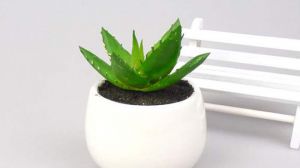
How to Grow Aloe Vera: A Detailed Guide to Daily Care Methods and Key Points
Soil: Choose a loose, well-draining sandy soil. Light: It loves sunlight very much and needs full-sun cultivation. Humidity: Excessive humidity causes black spots, which can be treated by spraying with a fungicide such as thiophanate-methyl. Fertilizer: It does not need much fertilizer; mix organic fertilizer into the soil when repotting.
-
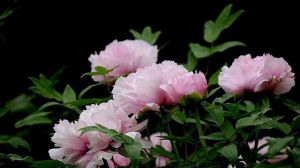
How to grow peonies? Detailed guide to cultivation methods and techniques
Light: plenty of light but no direct sunlight. Temperature: fairly cold-hardy but afraid of high heat; once temperatures rise above 25 degrees, it enters a dormant state. Soil: requires well-drained, deep neutral or slightly alkaline soil. Water and fertilizer: manage two key waterings well. Pruning: promptly prune spent flowers and small bottom shoots.
-
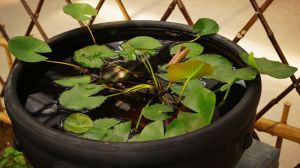
How to grow water lilies? Detailed guide to cultivation methods and precautions
Water flow: Water lilies prefer still water and dislike fast-flowing water. Soil: Choose river mud or field mud rich in sapropel. Filling with water: Fill so that the water just barely covers the soil surface, then gradually raise the water level later. Care: Make sure they are kept in full-light conditions.
-
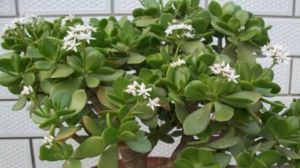
What is the difference between Crassula rupestris and Crassula ovata? A quick guide to tell them apart
There are major differences between Crassula rupestris and Crassula ovata. Their leaves and stems differ, such as whether the leaves have red edges, leaf size, and how soft or hard the stems are. There is also a difference in toxicity: Crassula rupestris itself is not toxic, but it is best not to touch its sap; Crassula ovata contains many toxins, and its sap should not be touched either, otherwise it can cause blisters and itching.
-
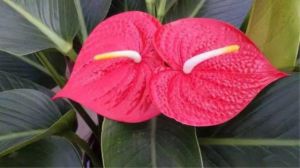
Can Anthurium Be Placed in the Bedroom? A Guide to Indoor Placement Precautions
Anthurium can be placed in the bedroom, but at night it releases a lot of carbon dioxide, which is not good for sleep, so at night try to move it to another place indoors. In addition, it is slightly toxic, but as long as you do not eat it by mistake there is no problem. When pruning, be careful to wear gloves, and wash your hands promptly after pruning.
-

How to grow yardlong beans for high yield? A detailed guide to cultivation methods
High-yield cultivation methods for yardlong beans
-

Detailed Guide to the Production Techniques and Cultivation Methods of Caragana Bonsai
Caragana gets its name because its golden-yellow flowers resemble a sparrow about to spread its wings in flight. It also has other aliases such as peashrub, Feilai Feng, Qun Que, and Baopi Bian, and is a deciduous small shrub in the genus Caragana of the Fabaceae family. The plant is about 1.5 m tall, with an iron-black-brown trunk that grows upright in clusters, slender small branches that are yellow-brown or gray, and long branches that droop as they grow
-
How to Make a Chinese Hackberry Bonsai? A Complete Guide to the Basics
(1) Botanical Knowledge Belongs to the elm family (Ulmaceae), genus Celtis. A deciduous tree with rough, grayish-black bark that does not crack. Leaves are simple and alternate, ovate-oblong or broadly ovate, with an oblique base, 3 main veins, and serrated margins above the middle; the upper surface is dark green and the underside pale green. Flowers are polygamous on the same tree; male flowers grow on the lower part of new shoots
条件筛选