What is the difference between Crassula rupestris and Crassula ovata? A quick guide to tell them apart
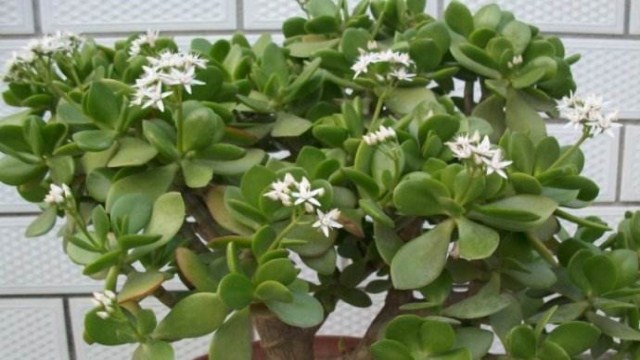
1. Differences in leaves and stems
1. Whether the leaves have red edges: The leaves of Crassula rupestris have red edges. Usually after exposure to sunlight, a ring of red appears along the leaf edges, greatly increasing the ornamental value of the leaves. But the leaves of Crassula ovata do not have red edges; their leaf color is grayish green. Compared this way, the two are still quite easy to tell apart.
2. Leaf size: After careful observation, you will find that the leaves of Crassula rupestris are a bit larger, but this difference is not very easy to see, because their leaves look so much alike that only experienced plant enthusiasts can spot it.
3. Stem softness and hardness: The stems of Crassula rupestris are usually relatively soft, while those of Crassula ovata are very hard. To distinguish this point, you need to use touch; you can appropriately press or pinch their stems with your hand. If it is especially soft, it is Crassula rupestris; if it is especially hard, it is Crassula ovata.
2. Differences in toxicity between the two
1. Crassula rupestris: Most people say that it and Crassula ovata are both toxic, but some people believe this claim is wrong. Crassula rupestris is actually also called fleshy Rohdea japonica, and because this plant is toxic, it is often mistakenly believed to be toxic. In fact, it is not toxic.
2. Crassula ovata: Many people say that Crassula ovata contains a large amount of toxins. If the skin accidentally touches its sap, the skin will become painful and itchy; if it accidentally gets into the eyes, it may even cause blindness. But some people also say it is not toxic. In short, whether or not the two are truly toxic, do not touch their sap.