-
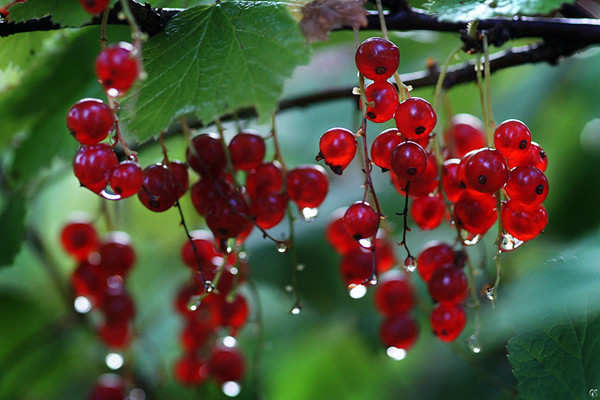
Gooseberry Growing Methods and How Much the Fruit Costs per Jin
Gooseberry is a plant, and many people absolutely love this gooseberry. How do you grow gooseberry? How much does gooseberry fruit cost per jin: How to grow gooseberry: Soil selection, gooseberry likes neutral to slightly acidic soil, loose and fertile soil, appropriately increase humus
-
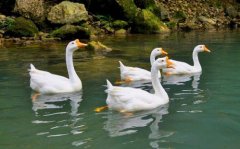
Are Zhejiang East White geese easy to raise? A detailed guide to breeding goose selection methods
Are Zhejiang East White geese easy to raise? They are quite easy to raise. The Zhejiang East White goose is an excellent goose breed, known for its delicious meat and fast early growth. So how should Zhejiang East White geese be selected for breeding? Do you know? Let's take a look together. Breeding geese can pass on their
-

Integrated fish-and-goose farming model boosts farmers' income by 30 percent
Mixed farming of fish and geese is, for fishermen, a scientific farming model with "ten benefits and not a single drawback." This model makes full use of water surface and land resources, and under the same conditions increases economic returns by up to 30% compared with raising fish or geese alone, making it an effective new path to prosperity for fishermen. Advantages of integrated fish-and-goose farming: geese are fully automatic, energy-saving and highly efficient aerators for fish ponds. When fish and geese are raised together, farmers need not worry about oxygen depletion in the water caused by weather changes, because in low-pressure weather geese will rush to jump into the water, bathe and chase each other, churning up the water
-
What are the common diseases of geese? Goose farmers should know them in advance
1 Infectious diseases 1.1 Gosling plague is an acute septicemic infectious disease of goslings. Affected geese are depressed, have complete loss of appetite, severe diarrhea, and sometimes show neurological symptoms. This disease mainly affects goslings aged 4 to 20 days. In the early stage of illness, appetite decreases, the bird is listless, the neck is drawn in, the feathers are fluffy, it stays apart from the flock, and walking is difficult; then appetite is completely lost, severe diarrhea occurs, and thin droppings mixed with bubbles or watery yellow-white or yellow-green feces are passed; nasal secretions increase, the head is shaken, fluid is flung from the corners of the mouth, and the beak and webs become cyanotic. Prevention is mainly disinfection
-
Methods and Precautions for Collecting Goose Down and Feathers
I. Plucking Feathers from the Carcass: This means collecting all the goose down and feathers at once after slaughter, and it is further divided into three collection methods: hot-water scalding, steam plucking, and dry plucking. The hot-water scalding method is also called the immersion scalding method or the scalding-and-de-feathering method. After the goose is slaughtered, collect the blood and drain it as thoroughly as possible to ensure the quality of the goose carcass and internal organs, leaving no residual blood in the carcass, keeping the body surface clean and attractive, and ensuring good meat quality. It is best to pluck the large quills from both wings (tip quills, knife quills, and fluff quills) before scalding and store and sell them separately. Otherwise, if mixed into the feathers, they will not only affect down quality but will also be treated as waste and wasted.
-
Practical Comprehensive Prevention and Treatment Techniques for Goose Cholera Explained
Goose cholera is on the rise in China, and many farmers neglect prevention and treatment, resulting in serious losses. The disease is an acute septicemic infectious disease caused by Pasteurella multocida; it occurs mostly in winter and spring, affects adult geese more than young geese, and when prevention and treatment are not timely the mortality rate is 80%-95% or more, with devastating losses being not uncommon. Damp, dark and crowded goose houses, sudden climate changes, vitamin deficiency, malnutrition, and internal and external parasitic infections can all trigger the disease. I. Epidemiology and Symptoms This disease is a common infectious disease of chickens, ducks, geese, poultry and birds.
-
Prevention and Control Methods and Technical Key Points for Goose Influenza
This disease is a widespread acute, respiratory and septicemic infectious disease, occurring mainly in winter and spring. Goslings weighing around 500 g are most susceptible (adult geese are less commonly affected), and in severe cases the morbidity and mortality rates reach 80-90%. Sudden climate changes, excessive temperature differences in the goose house, long-distance transport and poor feeding management can all lead to the occurrence of this disease. The disease is transmitted mainly through the respiratory tract, and contaminated feed and drinking water can also spread it. 1. Symptoms The main feature of sick geese is difficulty breathing, with large amounts of serous discharge flowing from the nostrils
-
The Rhine goose is a new breed in goose farming.
The Rhine goose originated in the Rhineland region of Germany. In 1999, the relevant department of Jilin Province began introducing 3000 sets of parent-stock Rhine breeding geese from abroad, and the promotion situation is currently good. The Rhine goose has a relatively large body size; generally, the weight of an adult male goose is 5-6 kg, and that of an adult female goose is 4.5-5.5 kg; it gains weight quickly, and at 8 weeks of age the goose's weight can reach about 4.3 kg; the meat quality is relatively good; it has strong adaptability, and whether in the cold north or the hot south, it grows very well.
-
Breed Introduction: The Landaise Goose
Currently the best liver-type breed for foie gras production abroad, originating from the Landes province in western France; Hungary also raises a considerable number today. China introduced the Landaise goose from France twice, in 1979 and 1986. The plumage of this goose is mainly grayish-brown, with the feathers on the neck and back darker, approaching black, the chest feathers gradually becoming lighter and taking on a silver-gray tone, and the belly feathers milky white. The Landaise goose has a large body, a broad back and deep chest, a pendulous abdomen, an inconspicuous knob on the head, a pointed and short beak, a pharyngeal pouch on the upper neck, a thick and short neck, and slightly curled neck feathers.
-
Introduction to the Types and Usage of Goose Vaccines (Bacterins)
1. Gosling Plague Gosling Vaccine This product uses the attenuated gosling plague virus strain obtained through multiple passages in goose embryos. It is prepared by inoculating 12-14 day old goose embryos, harvesting the infected goose embryo allantoic fluid, adding an appropriate amount of protective agent, and freeze-vacuum drying. Characteristics: Milky white spongy loose mass, dissolves rapidly after adding diluent. Use: For the prevention of gosling plague in goslings. Dosage and administration: This vaccine is suitable for emergency preventive inoculation of goslings from unimmunized breeding geese or goslings that have reached 7-8 hatches or more after breeding geese immunization. When using, follow the dosage indicated on the bottle label,
条件筛选