-

How to repot a fuchsia? Mastering the correct method is key
The best time to repot is in spring or autumn before the buds sprout. The choice of substrate should follow basic requirements such as fertility and looseness. You can use leaf mold mixed with sandy loam, and you can mix in some organic fertilizer and phosphorus fertilizer. Right after repotting, the plant needs a period of recovery. Begin normal fertilizing, and place it in a spot with plenty of light.
-

Can Fuchsia be grown hydroponically? A detailed guide to hydroponic growing methods
Fuchsia can be grown hydroponically. Moreover, if cared for well, it can also grow very well. When growing hydroponically, change the water frequently, and you can also add nutrient solution; pay attention to keeping the water clean and hygienic to avoid water contamination. During care, place it in a ventilated and shady spot, and make sure it gets sufficient light.
-
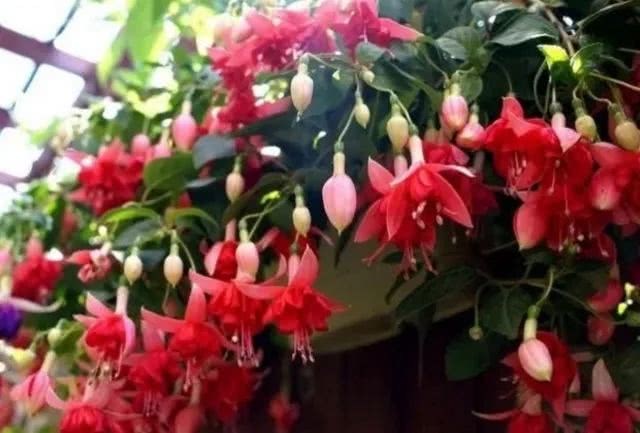
Fuchsia has a flowering period of up to eight months, and it can still burst into a full pot even in poor light
Not every home has a balcony with particularly good light. So what can families who love flowering plants but have poor light do? There is a kind of flower that can still bloom in a full pot even in poor light. It is this spring-exclusive variety...
-
Fuchsia can't make it through summer? Grow it this way and it will bloom nonstop all year round
Follow the gardening site to get more gardening tips! The fuchsia has one very notable trait: it grows extremely fast, and its flowers have a very special shape, unique and beautiful, making a lush and abundantly blooming potted plant. But fuch...
-
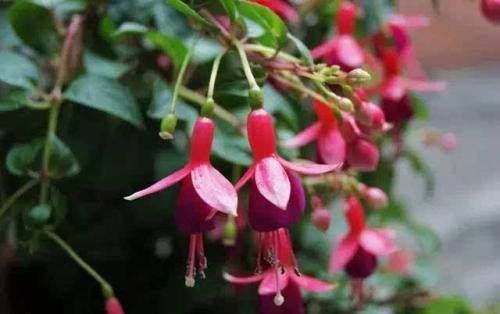
Fuchsia potted plants are delicate and hard to grow, and the summer care method is the key
The fuchsia's flower shape is as unique as its name, with blooms that look like lanterns, carrying the meaning of good fortune and prosperity, and are extremely elegant. Potted plants can be used to decorate balconies, windowsides, studies and bedrooms, and can also be hung on security grilles, corridors and trellises...
-
Fuchsia potted cultivation methods: summer care is key
The fuchsia has a flower shape as peculiar as its name, resembling a lantern, carrying the meaning of good fortune and prosperity, and is extremely elegant. Potted cultivation can be used to decorate balconies, windowsides, studies and bedrooms, and can also be hung on security grilles and pergolas...
-
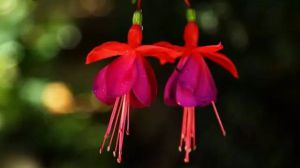
How to grow fuchsia? Detailed guide to cultivation methods and precautions
Soil: Use loose, well-draining soil. Fertilizing: Apply fertilizer once every 7-10 days during the growing season. Watering: Control the amount of water well, and always keep the potting soil moist. Temperature: The summer temperature should be 15-25°C, and the winter temperature should be 10°C. Light: It should not be too intense; when the summer temperature is high, shade it appropriately.
-

How to grow fuchsia? A complete guide to care methods
To grow fuchsia, provide loose, fertile soil with good drainage; during the growing period, apply a fertilizer containing nitrogen and phosphorus once every ten days; keep the soil moist during the growing period, and control watering during the flowering period. The temperature is best at 15 to 25 degrees; light should not be too strong, scattered light is enough. In addition, repot in spring and loosen the soil appropriately.
-

Fuchsia isn't football, but its blooms are even better than a match
Bicycle kick Ming Ming Su Yunying 00:00/03:17 ...
-

Reasons Why Fuchsia Does Not Bloom and Solutions
There are many reasons why fuchsia does not bloom: if it is caused by insufficient light, then give it more light. If it is caused by insufficient fertilization, then give it a top dressing. If it is caused by improper watering, then watering must be controlled well. If it is because there has been no pruning and pinching back, then pay attention to its growth condition and prune and pinch back in time.
条件筛选