-

What are the precautions before fish farming
1. Diversify the shape of fish ponds: Fish ponds are often rectangular or dug-pond style, so as to give full play to the three-dimensional benefits of the aquaculture water body. The area of a single fish pond is generally about 0.067 hectares (mu, the same below), the pond depth is 2.5-3 m, the length-to-width ratio is 5:3, and the side slope coefficient is 2-3. In construction and shaping, it is possible to start with the easy and then the difficult, and build some transitional fish ponds, such as "concentric"-shaped, high-low type, "grid"-shaped, "field"-shaped and other shapes, among which the "concentric"-shaped fish pond is the most ideal transitional fish pond. 2. Promptly provide a matching irrigation and drainage system: requirements
-
Detailed Explanation of Silverfish Processing Technology and Key Operational Points
Through processing, silverfish can be turned into high-quality fish products that sell well in domestic and international markets, increasing the value of silverfish and thereby enabling the fishery to achieve high economic returns. Therefore, processing is an important component of silverfish and the fishery industry. Because silverfish have a relatively high protein content, the catch spoils easily, requiring that ice be used to keep it fresh during the purchasing and processing stages. At present, silverfish products in China are mainly processed according to export standards into packaging units of 1000 grams, and there are also domestic-sale products processed into 500-gram, 250-gram, and 1
-
How to Identify the Quality of Fish Fry? An Introduction to Practical Methods
Fish farmers have accumulated a wealth of experience in practice, among which the methods for identifying the quality of fish fry are both simple and practical, and are worth learning by farmers everywhere. The first is to directly observe and assess the fish's body condition with the naked eye. Superior fish fry: fry of the same age and same species are uniform in size, with small heads and thick backs, bright body color, moist and glossy skin, and no parasites. They swim actively, gather in schools, have a strong ability to swim against the current, and react quickly when startled; whereas inferior fish fry are uneven in size, with large heads and narrow backs, thin tail stalks, dull body color, and injured body surfaces or parasites. They swim
-
Fermented Drunken Fish
The method of fermentation in distillers' grains is quite widespread and is fairly common in the Zhejiang region. This is a traditional tasty preservation method; meats, poultry eggs and fish can all be processed into fermented foods. The processing of fermented aquatic products can be divided into two stages: salting and dehydration, and storage in seasoning. Salting and dehydration generally adopts a short period of light salting, followed by moderate drying. The purpose is to initially achieve a bactericidal and bacteriostatic effect and to impart a certain saltiness, which creates favorable conditions for further enhancing the flavor. The materials for storage in seasoning are mainly distillers' grains and other
-
Detailed Explanation of the Processing Method for Liquid Fish Protein Feed
Liquid fish protein feed is made from waste or low-value fish from aquatic product processing, which is minced or ground, then mixed with a certain amount of acid or fermented with microorganisms; through the autolysis produced by the fish's own enzymes, it is liquefied into a slurry product. Because this protein feed has good storage resistance, some people also call it acid-preserved feed. Lactic acid bacteria fermentation method (molasses fermentation). Natural lactic acid bacteria fermentation: mince raw fish with no pollution source or disease, add molasses or sugarcane sugar-processing
-
How to prevent and control fish helminthiasis? Detailed explanation of prevention and control methods
Fish diseases caused by some species of flatworms, roundworms, and segmented worms are called fish helminthiasis, such as: dactylogyriasis, gyrodactyliasis, diplostomiasis, ligulosis, etc. Prevention and control methods: 1. Spread 0.65-0.7 microliters/liter of crystal trichlorfon over the whole pond. 2. Use quicklime to thoroughly clear the pond and kill snails. In fry and fingerling rearing ponds, copper sulfate can be spread to make the pond water 0.7 microliters/liter, and after an interval of 12-24 hours, spread it again at the same concentration.
-
How to make shredded fish with red yeast rice paste, learn it easily in a few simple steps
Ingredients/seasonings: 1 snakehead fish (about 1500 g). 100 g green vegetables. 15 g shredded scallion white, 10 g shredded ginger, 1 g pepper, 5 g Shaoxing wine, 4 g fine salt, 3 g MSG, 60 g white broth, 2 egg whites, 40 g wet starch, 50 g red wine lees, 750 g salad oil (about 75 g consumed). Preparation process: 1. Slaughter the snakehead, wash it, remove the two fillets from the left and right sides, skin them and cut into 9 cm long shreds, put them in a bowl, add 2 g fine salt, egg whites, 10 g Shaoxing wine
-
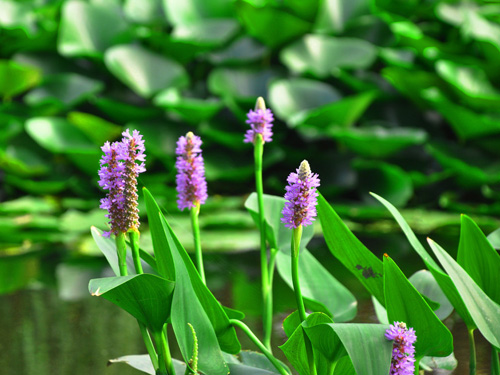
Is aquarium water good for watering flowers? Water from goldfish and tropical fish tanks both work
Fish tank water can be used directly for watering flowers. Not only is the water temperature close to the air temperature, but the water is also soft, high in nutrients, and high in air content. Water from a fish basin exposed directly to the open air differs little from natural air temperature, and some nutrients decompose quickly; water from an aquarium has less air content and a large temperature difference from natural air temperature
-

How to Grow the Goldfish Plant: A Detailed Guide to the Key Cultivation Techniques
A reader asked about goldfish plant cultivation techniques and how to grow the goldfish plant. Based on my years of experience growing flowers, I will now explain in detail how to grow the goldfish plant. The goldfish plant originates from tropical regions and prefers a warm, humid, shade-loving environment. For home care, it can be placed in a spot with bright, indirect light.
-
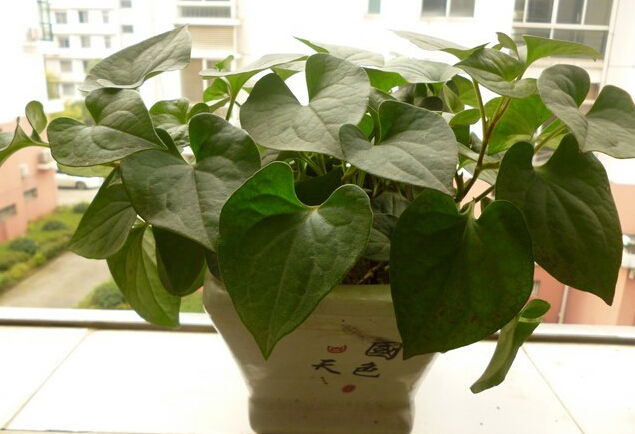
What are the cultivation methods and precautions for Houttuynia cordata (fish mint)
The seed germination rate is not high; germination is best at an alternating temperature of 17-25°C, with a germination rate of about 20%. Propagation by division, cuttings and rhizomes is all possible. Division propagation is done from late March to April: dig out the mother plant, divide it and transplant the divisions into a sandy soil seedbed to raise seedlings, or transplant them directly. Cuttings can be taken in spring and summer
条件筛选