-
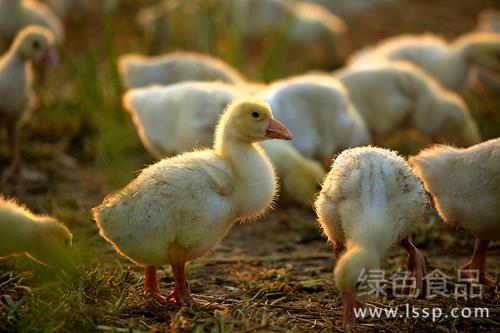
Five points to note in winter fattening of goslings: breed selection, temperature, humidity, first feeding, and disease prevention
Breed selection, temperature, humidity, first feeding, and disease prevention: five points to note in winter fattening of goslings
-
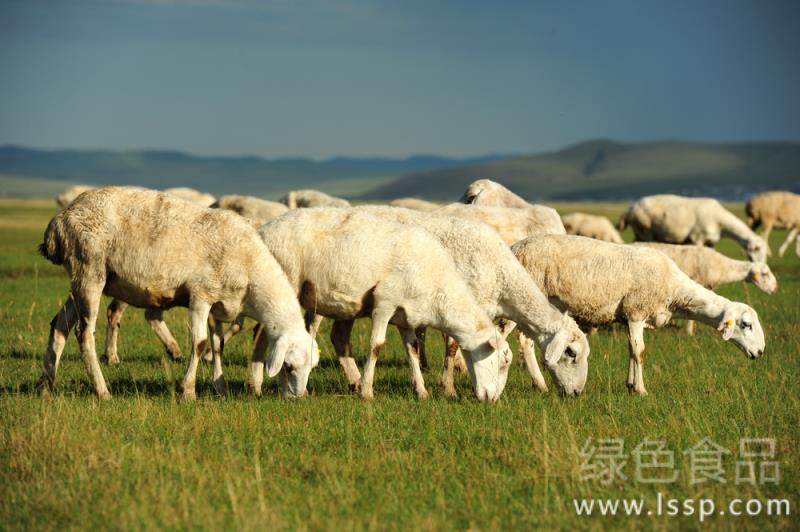
What to Do If a Sheep Swallows a Plastic Bag by Mistake? Detailed First Aid Treatment Methods
First Aid Measures After a Sheep Swallows a Plastic Bag by Mistake
-

What to Do About a Falsely Dead Piglet? Causes and First Aid Methods Explained
Causes of and First Aid Methods for Falsely Dead Piglets
-

What to pay attention to when raising rabbits for the first time
Points to note when raising rabbits for the first time
-

What are the national first-class protected animals? A complete list at a glance
What are the national first-class protected animals?
-
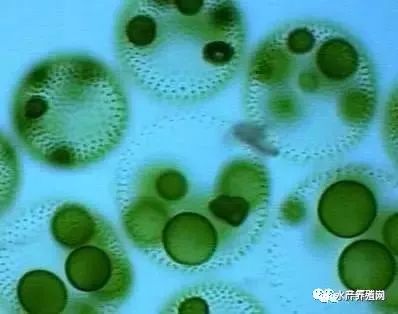
To raise crayfish, first raise the water. What kind of water counts as good water?
Without good water, it is very difficult to raise crayfish well. What kind of water is truly good water?
-

Prevention and control of infectious diseases in pigs: management comes first
The new pig diseases that have emerged force us to re-evaluate existing production systems. If there is no vaccine, improved management methods must be used to control the disease; even with a vaccine, control may still fail without management. This article provides some basic methods to help pig farms adopt suitable approaches to control infectious diseases according to their own situations. The goal of disease control must be clear: the goal is to "control" the disease, not yet to eradicate it. Overall, control measures usually reduce the pig population in a reasonable way to cut off
-
How to raise first-time mother pigs? Master these breeding secrets
1. Nutritional regulation during the growing period. For young sows (two-way crossbreeds), starting from 30 kg body weight, each kg of compound feed in the diet should contain 13 megajoules, 16% crude protein, 0.8% lysine, 0.75% calcium, and 0.65% phosphorus; do not restrict feed intake, and let them eat as much as possible. Starting from 45 kg body weight, increase the calcium and phosphorus content by 0.1% each. At 150 days of age, when the young sow weighs about 80 kg, control feed intake to 2.3 kg to 2.5 kg per day. For native-breed young sows, the calculated body weight should be 2 kg to 3 kg less.
-
What to Do About Phenol Poisoning in Dogs? Emergency First Aid Basics, Part Two
Phenol-based preparations are widely used in public health disinfection and in veterinary clinical work, with common preparations including carbolic acid, Lysol, guaiacol, xylene and others. As a corrosive agent and sterilizing agent, phenol can be used to disinfect floors, kennels and large feeding utensils; if a dog licks and ingests a certain amount, poisoning symptoms will appear. Phenol preparations can cause damage to the nervous system. Skin in contact with phenol preparations becomes red and exudes fluid. The affected dog is listless, vomits, has tonic convulsions and paralysis. During treatment, the local skin should be washed clean with water, then use 10% ethanol
-
The prerequisite for raising mink well is to first get the water quality right.
Ensuring water quality at a mink farm is the foundation for raising mink well. The water quality standard is based on the metabolism within the mink's body and the water content requirements of the products, and mainly covers the following aspects. 1. Cleanliness: clean drinking water has a turbidity below 3 and looks clear and transparent to the naked eye, with no impurities. If there are algae, mud, sand, or fine particles, the water will become turbid, which not only increases the specific gravity but may also breed bacteria and produce toxic and harmful substances. Therefore, selective treatment measures must be used, or the water must be boiled and filtered to remove residue before it can be used for @#@251@#@.
条件筛选